Heat Pump vs. Furnace for Winters: Which Saves You More?
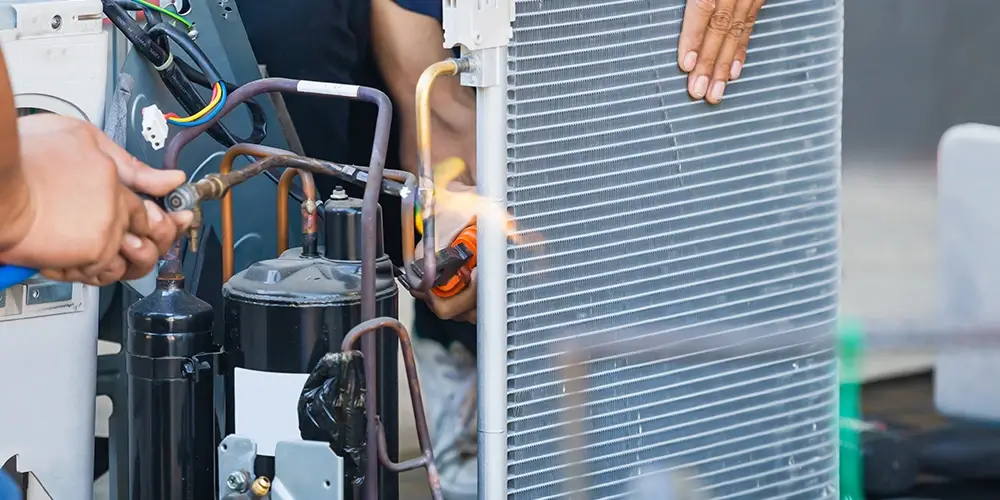
Durham winters are not the brutal, deep-freeze type you see further north. But they are cold enough to matter and warm enough in shoulder seasons to make your heating choice a real financial decision. Homeowners replacing aging systems often face the same question – heat pump or furnace? The right answer depends on how your home is built, how you use energy, and what you want your monthly bills to look like over the next decade.
This is not a simple comparison. Both systems work well in the right conditions. The difference lies in the details.
How Each System Actually Works
A furnace burns fuel – gas or oil – to generate heat. It pushes that warm air through your ductwork and into each room. It is a direct, high-output heating method that works reliably even when temperatures drop below freezing.
A heat pump does not generate heat. It moves heat from outside air into your home. In summer, it reverses and pulls heat from inside to cool your space. One system handles both seasons, which is part of what makes it attractive in climates like Durham’s.
Where Heat Pumps Win in Durham’s Climate

Durham sits in a climate zone where winters are relatively mild compared to northern states. Temperatures rarely stay below freezing for extended stretches. That matters because heat pumps operate most efficiently when outdoor temperatures stay above 35 to 40 degrees Fahrenheit.
Heating installation service for heat pumps in this region makes strong financial sense when:
- Your home is well-insulated and sealed
- You are replacing an older electric resistance system
- You want one system to handle both heating and cooling
- You are interested in qualifying for federal energy efficiency tax credits
Hays Heating and Air Conditioning helps homeowners determine eligibility for Energy Star program credits, which can offset a significant portion of upfront installation costs.
Where Furnaces Still Make More Sense

Furnaces are the better option in specific circumstances. If your home has existing gas infrastructure, switching to a heat pump means new electrical panel upgrades and higher installation costs. For homes with older or leaky ductwork, a high-output gas furnace compensates for heat loss more reliably.
Furnaces also produce hotter air. If your household includes elderly residents or young children who are sensitive to cooler air delivery temperatures, a furnace provides more immediate warmth.
A furnace may be the right call when:
- Natural gas is already connected and cost-effective in your area
- Your home has significant insulation gaps that are not being addressed
- You experience frequent overnight lows below 20 degrees Fahrenheit
- Your ductwork is already sized for high-volume air delivery
What Hays HVAC Considers Before Making a Recommendation
A responsible HVAC contractor does not default to one system type. For instance, Hay’s Heating and Air Conditioning performs load calculations, reviews the home’s current ductwork condition, factors in utility costs, and considers the homeowner’s long-term financial goals before recommending a direction.
The brand partnership with Trane means access to high-efficiency heat pumps and furnaces across a wide range of specifications. Whether you are building new or replacing an older system, the recommendation is based on your home’s actual needs, not on what is easiest to install.
Long-Term Cost Comparison
Over a 10-year period, a heat pump typically delivers lower operating costs in a Durham climate due to its efficiency at moderate temperatures. However, the upfront installation cost can be higher, especially if electrical upgrades are required.
A gas furnace has lower upfront costs in many cases, but it depends on gas prices staying stable. In recent years, gas price volatility has shifted some of that calculation toward heat pumps for budget-conscious homeowners.
The honest answer is that both systems can save you money when matched correctly to your home.
What Hays HVAC Considers Before Recommending a System
A reliable HVAC contractor does not push one system over another. Companies like Hay’s Heating and Air Conditioning take a practical approach. They run load calculations, inspect ductwork, evaluate local utility costs, and factor in your long-term budget before making a recommendation.
Their partnership with Trane gives access to a wide range of high-efficiency furnaces and heat pumps. The focus stays on what fits your home best, not what is easiest to install.
FAQ
Q: Can a heat pump handle Durham winters without a backup system?
A: Most modern heat pumps include an auxiliary electric strip heater that activates during the coldest days, so yes, they are fully capable of heating a Durham home through winter.
Q: Is a dual-fuel system worth considering in Durham?
A: A dual-fuel system pairs a heat pump with a gas furnace backup. It offers the best of both – heat pump efficiency in mild weather and furnace power during cold snaps. Hays can assess whether it fits your home.
Q: How long does a heat pump installation take compared to a furnace?
A: Both typically take one to two days depending on the complexity of the installation. New construction timelines vary based on coordination with other contractors.
About The Author