How to Select the Best Welding Gloves
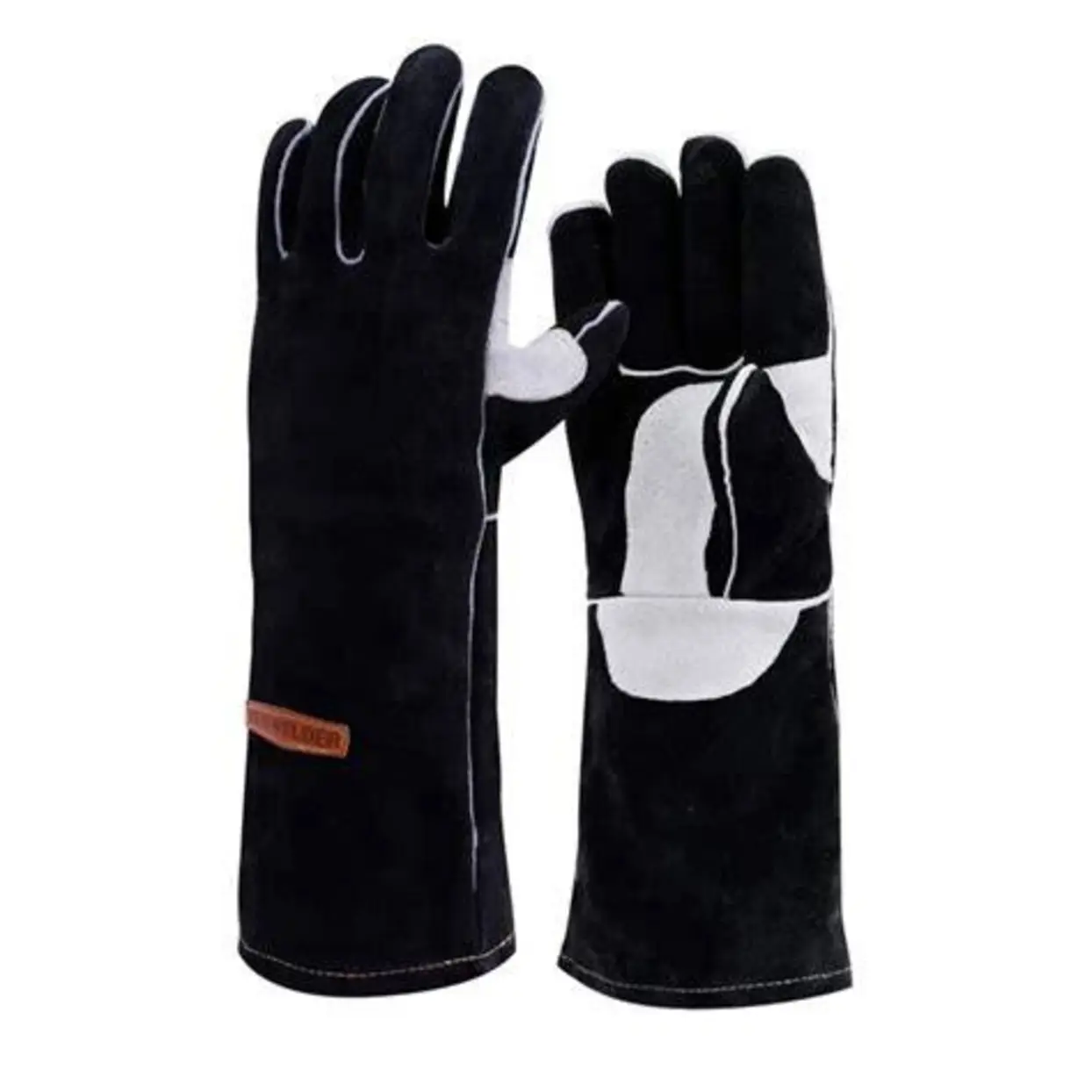
Welding has always been a high-risk trade. Between sparks, molten metal, heat exposure, sharp edges, and electrical hazards, even a routine task can quickly turn dangerous without the right protective gear. While helmets and jackets often get the spotlight, Welding Gloves are one of the most essential pieces of safety equipment on the job.
Modern welding is no longer limited to heavy industrial environments. Today, welding is used across automotive repair, construction, manufacturing, metal fabrication, shipbuilding, and even hobby workshops. As welding applications have expanded, so have the demands placed on hand protection.
This shift has driven innovation in glove design. The latest Welding Gloves are no longer just thick leather barriers. They now combine advanced materials, ergonomic construction, reinforced protection zones, and comfort-focused features that improve both safety and productivity.
Choosing the best pair is not simply about buying the thickest glove available. The right glove should match the welding process, work environment, and performance expectations.
Understanding the Risks Welders Face
Before selecting gloves, it helps to understand what they are designed to protect against.
Welders face multiple hand hazards, including:
- Extreme heat from sparks, slag, and hot metal
- Burns from molten splatter
- Abrasions and cuts from rough materials
- Punctures from sharp metal edges
- Electrical exposure in certain environments
- Hand fatigue from repetitive work
Different welding techniques create different risks.
For example, MIG welding often involves higher heat and more spatter, requiring heavier-duty protection. TIG welding, on the other hand, demands greater precision and finger sensitivity, making dexterity more important than bulk.
This is why no single glove works for every application.
Key Features to Look for in Welding Gloves
Selecting high-quality Welding Gloves means balancing protection, comfort, and usability.
Material Quality
Leather remains the industry standard, but not all leather performs the same.
Common materials include:
Cowhide
- Durable and heat resistant
- Good for heavy-duty MIG and stick welding
- Often used for general-purpose gloves
Goatskin
- Softer with better dexterity
- Naturally oil resistant
- Ideal for TIG welding and precision tasks
Deerskin
- Flexible and comfortable
- Excellent tactile sensitivity
- Suitable for lighter welding applications
Some advanced gloves now incorporate layered materials, combining leather with heat-resistant synthetic linings for enhanced protection.
Heat Resistance and Insulation
Heat protection is one of the most important considerations.
Look for gloves with:
- Multi-layer thermal lining
- Kevlar stitching
- Flame-resistant interiors
- Extended cuffs for wrist and forearm coverage
Innovative glove designs use specialized insulation zones that protect high-risk areas without making the entire glove bulky.
This targeted protection improves both safety and mobility.
Dexterity and Fit
Oversized gloves may protect your hands, but they can reduce control and increase fatigue.
Properly fitted Welding Gloves should allow:
- Comfortable finger movement
- Secure grip on tools and torches
- Minimal slipping inside the glove
Pre-curved finger construction is an increasingly popular innovation. It follows the natural resting shape of the hand, reducing strain during long shifts.
Elastic wrist adjustments and ergonomic thumb placement also improve fit and comfort.
Durability in High-Wear Areas
Welders repeatedly stress certain glove zones, especially palms, thumbs, fingertips, and seams.
Premium gloves often include:
- Reinforced palm patches
- Double-layer leather panels
- Extra thumb saddles
- Impact-resistant padding
These features significantly extend glove lifespan and reduce replacement frequency.
For professional environments, durability directly impacts operating costs.
Compliance With Safety Standards
Not all gloves are tested equally.
Reliable manufacturers design Welding Gloves to meet recognized safety certifications, such as:
- EN 12477 for welding gloves
- EN 388 for mechanical risks
- EN 407 for thermal protection
- ANSI standards where applicable
Certified gloves provide verified performance instead of relying on marketing claims.
Always review product specifications before purchasing.
Innovation Trends in Welding Gloves
Protective equipment has evolved rapidly in recent years.
Some of the biggest innovations in Welding Gloves include:
Smart Layer Construction
Rather than relying on one thick material, manufacturers now use layered systems that separate functions:
- Outer layer for heat and abrasion resistance
- Middle insulation layer for thermal protection
- Inner comfort liner for moisture management
This improves protection without sacrificing flexibility.
Breathable Comfort Technology
Traditional gloves can become hot, stiff, and uncomfortable over time.
New moisture-wicking liners and breathable panels help reduce sweat buildup, improving comfort during long work sessions.
This matters because sweaty gloves can reduce grip and cause hand fatigue.
Enhanced Ergonomics
Modern glove design increasingly focuses on worker performance.
Features now include:
- Pre-shaped fingers
- Flexible knuckle zones
- Reduced seam pressure points
- Better cuff mobility
These innovations improve productivity while maintaining protection.
Matching Gloves to Welding Applications
Choosing the best Welding Gloves depends heavily on the welding process.
MIG Welding
Best features:
- Thick leather
- Heavy insulation
- Long cuffs
- Reinforced palms
MIG welders need strong heat resistance and spatter protection.
TIG Welding
Best features:
- Thin goatskin or deerskin
- High dexterity
- Soft lining
- Precision fit
TIG welders prioritize control and tactile sensitivity.
Stick Welding
Best features:
- Maximum heat resistance
- Heavy-duty construction
- Extended forearm protection
Stick welding generates substantial heat and slag exposure.
Why Investing in Quality Matters
Low-cost gloves may seem attractive initially, but poor protection often leads to faster wear, reduced comfort, and increased safety risks.
High-quality Welding Gloves offer:
- Better protection
- Longer service life
- Improved hand comfort
- Greater job efficiency
In industrial settings, glove performance directly affects downtime, replacement budgets, and worker safety outcomes.
A premium glove is not just an accessory. It is a productivity tool and a frontline safety investment.
Final Thoughts
As welding environments become more demanding, protective gear must evolve with them. Today’s best Welding Gloves combine traditional durability with innovative materials, ergonomic design, and process-specific performance.
When selecting gloves, focus on your actual welding application rather than choosing a one-size-fits-all solution. Consider material, heat resistance, dexterity, durability, certification, and comfort.
Mitrasaruta: The right gloves protect more than just your hands. They improve confidence, precision, and long-term job performance.
In modern welding safety, innovation starts at your fingertips.
About The Author