Best PPH Pipe for Aggressive Chemical Environments
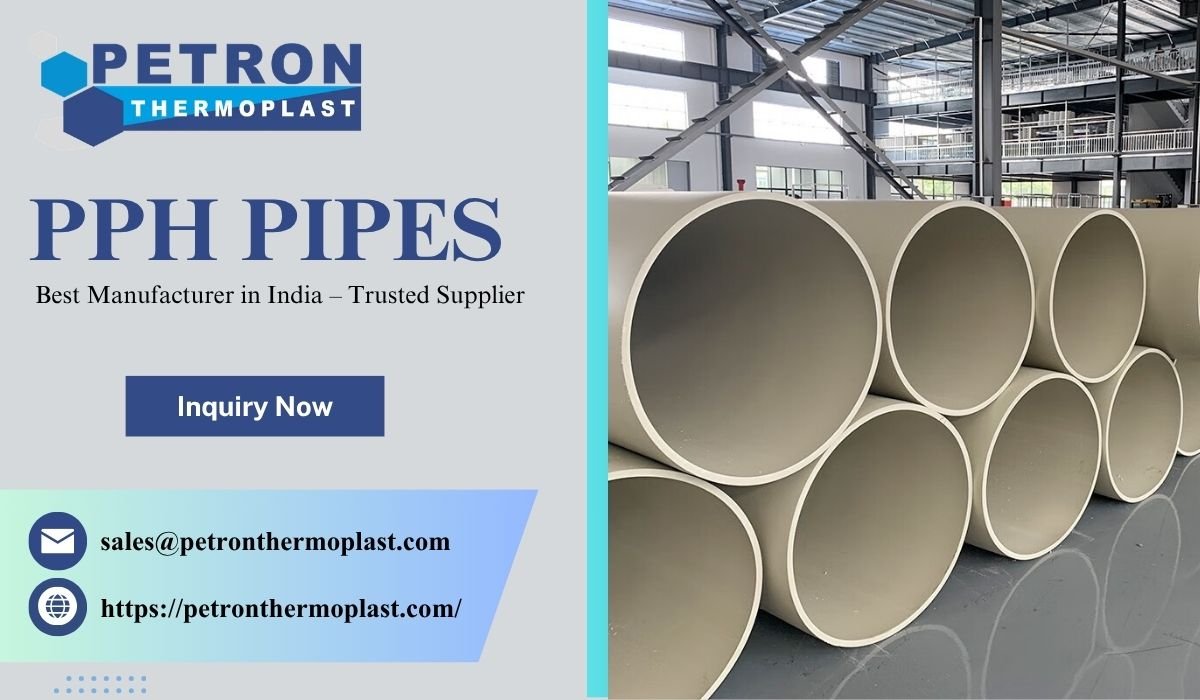
PPH Pipe
In modern industrial processing systems, selecting the correct piping material is essential for maintaining operational safety, process efficiency, and long service life. Industries that handle corrosive chemicals, high-temperature fluids, and aggressive media require piping systems capable of resisting chemical degradation and mechanical stress over extended periods. Among various thermoplastic piping materials available today, PPH pipe has become one of the most reliable solutions for demanding industrial applications.
PPH pipe, also known as Polypropylene Homopolymer pipe, is widely used in chemical processing plants, wastewater treatment facilities, electroplating industries, fertilizer plants, pharmaceutical manufacturing, and industrial fluid handling systems. Its excellent resistance to aggressive chemicals and superior thermal stability make it an ideal choice for industries operating in harsh environments.
Understanding PPH Pipe
PPH pipe is manufactured from high-grade polypropylene homopolymer material designed specifically for industrial pressure piping systems. The material offers enhanced crystallinity and improved mechanical strength compared to standard polypropylene materials. Due to its molecular structure, PPH pipe provides exceptional resistance against acids, alkalis, salts, and corrosive chemical compounds.
The piping system is engineered to handle continuous industrial operations where conventional metallic pipes often fail because of corrosion, scaling, or chemical attack. PPH piping systems are available in multiple pressure ratings and dimensions suitable for complex industrial installations.
Why PPH Pipe is Ideal for Aggressive Chemical Environments?
Aggressive chemical environments expose piping systems to severe operational challenges. Corrosive media can rapidly deteriorate ordinary piping materials, resulting in leakage, contamination, maintenance downtime, and costly replacements. PPH pipe is specifically designed to overcome these industrial limitations.
Excellent Chemical Resistance
One of the primary advantages of PPH pipe is its outstanding resistance to highly corrosive chemicals. The material performs efficiently in systems carrying:
- Sulfuric acid
- Hydrochloric acid
- Sodium hydroxide
- Nitric acid
- Caustic solutions
- Industrial solvents
- Chemical waste fluids
Unlike metal piping systems, PPH pipe does not rust, corrode, or chemically react with most industrial chemicals. This significantly improves the lifespan of the piping infrastructure.
High Temperature Performance
Industrial chemical processes often involve elevated temperatures that can damage ordinary plastic piping materials. PPH pipe offers excellent thermal stability and can operate efficiently under higher temperature conditions compared to many conventional thermoplastics.
The material maintains structural integrity and dimensional stability even during continuous exposure to hot chemical fluids, making it suitable for industrial processing units.
Corrosion-Free Operation
Corrosion is one of the major causes of industrial piping failure. Metallic pipes require expensive protective coatings, regular inspections, and continuous maintenance to prevent chemical damage. PPH pipe eliminates corrosion-related problems entirely.
Its non-corrosive nature ensures:
- Longer service life
- Reduced maintenance costs
- Improved operational reliability
- Consistent flow performance
- Lower risk of contamination
This makes PPH pipe highly economical for long-term industrial use.
Key Features of High-Quality PPH Pipe
Selecting the best PPH pipe for industrial applications requires understanding the essential performance characteristics of the material.
Superior Mechanical Strength
PPH pipes are manufactured with excellent tensile strength and impact resistance. They can withstand demanding industrial conditions involving pressure fluctuations, mechanical stress, and fluid movement.
The rigid structure of the material supports reliable performance in:
- Chemical transfer lines
- Industrial processing plants
- Pressure piping systems
- Effluent treatment facilities
Smooth Internal Surface
The inner surface of PPH pipe is smooth and non-reactive, reducing friction loss and minimizing scaling or deposit formation. This characteristic improves flow efficiency and reduces pumping energy consumption.
Smooth internal walls also help maintain process purity in industries such as:
- Pharmaceuticals
- Food processing
- Water treatment
- Chemical manufacturing
Low Thermal Conductivity
PPH pipe has low thermal conductivity compared to metal piping systems. This property reduces heat loss and helps maintain process temperatures more efficiently.
Additionally, reduced thermal conductivity minimizes condensation formation and improves overall energy efficiency in industrial plants.
Lightweight Construction
PPH pipe is significantly lighter than metal pipes, making transportation, handling, and installation easier. Lightweight construction reduces labor costs and simplifies installation in large industrial projects.
The reduced weight also lowers structural load requirements for support systems.
Applications of PPH Pipe in Industrial Sectors
PPH pipe is widely used across multiple industries due to its versatility and chemical resistance properties.
Chemical Processing Plants
Chemical manufacturing industries require highly durable piping systems capable of handling aggressive fluids continuously. PPH pipe is extensively used for:
- Acid transfer systems
- Chemical dosing lines
- Corrosive fluid transportation
- Process water systems
Its resistance to chemical attack ensures long-term operational reliability.
Wastewater Treatment Plants
Industrial wastewater often contains chemically aggressive substances that can rapidly damage conventional piping materials. PPH piping systems are suitable for:
- Effluent discharge lines
- Chemical treatment systems
- Sludge handling systems
- Waste chemical transport
The material maintains performance even under harsh wastewater treatment conditions.
Electroplating Industries
Electroplating operations involve highly corrosive chemical baths and acidic solutions. PPH pipe provides excellent compatibility with electroplating chemicals and helps maintain contamination-free fluid handling systems.
Pharmaceutical Industries
Pharmaceutical manufacturing facilities require clean and contamination-resistant piping systems. PPH pipe offers:
- High purity fluid handling
- Smooth internal surfaces
- Excellent chemical compatibility
- Reliable sanitary performance
Fertilizer and Chemical Storage Facilities
PPH pipe is commonly used in fertilizer plants and chemical storage systems due to its ability to handle aggressive industrial chemicals safely and efficiently.
Advantages of Using PPH Pipe Over Metal Pipes
Industries are increasingly replacing traditional metal piping systems with PPH pipe because of several operational advantages.
| Feature | PPH Pipe | Metal Pipe |
| Corrosion Resistance | Excellent | Limited |
| Chemical Compatibility | High | Moderate |
| Weight | Lightweight | Heavy |
| Maintenance | Low | High |
| Installation Cost | Lower | Higher |
| Service Life | Long | Moderate |
| Internal Scaling | Minimal | Common |
Factors to Consider When Choosing the Best PPH Pipe
Selecting the right PPH pipe for aggressive chemical environments requires careful evaluation of several technical parameters.
Chemical Compatibility
Always verify the compatibility of the pipe material with the chemicals being transported. Different industrial chemicals may require specific material grades and operating conditions.
Operating Temperature
The operating temperature of the process fluid significantly influences piping performance. Choose PPH pipe designed for the required thermal range.
Pressure Rating
Industrial piping systems operate under varying pressure conditions. Proper pressure-rated PPH pipe ensures safe and reliable fluid transportation.
Pipe Dimensions
Correct pipe diameter and wall thickness are critical for maintaining optimal flow rates and pressure performance.
Jointing Method
PPH piping systems are typically joined using:
- Socket fusion welding
- Butt fusion welding
- Flange connections
Proper jointing techniques are essential for leak-proof operation.
Installation and Maintenance Benefits
PPH pipe systems are known for easy installation and minimal maintenance requirements. Fusion welding techniques create strong and homogeneous joints that provide long-term leak resistance.
Maintenance advantages include:
- No rust treatment
- No anti-corrosion coating
- Reduced inspection frequency
- Minimal cleaning requirements
- Lower replacement costs
These benefits contribute to reduced operational downtime and improved plant productivity.
Environmental and Economic Benefits
Modern industries increasingly focus on sustainability and operational efficiency. PPH pipe supports these objectives through:
- Long service life
- Reduced maintenance waste
- Energy-efficient fluid flow
- Recyclable thermoplastic material
- Lower lifecycle costs
Its durability and chemical resistance help reduce frequent replacements and industrial waste generation.
Conclusion
PPH pipe is one of the most reliable and efficient piping solutions for aggressive chemical environments. Its superior chemical resistance, high-temperature stability, corrosion-free performance, and excellent mechanical strength make it suitable for demanding industrial applications.
From chemical processing plants to wastewater treatment systems and pharmaceutical manufacturing facilities, PPH pipe delivers long-lasting operational reliability with minimal maintenance requirements. Industries seeking durable and cost-effective piping infrastructure continue to prefer PPH piping systems for safe and efficient fluid handling operations.
Choosing high-quality PPH pipe from a trusted manufacturer like Petron Thermoplast ensures better process safety, enhanced performance, and long-term industrial efficiency. For industries operating in corrosive environments, investing in advanced PPH piping systems is a practical solution for achieving dependable and maintenance-free operation.
About The Author