The Atlas Mountains: Where Desert Meets Snow
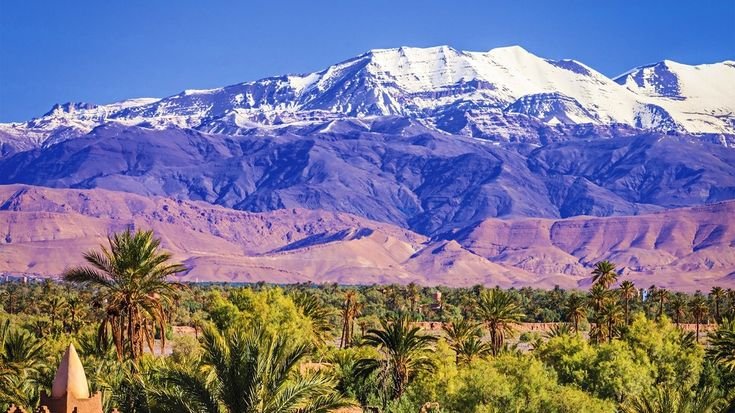
Stretching across North Africa like a rugged spine, the Atlas Mountains form one of the most fascinating geographical regions on Earth. Rising dramatically between the vast Sahara Desert and the fertile coastal plains, this mountain range presents a striking contrast where arid heat meets icy peaks.
The phrase “where desert meets snow” perfectly captures the surreal beauty and diversity of this landscape, making it a destination of both scientific interest and cultural richness.
Geographic Overview
The Atlas Mountains extend across Morocco, Algeria, and Tunisia, covering more than 2,500 kilometers. This vast range is divided into several subranges, including the High Atlas, Middle Atlas, and Anti-Atlas. Each section has its own unique terrain and climate, contributing to the region’s remarkable ecological diversity.
The High Atlas, located primarily in Morocco, contains the tallest peaks, including Mount Toubkal, which rises over 4,000 meters above sea level. These elevations are high enough to sustain snow for much of the year, creating a stark contrast with the nearby desert landscapes.
Climate Contrast: Desert and Snow
One of the most captivating features of this region is the dramatic shift in climate over relatively short distances. On one side, the Sahara Desert stretches endlessly with scorching temperatures and minimal rainfall. On the other hand, the mountain peaks experience cold winters, snowfall, and even seasonal skiing conditions.
This contrast occurs because the mountains act as a natural barrier. Moist air from the Atlantic Ocean rises over the slopes, cools, and condenses, bringing precipitation to the higher elevations. Meanwhile, the southern slopes descend into desert terrain, creating a rain shadow effect. The result is a unique meeting point of two extreme environments.
Natural Beauty and Landscapes
The landscapes of the Atlas Mountains are incredibly varied. Snow-capped peaks tower above lush valleys filled with orchards, rivers, and terraced farms. In spring, wildflowers blanket the hillsides, while winter transforms the higher elevations into a white wonderland.
Deep gorges and dramatic cliffs carve through the terrain, offering breathtaking views at every turn. Oases appear like green jewels amid the dry surroundings, sustained by underground water sources. These contrasting visuals make the region a paradise for photographers and nature enthusiasts.
Flora and Fauna
The ecological diversity of the Atlas Mountains supports a wide range of plant and animal life. Forests of cedar, oak, and pine dominate the cooler regions, providing habitat for species such as the Barbary macaque, one of the few monkey species found outside Asia.
In higher altitudes, alpine vegetation thrives despite harsh conditions. Meanwhile, the lower slopes and desert fringes are home to hardy shrubs and grasses adapted to arid climates. This blending of ecosystems allows species from both Mediterranean and desert environments to coexist.
Birdlife is particularly abundant, with many migratory species using the mountains as a stopover point. Raptors soar above the cliffs, while smaller birds inhabit the valleys and forests.
Cultural Significance
The Atlas Mountains are not just a natural wonder; they are also home to diverse communities with rich cultural traditions. Indigenous Berber (Amazigh) people have lived in these mountains for centuries, adapting their lifestyles to the challenging terrain.
Traditional villages, often built from stone and clay, blend seamlessly into the landscape. Agriculture is practiced on terraced slopes, where crops like barley, wheat, and olives are cultivated. Livestock herding remains an important part of daily life.
The culture of the region is deeply connected to the land. Seasonal changes, water availability, and mountain conditions influence everything from farming practices to festivals and social structures.
Adventure and Tourism
For travelers, the Atlas Mountains offer a wide range of activities. Hiking and trekking are among the most popular, with routes ranging from gentle valley walks to challenging climbs. Mount Toubkal attracts adventurers from around the world seeking to summit North Africa’s highest peak.
In winter, snow-covered slopes provide opportunities for skiing and snowboarding, a surprising feature in a region often associated with desert landscapes. Meanwhile, the lower elevations offer opportunities for cultural tourism, including visits to traditional villages and local markets.
The region’s accessibility, combined with its diversity, makes it a unique destination where visitors can experience both desert and alpine environments in a single trip.
Environmental Challenges
Despite their beauty, the map of morocco atlas mountains face several environmental challenges. Climate change is affecting snowfall patterns, water availability, and ecosystems. Reduced snowpack can impact both agriculture and local water supplies, particularly in areas dependent on seasonal meltwater.
Deforestation and overgrazing also pose threats to the region’s biodiversity. Efforts are being made to promote sustainable practices and protect natural resources, but balancing development with conservation remains a complex issue.
The Symbolism of Contrast
Perhaps what makes the Mountains most compelling is their symbolism. They represent a meeting point of extremes, hot and cold, dry and fertile, ancient and evolving. This duality is reflected not only in the landscape but also in the cultures and lifestyles of the people who inhabit the region.
The coexistence of desert and snow serves as a reminder of nature’s complexity and resilience. It challenges common perceptions of climate zones and highlights how interconnected environmental systems truly are.
Conclusion
The Atlas Mountains stand as a remarkable testament to the diversity of our planet. From snow-covered peaks to desert plains, they embody a rare and captivating contrast that continues to inspire scientists, travelers, and locals alike.
Whether viewed as a geographical wonder, a cultural heartland, or an adventure destination, this region offers something truly unique. It is a place where boundaries blur, where extremes coexist, and where the phrase “where desert meets snow” becomes a vivid and unforgettable reality.
About The Author