Laparoscopic Tools Every Veterinary Surgeon Needs
Many assume laparoscopic instruments are expensive luxuries. In truth, most are priced in ranges accessible to small practices……..
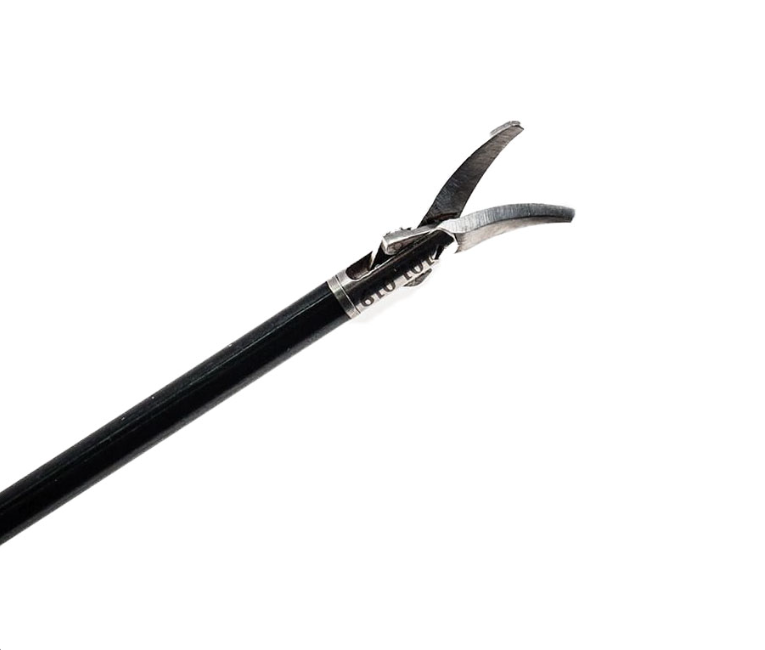
Laparoscopic instruments
Are You Using the Right Tools in Surgery?
In veterinary surgery, the right tool can make all the difference. When a procedure requires precision, speed, and minimal trauma, outdated or bulky instruments hold you back. Patients today recover faster when clinics adopt modern techniques.
That is why laparoscopic instruments have become the go-to choice for veterinarians who want efficiency without compromising safety. If your practice still relies on older methods, you may be missing out on tools that make surgeries smoother and outcomes better.
Why Laparoscopic Instruments Change the Game
Veterinary surgery has evolved in the last decade. Small incisions, faster recovery, and reduced pain are now standard expectations from pet owners. But none of this is possible without reliable laparoscopic instruments. These tools are designed for control inside small spaces and also reduce the risk of tissue damage and allow surgeons to operate with steady precision.
Think of a biopsy, an ovary grasp, or even delicate equine surgery. With traditional open methods, recovery is slow and painful. With the right laparoscopic setup, you deliver the same procedure with minimal invasion. The patient goes home sooner, and your clinic builds a reputation for advanced care. This is why modern practices invest in complete instrument kits instead of piecing together old tools.
A Wide Range Designed for Different Needs
One reason these instruments have gained traction is the variety available for different cases. Take the Laparoscopic Babcock Grasper, ideal for holding tissue gently without trauma, or the Biopsy Instrument, crafted for sampling with precision. Each tool is shaped with a purpose, and that purpose translates to better surgical outcomes.
Equine surgeons now rely on longer shafts and locking handles for control in deep cavities. Instruments like the Equine Atraumatic Forceps or the Metzenbaum Scissors show how designs adapt to large-animal needs. Smaller animals, on the other hand, benefit from mini graspers and reusable scissors. The spectrum of instruments ensures no surgeon feels limited, whether handling a canine laparoscopy or a complex equine procedure.
Comparing Instruments at a Glance
To make selection easier, here’s a quick breakdown of some common laparoscopic tools:
| Instrument | Use in Practice | Key Feature |
| Laparoscopic Babcock Grasper | Gentle tissue handling | Smooth jaws prevent trauma |
| Laparoscopic Biopsy Instrument | Tissue sampling during diagnostic procedures | 5mm diameter for precision |
| Laparoscopic Needle Holder | Suturing in tight spaces | Strong grip, reusable build |
| MiniLap Alligator Grasper | Small-animal surgeries with delicate handling | Slim design for narrow access |
| Equine Metzenbaum Scissors | Large-animal laparoscopy | 47cm long shaft |
| Equine Traumatic Claw Grasping Forceps | Strong tissue grasping with a locking handle | 10mm shaft, durable build |
This variety allows veterinarians to select tools that match case requirements rather than improvising mid-procedure.
- Durability and Cost Considerations
Cost is always a factor when building or upgrading surgical setups. Many assume laparoscopic instruments are expensive luxuries. In truth, most are priced in ranges accessible to small practices. For example, basic graspers and scissors often cost less than two hundred dollars, while specialized equine tools run higher but provide long service life.
Reusable designs reduce replacement needs. A well-maintained scissor or grasper can serve for dozens of procedures before needing service. Compare this with single-use items, which add up quickly in operating expenses. Choosing wisely at the start saves money long-term and keeps your inventory reliable.
- Practical Benefits for Your Team
It is not just about patients. Surgeons and staff benefit too. Lightweight shafts, locking handles, and sharp cutting edges mean fewer mistakes and smoother motions. A team confident in its tools performs more effectively under pressure.
Even training new staff becomes easier. Standardized diameters and designs mean assistants and junior surgeons adapt faster. When every tool feels familiar, workflow speeds up, and surgeries stay consistent. That efficiency reflects in reduced anesthesia time and better patient safety.
How to Build the Right Set for Your Practice
Choosing instruments is not about grabbing everything at once.
- Start by mapping your common procedures. For small-animal practices, a starter set of graspers, scissors, and a biopsy tool covers most needs.
- Equine surgeons, however, will require long-shaft instruments like Metzenbaum Scissors or Babcock Forceps with locking handles.
- The next step is thinking about durability. Reusable tools might cost more up front, but they cut recurring expenses.
- If the budget allows, invest in a reliable needle holder, since suturing without one slows down every procedure. Over time, your set can expand as your practice grows.
Upgrade Your Toolkit with Confidence!
Surgical outcomes depend not only on skill but also on the quality of instruments in your hands. Laparoscopic instruments make surgeries faster, safer, and more efficient for patients and staff alike. They are no longer optional; they are the standard for clinics that want to stay competitive.
Explore the complete range of instruments here and equip your practice with tools that match your vision for modern veterinary care!
About The Author