Candlestick Patterns: Are They Still Reliable in Algorithm-Driven Markets?
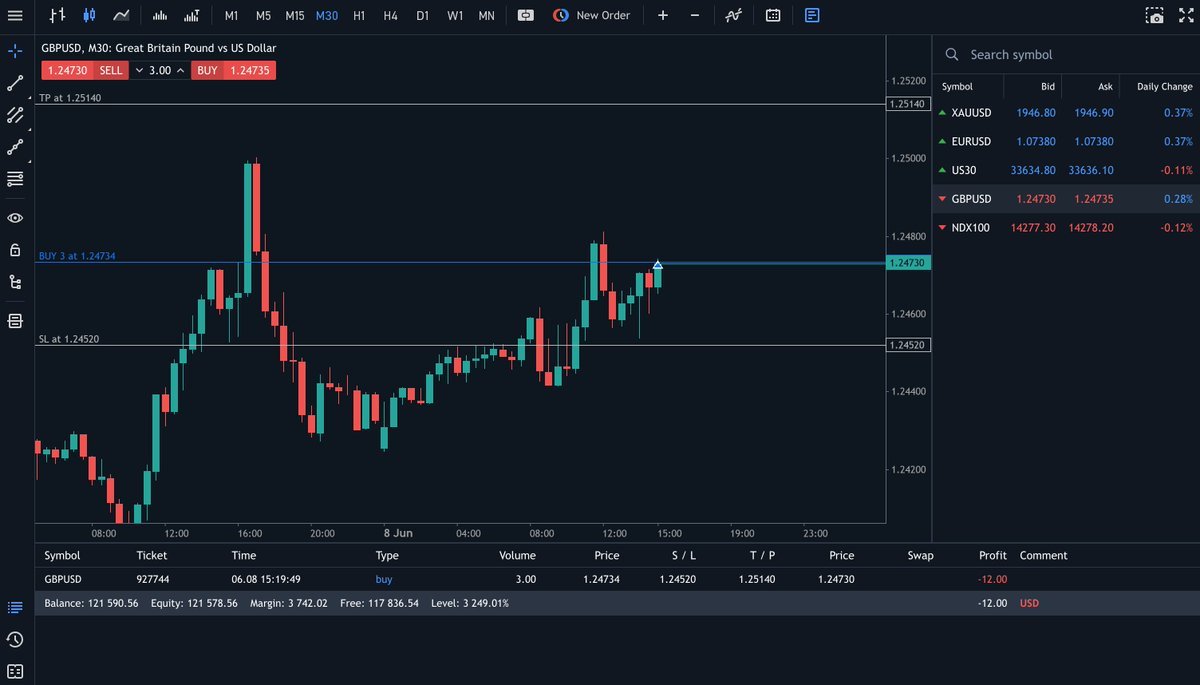
For decades, traders have relied on candlestick patterns as a core part of technical analysis. From simple formations like dojis and hammers to more complex setups like engulfing and morning stars, these patterns have helped traders interpret market sentiment and anticipate potential price movements.
But markets have changed dramatically in recent years. With the rise of algorithmic trading, high-frequency systems, and AI-driven execution, many traders now ask a valid question: Are candlestick patterns still reliable in today’s fast, automated markets?
The answer isn’t a simple yes or no, it depends on how they’re used, and more importantly, the environment they’re used in.
How Algorithms Have Changed Market Behavior
In traditional markets, price movements were largely driven by human emotion fear, greed, hesitation, and reaction to news. Candlestick patterns worked well because they visually captured these emotions in real time.
Today, however, a large portion of trading volume comes from algorithms. These systems:
- React in milliseconds
- Execute based on predefined conditions
- Identify liquidity zones automatically
- Often ignore traditional “visual” patterns
This shift has changed how price behaves. Moves are faster, sharper, and sometimes less predictable. As a result, candlestick patterns may not always reflect genuine market sentiment in the way they once did.
Patterns Still Exist—But Their Meaning Has Changed
One important misconception is that candlestick patterns have stopped working. That’s not true.
They still appear regularly on charts. However, their reliability has changed because the drivers behind price movement have evolved.
For example:
- A bullish engulfing pattern may now be the result of algorithmic stop hunts rather than organic buying pressure
- A false breakout may be intentionally created to trigger liquidity before a reversal
- Small candles may reflect low-latency trading activity rather than indecision
So the patterns are still there, but the psychology behind them is no longer purely human.
The Role of the Trading Platform
Another often overlooked factor is the trading platform itself.
Modern platforms are not just charting tools, they are execution environments connected directly to liquidity providers, market makers, and broker infrastructure. This means:
- Price feeds can differ slightly between platforms
- Execution speed can influence entry and exit points
- Chart representation may vary depending on data aggregation
Because of this, two traders looking at the same candlestick patterns on different platforms may not see identical signals.
A reliable trading platform becomes critical because it ensures:
- Accurate price data
- Fast execution
- Stable chart updates during volatility
- Consistent candle formation across timeframes
Without this consistency, even strong candlestick analysis can lose effectiveness.
Why Candlestick Patterns Still Matter
Despite the rise of algorithms, candlestick patterns are not obsolete. They remain useful—but in a more refined way.
Instead of treating them as standalone signals, traders now use them as:
- Contextual clues
- Confirmation tools
- Entry timing triggers within broader strategies
For example, a bullish engulfing pattern is more meaningful when it appears:
- At a key support level
- In alignment with the higher timeframe trend
- During active trading sessions with high liquidity
In this context, the pattern is not predicting the market, it is confirming what the market is already showing.
The Problem of Over-Reliance
One of the biggest mistakes traders still make is relying too heavily on candlestick patterns alone.
In algorithm-driven markets, this can lead to:
- False signals during liquidity grabs
- Premature entries before real moves
- Misinterpretation of artificial price spikes
Algorithms often create movements that look like traditional setups but are designed to trigger emotional reactions from retail traders.
This is why candlestick patterns should never be used in isolation anymore.
Market Structure Matters More Than Patterns
In modern trading environments, structure has become more important than individual candles.
Traders who adapt successfully tend to focus on:
- Trend direction
- Support and resistance zones
- Liquidity areas
- Break of structure and market shifts
Candlestick patterns are then used to refine entries within that structure, not define the strategy itself.
Speed and Execution Have Become Critical
Another major change brought by algorithmic markets is speed.
Even if a candlestick pattern is valid, delayed execution can completely change the outcome. This is where the quality of a trading platform becomes especially important.
In fast-moving conditions:
- A slight delay can lead to worse entry prices
- Slippage can affect stop-loss placement
- Rapid price changes can invalidate setups instantly
This means that reliability and execution speed now play a bigger role in trading success than pattern recognition alone.
The Shift from Prediction to Reaction
In earlier market eras, traders often used candlestick patterns to predict future movement.
In today’s environment, successful traders use them to react to what is already happening.
Instead of asking:
- “Will this pattern work?”
They ask:
- “What is the market doing right now, and does this pattern confirm it?”
This subtle shift is what separates outdated trading approaches from modern ones.
Final Thoughts
Candlestick patterns are not dead, but they are no longer standalone predictive tools in algorithm-driven markets.
Their effectiveness has shifted from prediction to confirmation. They still provide value, but only when combined with broader market context, structure, and a reliable trading platform that ensures accurate data and fast execution.
In today’s markets, success is less about spotting patterns and more about understanding why those patterns form, and whether the conditions behind them still support meaningful price movement.
Ultimately, candlestick patterns remain useful, but only for traders who have evolved alongside the markets themselves.
About The Author