Can Flooring Finishes Really Change the Look of Your Home
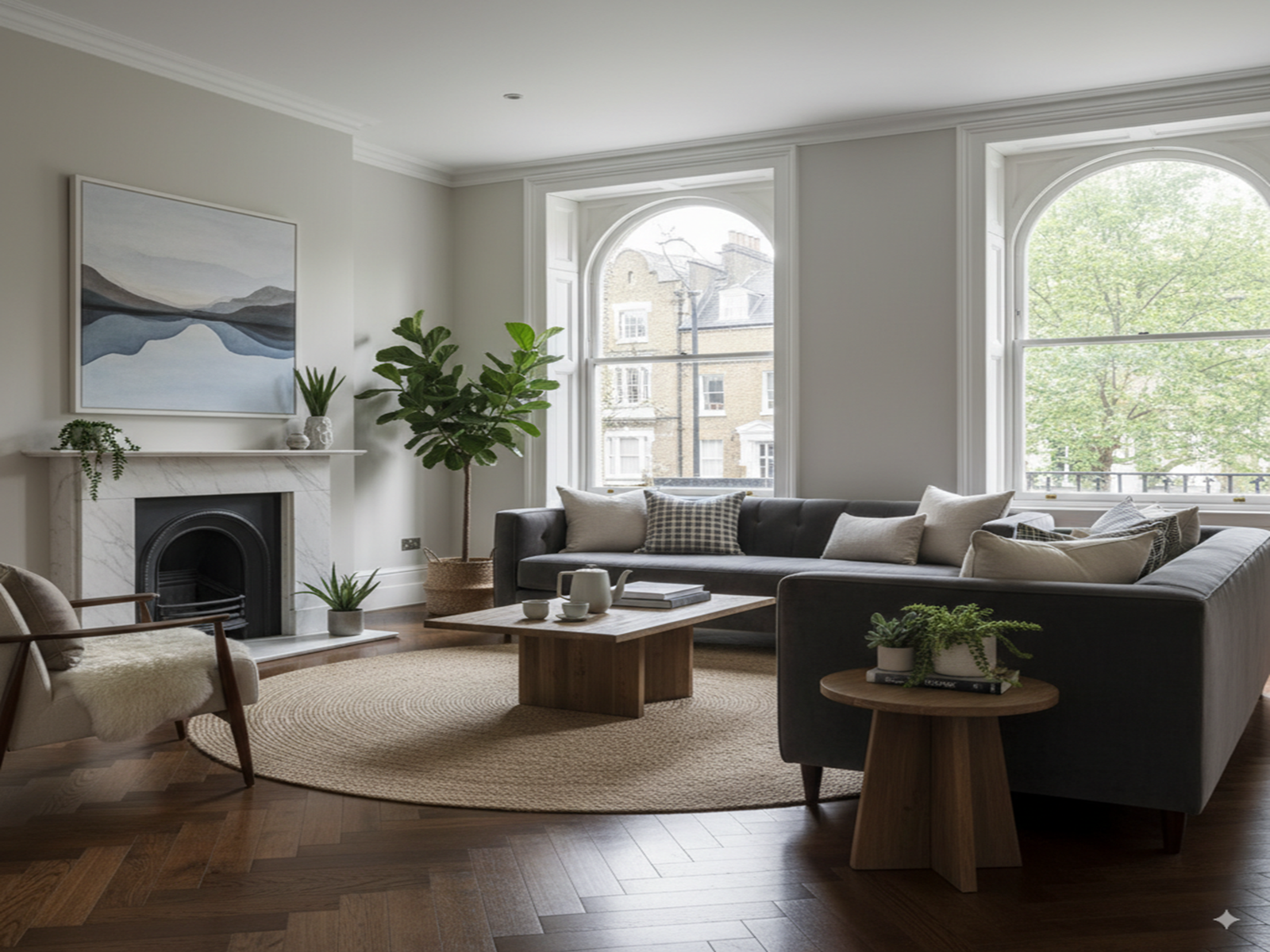
Most people focus on colour or pattern when choosing flooring. That’s understandable. It’s what stands out first. But once the floor is laid, it’s the finish that really shapes how it looks day to day.
The same floor can feel completely different depending on how it’s finished. One surface might reflect light and feel sharp, while another feels softer and more natural underfoot.
Installers often point this out during site visits. A sample board rarely tells the full story. Once the finish goes on across the entire room, the effect becomes much clearer.
Can One Floor Look Completely Different Just by Changing the Finish?
It can, and the change is often more noticeable than expected. Take engineered wood flooring. The structure underneath doesn’t change, but the finish can shift the entire look. A matte finish tones everything down. A lacquered surface brings out lighter tones and makes the grain stand out.
Even layout styles respond differently. Herringbone flooring, for example, can either feel subtle or quite bold depending on how it’s finished. A natural oil keeps it calm. A slightly glossy finish draws more attention to the pattern.
In real projects, this is often where decisions get made, not at the stage of choosing the floor, but at the stage of choosing how it will be finished.
What Types of Finishes Are Actually Used on Wood Floors?
There’s no single “best” finish. It depends on how the space is used and how the floor is expected to look over time.
Lacquered surfaces
- Forms a protective layer on top
- Easier to wipe clean
- Gives a more polished appearance
This is often chosen in homes where cleaning needs to be quick and simple.
Natural oil finishes
- Soaks into the wood rather than sitting on top
- Keeps the surface looking closer to raw timber
- Can be repaired in smaller sections
This type of finish is often used where a softer, more lived-in feel is preferred.
Hardwax oil
- Sits somewhere between oil and lacquer
- Offers protection without too much shine
- Works well in everyday living spaces
It’s a practical choice for people who want durability without losing the natural look.
Brushed or textured finishes
- Brings out the grain of the wood
- Makes small marks less visible
- Adds a bit of character to the surface
This is often used in spaces where a slightly worn-in look is part of the design.
Stained finishes
- Changes the tone of the wood
- Helps match flooring with interiors
- Can make a space feel lighter or darker
In renovation work, staining is sometimes used to update the look without replacing the entire floor.
Does the Finish Affect How the Floor Holds Up Over Time?
Yes, and this is where practical decisions come in.
A finish isn’t just about appearance. It’s what takes the daily wear and tear. Foot traffic, spills, furniture movement—everything hits the finish first.
With engineered wood flooring, the surface layer matters. Choosing the right finish helps protect that layer for longer.
In busy homes, a more durable finish can make life easier. In quieter spaces, appearance might take priority instead.
Installers usually consider how the room will be used before making any recommendations. A hallway doesn’t get treated the same way as a bedroom.
Is Unfinished Flooring Still a Good Option?
It can be, but it depends on the project.
Unfinished wood flooring gives more control. The finish is applied after installation, which means the colour and texture can be adjusted to suit the space exactly.
- Allows a more tailored result
- Creates a consistent finish across the room
- Works well in design-focused projects
This approach is often used when the flooring needs to match existing elements in the room.
That said, it does take more time. The result depends heavily on how the finish is applied.
How Does the Finish Change the Feel of a Room?
It’s not just visual. It also affects how the space feels. A softer, matte finish tends to make a room feel more relaxed. A shinier surface feels cleaner, sometimes more formal. Textured finishes can make a space feel warmer.
In open-plan areas, this becomes more noticeable. The floor connects everything. A consistent finish helps the space flow. A different finish can break it up slightly.
For example, herringbone flooring with a natural finish often works well in entry spaces. It adds detail without making the area feel too busy.
What Should Be Thought About Before Choosing a Finish?
There’s no single answer, but a few things usually guide the decision:
- How much foot traffic the area gets
- Whether the space is prone to spills or moisture
- How much maintenance is realistic
- The overall look that’s being aimed for
In most cases, the finish is chosen after thinking about how the space will actually be used, not just how it should look.
Conclusion
Finishes do more than people expect. They don’t just protect the floor—they shape how it looks and feels every day. The right finish doesn’t stand out on its own, but it helps everything else in the room work together better.
About The Author