Building a Flexible Data Future with a Universal API
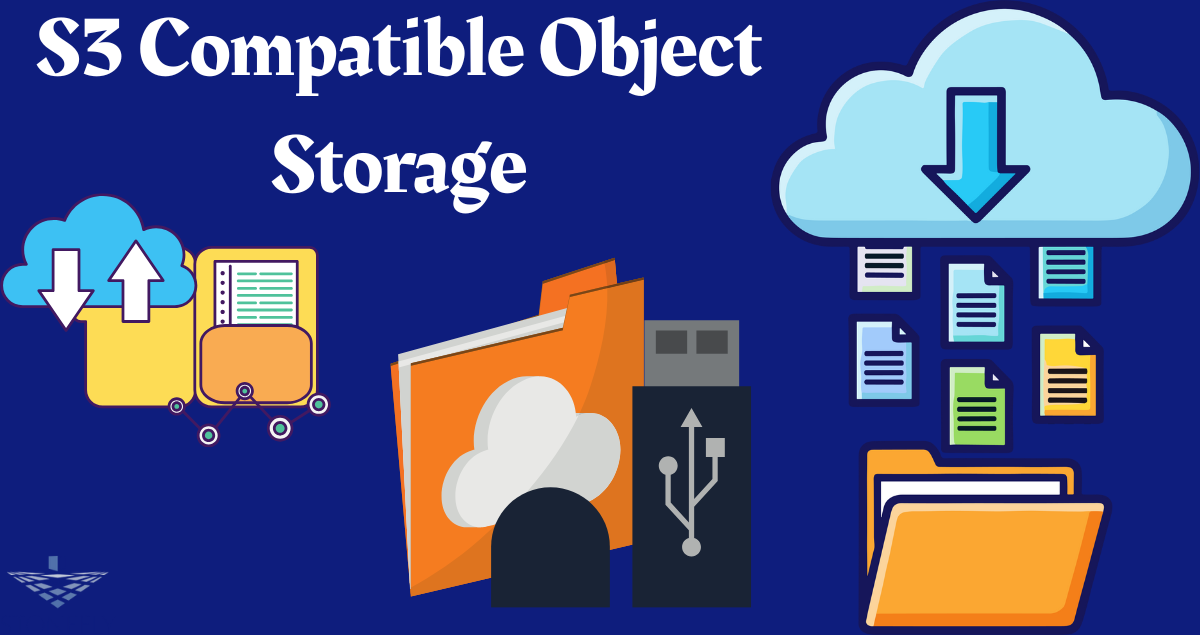
In the quest to manage massive volumes of unstructured data, IT leaders are increasingly looking for storage solutions that offer both flexibility and future-proofing. The key to achieving this lies in adopting technologies that are not tied to a single vendor or environment. This is where the power of an industry-standard API comes into play, enabling businesses to deploy S3 Compatible Object Storage and create a seamless data fabric. This approach allows organizations to leverage a vast ecosystem of tools and applications while maintaining complete control over their infrastructure and data.
The decision to adopt a new storage platform is about more than just capacity and performance; it’s about strategic agility. By standardizing on a solution that leverages the industry’s most widely adopted object storage API, organizations can unlock unparalleled flexibility. This approach provides immediate integration with a vast ecosystem of applications, simplifies the path to a functional hybrid cloud. Prevents costly vendor lock-in. It empowers businesses to build a data infrastructure that is not only powerful and scalable today but also ready for the innovations of tomorrow.
The Strategic Value of API-Driven Storage
At its core, an Application Programming Interface (API) is a set of rules that allows different software applications to communicate with each other. In the world of data storage, one API has emerged as the de facto standard for object storage. Its widespread adoption means that an enormous number of backup applications, data analytics platforms, content management systems, and development toolkits are built to use it natively.
When you choose a storage platform based on this common API, you are not just buying a place to put your data; you are investing in a strategic asset that integrates effortlessly into your existing and future IT landscape.
Unlocking a World of Applications
The primary benefit of this compatibility is immediate access to a mature ecosystem. Your teams can continue using the tools they already know and trust.
- For DevOps: Teams can use standard SDKs (Software Development Kits) and scripts to provision and manage storage resources as part of their automated CI/CD pipelines.
- For Data Scientists: Analytics platforms can directly access and process massive datasets stored in the system without needing complex and slow data-copying operations.
- For Backup Administrators: Modern data protection software can use your on-premise system as a high-performance, scalable backup target, often with features like object immutability for ransomware protection.
This plug-and-play capability dramatically shortens development cycles and simplifies the deployment of new services.
Designing a Modern, Hybrid-Ready Infrastructure
The goal of a modern data strategy is often not to choose between on-premise infrastructure and the public cloud, but to use them together effectively. A hybrid cloud model allows you to keep sensitive data and high-performance workloads in your own data center while using public cloud services for other needs like disaster recovery or temporary compute bursting. An S3 Compatible Object Storage platform is the perfect foundation for this strategy.
Consistent Operations Across Environments
By using the same API on-premise as is used by major public cloud providers, you create a consistent operational experience. Developers and applications can interact with data using the same commands and tools, regardless of where that data physically resides. This consistency simplifies management and reduces the learning curve for your IT staff. It enables a “develop once, deploy anywhere” approach, giving you the ultimate flexibility to place workloads where they make the most sense from a cost, performance, and security perspective.
Avoiding Vendor Lock-In
Relying on a proprietary storage technology can lock you into a single vendor’s ecosystem, limiting your future choices and potentially leading to higher costs. By contrast, building your infrastructure around an open, industry-standard API keeps your options open. You gain the freedom to switch underlying storage hardware or software providers in the future without having to re-architect all your applications. This strategic freedom ensures that your data remains accessible and your infrastructure can evolve as technology and business requirements change. Using S3 Compatible Object Storage is a powerful way to retain control of your technological destiny.
Conclusion
The decision to adopt a new storage platform is about more than just capacity and performance; it’s about strategic agility. By standardizing on a solution that leverages the industry’s most widely adopted object storage API, organizations can unlock unparalleled flexibility. This approach provides immediate integration with a vast ecosystem of applications, simplifies the path to a functional hybrid cloud, and prevents costly vendor lock-in. It empowers businesses to build a data infrastructure that is not only powerful and scalable today but also ready for the innovations of tomorrow.
FAQs
1. What does “S3 compatible” actually mean?
It means the storage system implements the well-known and widely used API originally developed for cloud object storage. This allows applications written to work with that API to connect to your storage system, typically with just a simple change to the service endpoint URL.
2. Is this type of storage only for large enterprises?
No, solutions are available for organizations of all sizes. You can start with a small deployment and scale out as your data grows, making it a cost-effective choice for small and mid-sized businesses as well as large enterprises.
3. Does API compatibility guarantee identical performance to a public cloud service?
API compatibility refers to the way applications interact with the storage, not its performance. The performance of your on-premise system will depend on its specific hardware (CPU, network, drives) and software configuration. Often, on-premise systems can provide lower latency and higher throughput because the data is physically closer to your users and applications.
4. Can I migrate data easily from a public cloud to a compatible on-premise system?
Yes, because both systems “speak” the same API language, data migration is greatly simplified. There are numerous tools available, both open-source and commercial, that are designed to efficiently sync or move data between two API-compatible endpoints.
5. What is the biggest advantage of using an API-compatible on-premise solution?
The biggest advantage is choice. You get the rich application ecosystem and operational consistency of a standard API, combined with the security, performance, and cost control of keeping your data within your own infrastructure.
About The Author