The Global Popularity of Comme des Garçons Explained
Shop Comme des Garcons US & EU Collections at Our Store. Buy Authentic CDG Play Apparel With 55% OFF & Free Shipping.
Rei Kawakubo, the visionary behind Comme des Garçons, did not come from a traditional fashion background. Trained in fine arts and literature, she brought a fresh perspective to clothing design. In 1969, she officially launched the label in Japan. By 1973, Comme des Garçons had become a registered company, steadily gaining recognition for its innovative styles.
The name itself, translating to “like boys” in French, symbolizes the brand’s ethos—defying gender norms and breaking away from conventional ideas of beauty. From the beginning, Comme des Garcons clothing disrupted the polished, Western-influenced Japanese fashion scene with raw, deconstructed aesthetics.
Breaking the Fashion Norms
One of the most defining moments in the brand’s history came in 1981, when Kawakubo debuted her collection in Paris. At a time when vibrant colors and glamour dominated the runway, Comme des Garçons shocked the audience with monochromatic tones, asymmetrical cuts, and distressed fabrics.
Critics labeled the style as “anti-fashion,” yet this was precisely the intention. Kawakubo sought to redefine fashion by questioning its relationship to identity and society. Her work rejected conventional beauty standards and instead celebrated imperfection, asymmetry, and abstract forms.
The result? A cult-like following that has only grown with time, as Comme des Garçons clothing continues to push the boundaries of fashion.
The Philosophy of Rei Kawakubo
At the heart of Comme des Garcons lies Rei Kawakubo’s belief that fashion should be a medium of expression rather than conformity. She once stated that her goal was not to make clothes but to create “objects for the body.”
This philosophy explains why Comme des Garcons clothing often feels more like wearable art. Pieces are layered, torn, oversized, or oddly shaped, challenging the very function of clothing. Yet, paradoxically, they are functional in a new sense—they allow wearers to express individuality in ways no traditional fashion can.
Key Lines and Sub-Brands
Comme des Garçons is not a singular entity; it has expanded into several sub-labels, each with its own identity.
Comme des Garçons Homme
Focused on menswear, this line balances the avant-garde DNA of the parent brand with wearable tailoring and street-inspired aesthetics.
Comme des Garçons Play
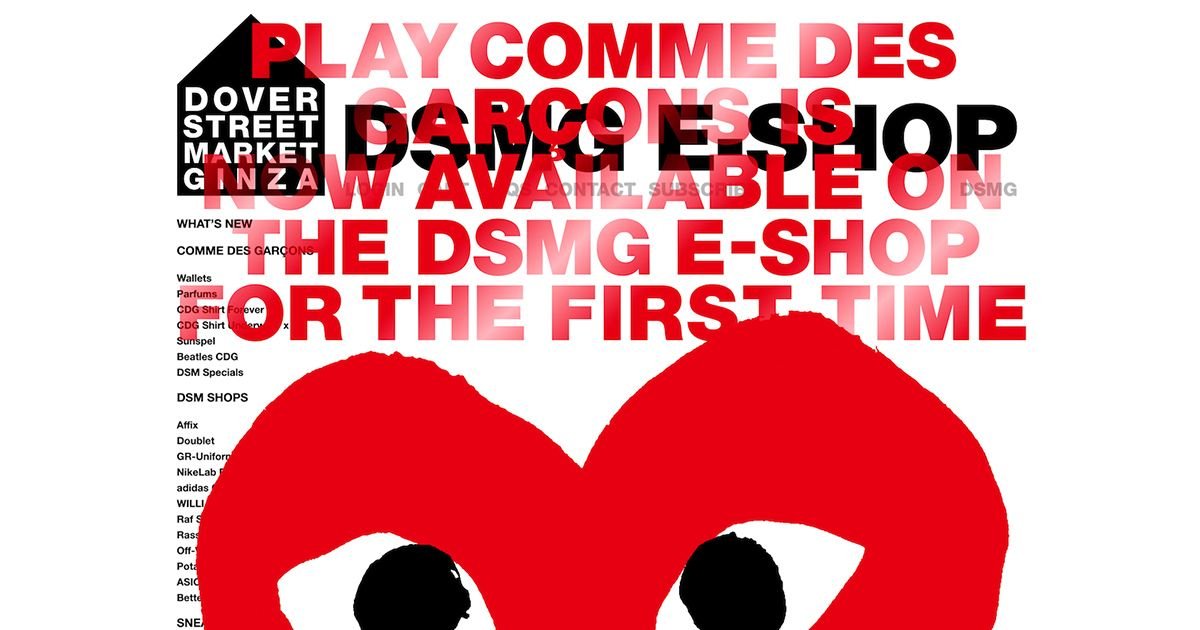
Arguably the most recognizable sub-label, Play is instantly identifiable by its heart logo with cartoonish eyes. It leans toward casual, everyday wear, making Comme des Garcons Play clothing accessible to a wider audience.
Comme des Garçons Noir, Comme des Garçons Homme Plus, and Others
These sub-labels cater to various niches—from luxury tailoring to experimental streetwear—showing the brand’s ability to cater to both avant-garde enthusiasts and mainstream fashion lovers.
Iconic Collaborations
Over the years, The Comme des Garcons has become a pioneer of high-profile collaborations that bridge streetwear, luxury, and art. These partnerships have allowed the brand to reach new audiences without compromising its avant-garde identity.
One of the most famous collaborations is with Converse, resulting in the cdg converse sneakers that blend the playful heart motif of Comme des Garçons Play with the timeless Converse Chuck Taylor silhouette. Similarly, collaborations with brands like Nike, Supreme, and even luxury houses like Louis Vuitton demonstrate the label’s versatility.
Another noteworthy collection includes the Comme des Garcons Shirt line, where the brand reinterprets the classic wardrobe staple with asymmetrical cuts, bold patterns, and playful twists.
About The Author