Why Erie Homes Need twice Pressure Washing of Inland Homes
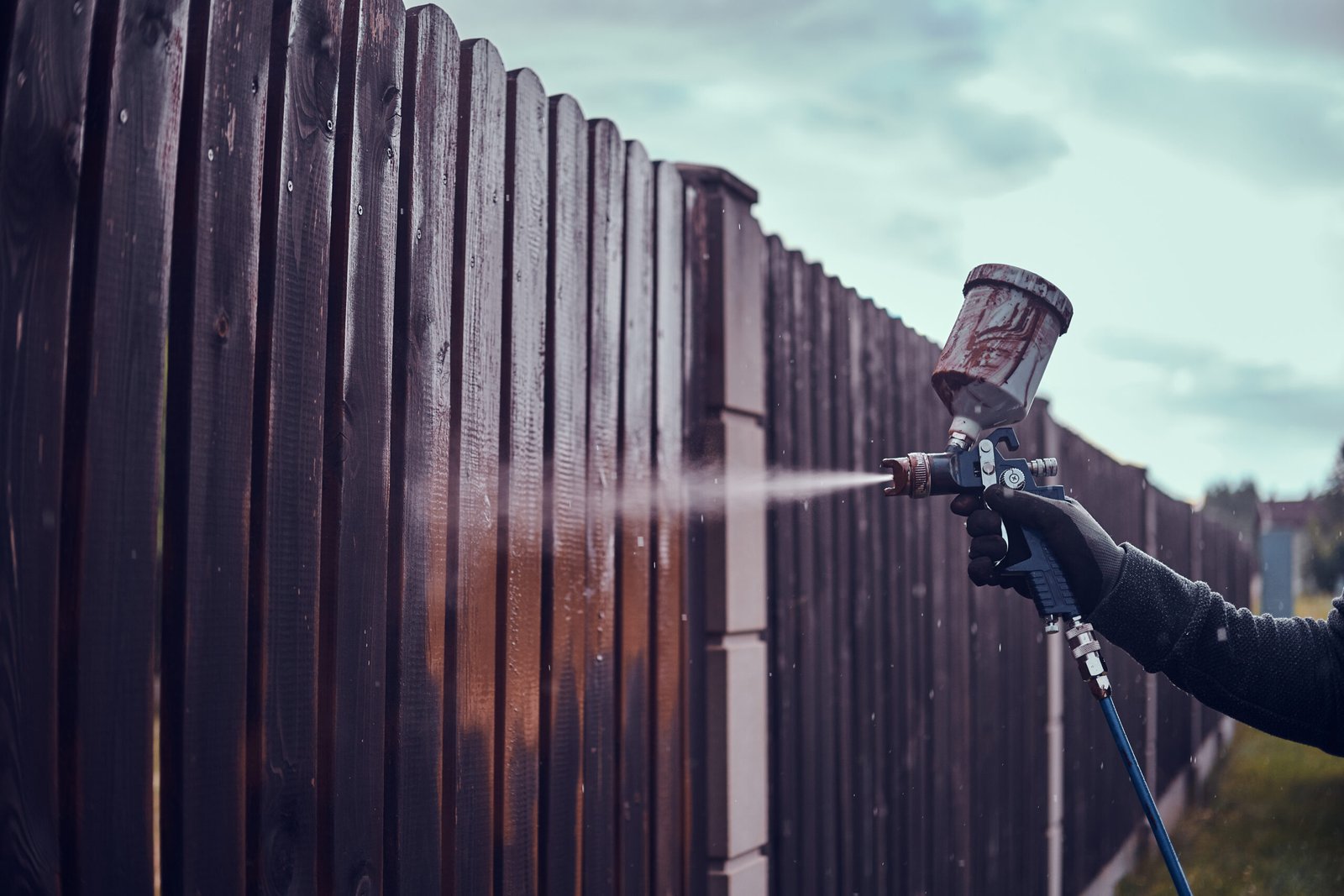
Man n protective gloves is applying paint to the old fence using airbrush at his garden.
Homeowners who move to Erie from inland areas often notice something strange within their first year. Their siding gets dirty faster, their concrete stains sooner, and their roof develops algae streaks well before they expected any of it to happen.
This isn’t bad luck or poor building materials. A pressure washing service scheduled twice a year is often necessary here simply because of how Erie’s lake effect climate interacts with every exterior surface on a property.
The Lake Effect Difference
Lake Erie sits close enough to constantly pump moisture into the surrounding air. That moisture doesn’t just create snow in winter. It stays present year-round, feeding algae, mold, and mildew growth on surfaces that would stay drier further inland.
Humidity levels near the lake run consistently higher than areas even fifty miles south. That extra moisture gives organic growth exactly what it needs to establish itself quickly on siding, roofs, and concrete.
Winter Adds Another Layer of Damage
Erie’s winters bring more than just cold temperatures. Heavy snowfall, road salt, and repeated freeze thaw cycles all put extra stress on exterior surfaces that homes in milder climates simply don’t experience.
Salt spray from plowed roads clings to lower siding sections and concrete driveways throughout the season. Come spring, that salt residue combines with melting snow to create grime that regular rain alone won’t wash away.
How This Compares to Inland Properties
A home thirty or forty miles south of the lake faces a noticeably different set of conditions. Lower humidity and less snowfall mean algae and salt residue simply don’t build up at the same rate.
Consider the differences side by side:
- Erie homes face higher year-round humidity levels
- Lake effect snow adds significantly more salt exposure
- Inland properties dry out faster after rain events
- Algae growth establishes itself quicker near the lake
These differences add up over a full year, which explains why cleaning schedules that work fine inland often fall short for properties closer to the water.
Signs Your Erie Home Needs Attention Sooner
Some warning signs show up well before a full year has passed since the last cleaning. Catching these early prevents buildup from becoming a bigger problem later.
Watch for these indicators between scheduled cleanings:
- Dark streaking appearing on north-facing siding sections
- Green tint developing in shaded areas near trees
- Gutters overflowing more frequently than usual
- Concrete surfaces feeling slippery even when dry
Any of these signs suggest it might be time to move up the next cleaning rather than waiting for the usual schedule.
Building a Cleaning Schedule That Actually Works
A twice yearly schedule tends to work well for most Erie properties, with one cleaning in spring after winter salt and grime have settled, and another in fall before snow arrives again.
Homes with heavy tree cover, north-facing exposure, or proximity to the water may need a third cleaning mid-year to stay ahead of buildup that accumulates faster under those specific conditions.
Founded in 2023, Premium Property Services has built cleaning schedules around this exact pattern, adjusting frequency based on each property’s specific exposure to lake effect moisture and winter road salt.
What a Thorough Cleaning Actually Involves
Not every service handles Erie’s unique conditions the same way. Some pressure washing experts adjust their approach specifically for lake effect regions, using techniques suited to algae growth patterns that differ from drier climates further inland.
A complete cleaning typically covers several surfaces at once rather than treating siding, gutters, and concrete as separate unrelated jobs. This approach makes sense given how connected these problems tend to be around Erie properties.
Most thorough visits include attention to:
- Siding cleaning to remove algae and salt residue
- Gutter clearing to prevent overflow and staining
- Concrete cleaning on driveways and walkways
- Roof inspection for early algae streaking
Planning Ahead Saves Money Long Term
Waiting until buildup becomes visible usually means the damage has already started affecting the material underneath. Algae doesn’t just sit on the surface. It gradually breaks down shingles, siding, and concrete over time.
Staying ahead of that damage with a proactive schedule costs less than repairing or replacing materials that deteriorated because cleaning got pushed back one season too many.
Final Thoughts
Erie’s proximity to the lake creates conditions that most cleaning schedules elsewhere simply don’t account for. Twice yearly cleaning, sometimes more depending on exposure, keeps homes ahead of the moisture, salt, and algae that build up faster here than almost anywhere else nearby.
Frequently Asked Questions
1. Why does Erie need more frequent cleaning than other PA cities?
Lake-effect moisture and heavier winter salt exposure create faster buildup on siding, roofs, and concrete surfaces.
2. Is twice a year enough for every Erie property?
Most homes do well with twice yearly cleaning, though heavily shaded or lakeside properties may need a third visit.
3. Does salt from winter roads really affect siding?
Yes, salt spray clings to lower siding and concrete, creating residue that regular rain doesn’t fully remove.
4. What time of year works best for cleaning?
Spring and fall tend to work best, bracketing the winter season when most buildup accumulates.
5. Can waiting too long between cleanings cause permanent damage?
Yes, prolonged algae and salt exposure can gradually damage shingles, siding, and concrete beyond simple surface cleaning.
About The Author