Why Preventive Equipment Inspection Matters
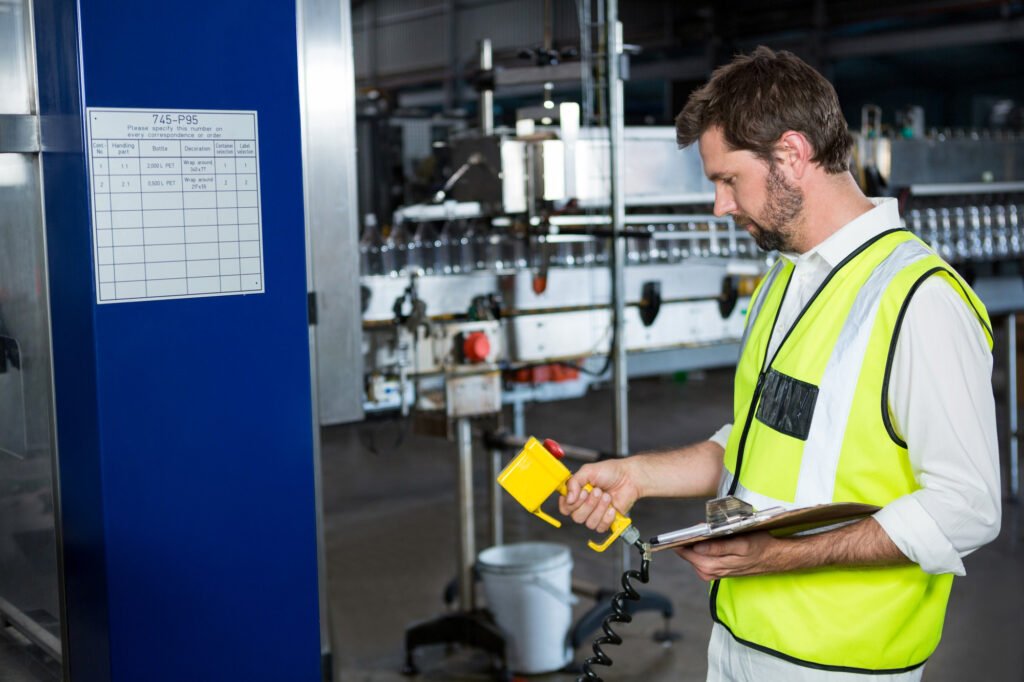
Industrial operations depend on machinery that performs consistently, safely, and efficiently. From manufacturing lines and material-handling systems to cutting machines and automated equipment, even a minor mechanical issue can disrupt production. This is why preventive equipment inspection should be treated as an essential part of daily operations rather than an occasional maintenance task. For businesses that rely on precision components, working with a reliable CNC Machining China supplier can also support consistent equipment performance by providing accurately manufactured parts and components.
Preventive inspection focuses on identifying early signs of wear, damage, misalignment, overheating, corrosion, or other problems before they develop into serious failures. By taking a proactive approach, industrial facilities can maintain productivity while reducing unexpected repair expenses and operational risks.
Reducing Unexpected Equipment Failures
One of the biggest advantages of regular equipment inspections is the ability to detect problems before they cause machinery failure. Industrial equipment operates under demanding conditions, often for long periods and at high speeds. Components can gradually deteriorate even when the machine appears to be working normally.
Routine inspections allow maintenance teams to identify warning signs such as unusual vibrations, fluid leaks, damaged belts, loose connections, abnormal temperatures, or excessive noise. Addressing these issues early is generally easier and less expensive than repairing a machine after a major breakdown.
Unexpected failures can also create a chain reaction. When one critical machine stops, connected production processes may have to stop as well. Preventive inspection helps reduce the likelihood of these interruptions and keeps operations more predictable.
Improving Workplace Safety
Equipment condition is closely connected to employee safety. Damaged machinery, worn components, faulty electrical connections, and poorly maintained systems can create serious hazards for workers.
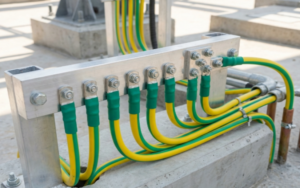
Regular inspections provide an opportunity to identify safety-related problems before employees are exposed to them. Maintenance teams can check protective guards, emergency stops, electrical systems, moving components, pressure systems, and other critical areas according to the equipment manufacturer’s recommendations and applicable safety requirements.
A strong inspection program also encourages a workplace culture where employees take equipment condition seriously. When workers are encouraged to report unusual sounds, movements, leaks, or performance changes, potential hazards can often be addressed before they become accidents.
Extending Equipment Lifespan
Industrial machinery represents a significant investment, so organizations naturally want their equipment to remain productive for as long as possible. Preventive inspection can contribute to a longer operating life by identifying conditions that cause unnecessary stress and deterioration.
For example, misalignment can place additional pressure on bearings and other moving components. Insufficient lubrication can increase friction and heat, while worn belts or improperly adjusted parts can reduce overall efficiency. If these conditions are discovered early, maintenance teams can correct them before they cause extensive damage.
Regular inspections therefore complement preventive maintenance. Instead of waiting until equipment stops working, businesses can manage wear and deterioration throughout the machine’s operating life.
Controlling Maintenance Costs
Reactive maintenance can be expensive because it often involves emergency labor, replacement parts, expedited shipping, and extended production downtime. Preventive inspection helps businesses shift from an emergency-driven maintenance model toward a planned approach.
When maintenance teams know which components are showing signs of deterioration, they can schedule repairs during planned shutdowns or less busy production periods. Replacement parts can also be ordered in advance, reducing the pressure associated with urgent repairs.
For manufacturers that use aluminum components in machinery, fixtures, frames, and production systems, selecting a dependable Aluminum Profile Manufacturer China can help ensure that replacement or newly fabricated profiles meet the required dimensional and application specifications.
Maintaining Production Quality
Equipment condition does not only affect whether a machine is running. It can also influence the quality of the products being manufactured. Machines that are worn, misaligned, or improperly calibrated may produce inconsistent results.
In precision manufacturing, small deviations can lead to rejected products, rework, material waste, and customer complaints. Regular inspections can help identify conditions that may affect accuracy and repeatability.
Checking calibration, alignment, tooling condition, pressure levels, temperature, and moving components can help maintain stable production conditions. This is particularly important in industries where products must meet strict dimensional or performance requirements.
Improving Energy Efficiency
Poorly maintained equipment may require more energy to perform the same task. Increased friction, clogged filters, worn components, poor lubrication, and inefficient motors can all contribute to unnecessary energy consumption.
Preventive inspections can reveal these inefficiencies and allow maintenance teams to correct them. Over time, even small improvements in energy performance can contribute to meaningful operational savings, particularly in facilities with large numbers of machines running continuously.
Energy efficiency also supports broader sustainability goals by helping organizations reduce unnecessary resource consumption without compromising production capacity.
Supporting Better Maintenance Planning
Preventive inspection provides valuable information for maintenance planning. Instead of relying entirely on fixed maintenance schedules, businesses can use inspection findings to understand the actual condition of their equipment.
Inspection records can show which components fail frequently, which machines require more attention, and where recurring problems are developing. Over time, this information can help maintenance managers prioritize resources more effectively.
Digital maintenance management systems can make this process even more useful. Inspection results, repair histories, component replacements, and equipment performance data can be recorded and reviewed to identify trends.
Creating a Consistent Inspection Process
An effective inspection program should be organized rather than informal. Each type of equipment should have an appropriate inspection checklist based on its design, operating conditions, manufacturer recommendations, and risk level.
Inspections may include visual checks, measurements, lubrication assessments, electrical testing, vibration monitoring, temperature checks, and other condition-monitoring techniques. Employees responsible for inspections should also receive suitable training so they understand what to look for and when a problem requires immediate attention.
Documentation is equally important. Recording inspection dates, findings, corrective actions, and follow-up requirements creates a useful maintenance history and helps ensure that identified issues are not forgotten.
Conclusion
Preventive equipment inspection is an important part of reliable industrial operations. It helps businesses identify problems early, reduce unexpected downtime, improve workplace safety, control maintenance expenses, extend machinery life, and maintain consistent product quality.
Rather than viewing inspections as an additional operational burden, industrial organizations can treat them as an investment in reliability and long-term performance. A structured inspection program, supported by accurate records and timely maintenance, allows businesses to address small problems before they become costly disruptions. Ultimately, keeping equipment in good condition helps create safer, more efficient, and more dependable industrial environments.
About The Author