2-5 Pin Watertight Connectors for Reliable Subsea Electrical Connections
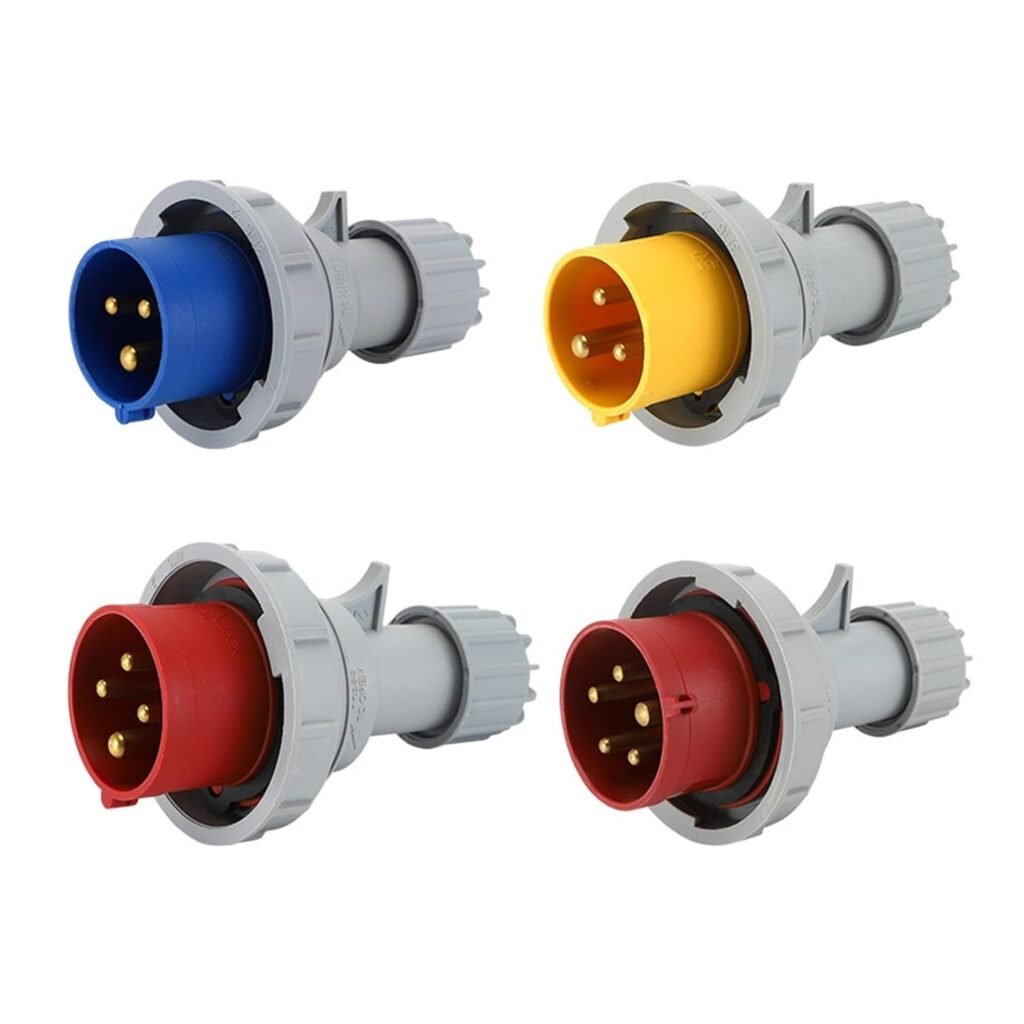
2-5 Pin Watertight Connectors
In underwater and marine environments, electrical connections must remain dependable even when exposed to water, pressure, vibration, and demanding operating conditions. Ordinary connectors may not provide the protection required for subsea equipment, which is why specialized watertight connection systems are commonly used in marine technology and underwater instrumentation.
2-5 Pin Watertight Connectors provide a practical solution for applications requiring compact electrical connections for power and signal transmission. HYSF Subsea offers a standard series covering 2-pin, 3-pin, 4-pin, and 5-pin configurations, with different cable, receptacle, plug, flange, oilfield, and right-angle options available.
Understanding 2-5 Pin Watertight Connectors
Watertight connectors are designed to help maintain electrical connectivity in environments where moisture and water exposure are major concerns. The number of pins determines how many electrical contacts are available within the connector, allowing engineers to select a configuration according to the requirements of their equipment.
The HYSF standard series includes 2-pin through 5-pin versions, with each configuration rated at 10A according to the manufacturer’s listed specifications. The series uses a 7/16-20UNF-2A mounting thread and is available in multiple connection styles for different installation requirements.
2-Pin Configuration
A 2-pin connector provides two electrical contacts and can be suitable for simpler power or signal connection requirements. It offers a compact option when an application does not require multiple electrical circuits.
3-Pin Configuration
Three-pin versions provide an additional contact for systems that require more than a basic two-contact arrangement. They can be considered for sensor systems and other subsea equipment where additional signal or electrical connections are required.
4-Pin and 5-Pin Options
Four- and five-pin configurations provide additional electrical contacts for equipment with more complex connection requirements. HYSF lists separate male and female cable assemblies, receptacles, plugs, flange receptacles, and other configurations across the 2-5 pin range.
Key Features of the Standard Series
The design of a subsea connector has a direct impact on the reliability of the complete electrical system. HYSF’s standard 2-5 pin series is designed around marine and underwater connection requirements and is available in different physical configurations.
The standard series uses POM as its listed standard material, with 316L stainless steel available as an optional material. The manufacturer also lists gold-plated copper contacts and high-temperature vulcanized neoprene rubber construction for the connector series.
These material choices are intended to provide a combination of electrical performance, mechanical strength, and environmental resistance for demanding underwater applications.
Different Connector Styles for Flexible Installation
One important advantage of the HYSF standard series is the range of available connection formats. Depending on the equipment layout, users can select inline cable assemblies, threaded receptacles, flange-mounted receptacles, oilfield receptacles, L-shaped cable versions, or protective plugs.
Inline Cable Assemblies
Inline male and female cable assemblies can be useful when a direct cable-to-cable connection is required. HYSF lists IL2M through IL5M and corresponding female versions within the standard series.
Bulkhead Receptacles
Bulkhead receptacles are useful when an electrical connection needs to pass through an enclosure or equipment housing. HYSF provides male and female threaded receptacle options as well as flange versions across the 2-5 pin range.
Right-Angle Designs
An L-shaped connector can help with cable routing where available space is limited or where a straight cable connection would interfere with surrounding components. The HYSF product range includes standard L-shaped male and female cable options from 2-pin through 5-pin.
Applications in Subsea Equipment
Watertight electrical connectors have applications across various marine and underwater technologies. Their ability to maintain electrical connections in challenging environments makes them suitable for equipment that operates below the water surface or in areas exposed to significant moisture.
HYSF identifies applications including oceanographic monitoring, hydrophone arrays, seismic monitoring equipment, environmental sensor packages, underwater cameras, lighting equipment, offshore energy infrastructure, and other subsea systems.
Oceanographic Monitoring
Oceanographic instruments frequently depend on reliable electrical connections between sensors, monitoring equipment, and underwater housings. Compact multi-pin connectors can help transmit power and signals between different components of these systems.
Underwater Cameras and Lighting
Underwater visual equipment requires dependable electrical connections because camera systems, monitoring devices, and lighting equipment may operate in environments where water exposure is unavoidable. Watertight connector assemblies can form an important part of these electrical systems.
Offshore and Marine Energy
Offshore installations and marine energy systems can expose electrical components to challenging environmental conditions. Appropriate connector selection can help engineers develop reliable connections between equipment modules and subsea infrastructure.
Why Connector Compatibility Matters
Compatibility is an important consideration when replacing or expanding subsea electrical systems. HYSF states that its standard 2-5 pin series is designed to be compatible with established subsea connector interfaces, including SubConn and Seacon profiles. This can be useful for projects where replacement components need to integrate with existing equipment.
Compatibility should always be confirmed against the exact connector specifications, dimensions, pin configuration, and application requirements before installation.
Selecting the Right Pin Configuration
Choosing between 2-pin, 3-pin, 4-pin, and 5-pin options depends on the electrical requirements of the equipment. Engineers should consider the number of required circuits, current requirements, available installation space, cable arrangement, and connection type.
For example, a simple electrical connection may only require two contacts, while a sensor or monitoring system may require additional pins for separate power and signal functions. Selecting the correct configuration from the beginning can make system integration easier and help avoid unnecessary modifications.
HYSF Subsea Connector Solutions
HYSFSubsea develops a broader range of underwater interconnection products beyond its standard 2-5 pin series. Its product portfolio includes standard and micro watertight connectors, Ethernet cable assemblies, round small connectors, ultra-small connectors, and other subsea connection technologies.
The company also provides customized engineering and OEM/ODM services for specialized underwater applications. This can be particularly useful when standard connector configurations do not fully match the requirements of a specific marine or subsea project.
Testing and Reliability Considerations
Subsea electrical connections need to be evaluated carefully because connector failure can affect the operation of equipment that may be difficult or expensive to access. HYSF states that its standard connector series undergoes hydrostatic pressure, insulation resistance, dielectric withstand, and dynamic continuity testing as part of its quality-control process.
When selecting a connector for a project, engineers should review the manufacturer’s technical documentation and verify that the connector’s pressure, current, voltage, material, dimensions, and mating requirements correspond with the intended application.
Final Thoughts
Reliable electrical connectivity is essential for underwater instrumentation, marine robotics, oceanographic equipment, offshore systems, and other subsea technologies. The standard 2-5 Pin Watertight Connectors range provides multiple pin configurations and connection styles for different system layouts. With male and female cables, bulkhead receptacles, flange options, L-shaped assemblies, plugs, and specialized configurations, HYSF Subsea provides flexible options for engineers working with demanding underwater electrical systems.
About The Author