Why Does Protein Quality Start with the Right Analysis Lab?
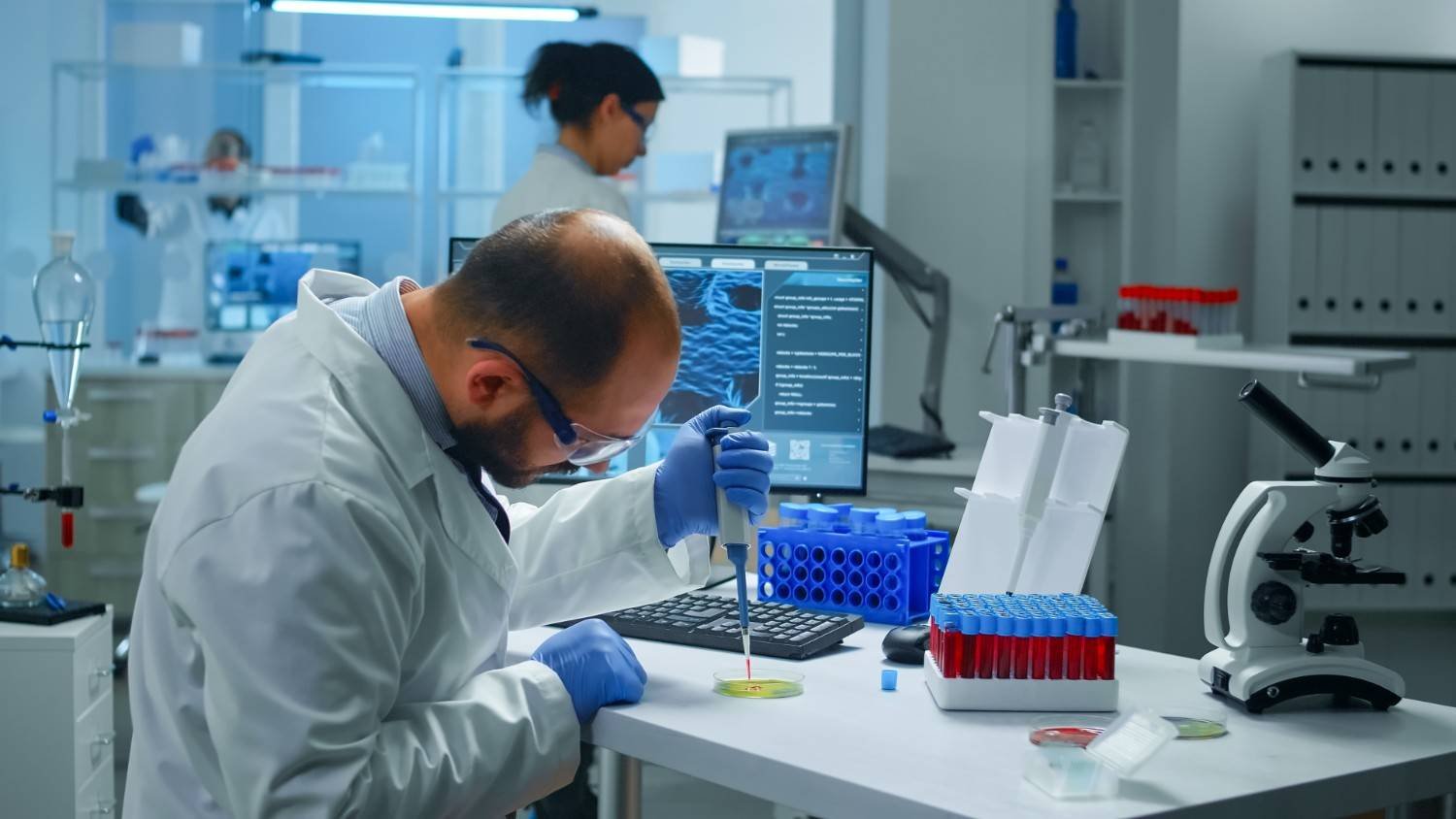
When you evaluate proteins for research, biotechnology, pharmaceuticals, food science, or quality assurance, every decision depends on reliable analytical data. Even the most advanced experiments can produce misleading conclusions if the protein analysis behind them is inaccurate or incomplete. That is why protein quality starts with choosing the right laboratory.
Whether you are developing biologics, validating manufacturing processes, or investigating protein expression, you need precise, reproducible, and scientifically sound testing. A trusted laboratory helps you understand your samples, identify potential issues early, and generate dependable results that support confident decisions.
Why Protein Analysis Matters More Than Ever
Proteins are complex molecules that influence nearly every biological process. Their concentration, purity, molecular weight, structure, and post-translational modifications all affect experimental outcomes and product performance.
Without accurate protein analysis, you may face challenges such as:
- Misidentified protein bands
- Poor reproducibility between experiments
- Inconsistent manufacturing quality
- Delayed research progress
- Higher development costs
- Regulatory compliance concerns
Professional protein characterization eliminates uncertainty by providing reliable data that supports research, product development, and quality control.
The Right Analysis Lab Builds Confidence
Not every laboratory offers the same level of expertise or analytical capability. When you select an experienced protein analysis laboratory, you gain access to advanced methodologies, standardized protocols, and skilled scientists who understand protein chemistry.
An experienced lab helps you:
- Verify protein identity
- Measure protein concentration accurately
- Detect impurities
- Analyze molecular weight
- Compare protein samples
- Support publication-quality research
- Improve manufacturing consistency
Reliable data allows you to move projects forward with greater confidence.
Accuracy Directly Impacts Protein Quality
Protein quality cannot be judged by appearance alone. Even highly purified samples may contain contaminants, degradation products, aggregates, or unexpected protein variants.
Comprehensive analytical testing provides critical information about your sample, including:
Protein Purity
Purity testing helps determine whether unwanted proteins or contaminants remain after purification.
Molecular Weight Verification
Protein migration patterns reveal whether the expected protein is present or if degradation has occurred.
Protein Integrity
Analytical methods help determine whether proteins remain intact throughout storage, purification, and experimental procedures.
Sample Consistency
Comparing multiple samples ensures consistent production between batches.
Each of these measurements contributes to better research outcomes and higher product quality.
Advanced Analytical Techniques Improve Results
A high-quality laboratory uses multiple complementary techniques rather than relying on a single analytical method.
Depending on your project, testing may include:
- SDS-PAGE
- Two-dimensional electrophoresis
- Western blotting
- Protein quantification
- Image analysis
- Comparative protein profiling
- Specialized protein characterization
Using multiple analytical approaches provides a more complete understanding of your protein samples.
Experience Makes a Difference
Protein analysis requires technical expertise that extends beyond running instruments.
Experienced scientists understand how sample preparation, buffer composition, staining methods, electrophoresis conditions, and image interpretation influence final results.
An established laboratory also knows how to troubleshoot difficult samples, optimize analytical conditions, and provide meaningful interpretation instead of simply reporting raw data.
This expertise reduces experimental errors while improving data quality.
Why Reproducibility Is Essential
Scientific research depends on reproducibility.
If protein analysis produces inconsistent results, your entire project may require additional validation or repeated experiments.
A professional laboratory maintains strict quality control procedures, standardized workflows, and validated protocols to ensure consistent analytical performance.
Reproducible data helps you:
- Publish stronger research
- Support regulatory submissions
- Validate manufacturing processes
- Improve collaboration between laboratories
- Save valuable time and resources
Consistency is one of the strongest indicators of laboratory quality.
Selecting the Best Protein Analysis Laboratory
Before choosing a laboratory, evaluate several important factors.
Look for laboratories that offer:
- Years of protein analysis experience
- Specialized protein expertise
- Comprehensive analytical services
- Modern instrumentation
- Detailed reporting
- Strong quality assurance practices
- Responsive scientific support
- Custom analysis capabilities
A laboratory that understands your research goals becomes an extension of your scientific team rather than simply a testing provider.
Reliable Data Supports Better Decisions
High-quality analytical data influences every stage of protein research.
You can use reliable protein analysis to:
- Optimize purification methods
- Validate recombinant protein production
- Compare experimental conditions
- Monitor product stability
- Improve manufacturing quality
- Detect unexpected protein changes
- Support scientific publications
Better analytical information leads to smarter scientific decisions.
Invest in Long-Term Research Success
Choosing the right laboratory is an investment rather than an expense.
Accurate testing reduces repeat experiments, minimizes troubleshooting, improves workflow efficiency, and increases confidence in your findings.
Working with an experienced laboratory also provides access to expert guidance when challenging protein samples require customized analytical solutions.
As research becomes increasingly complex, dependable protein characterization becomes even more valuable.
Conclusion
Protein quality begins with trustworthy analysis. Every experiment, manufacturing process, and quality control program relies on accurate protein characterization to produce meaningful results.
Instead of relying on incomplete or inconsistent testing, partner with a laboratory that combines scientific expertise, advanced analytical techniques, and rigorous quality standards. Reliable protein analysis strengthens research, improves reproducibility, and helps you make informed decisions with confidence.
To learn more about comprehensive Protein Analysis Lab services for advanced protein characterization and research support, explore the available analytical solutions designed to meet diverse scientific needs.
When you’re ready to discuss your project, Contact us today for expert protein analysis consultation and customized laboratory support.
Frequently Asked Questions
Why is choosing the right Protein Analysis Lab important?
The right Protein Analysis Lab delivers accurate, reproducible, and comprehensive data that supports reliable research, product development, quality control, and regulatory compliance.
What types of protein analysis are commonly performed?
Common analyses include protein quantification, SDS-PAGE, Western blotting, two-dimensional electrophoresis, molecular weight determination, purity assessment, and comparative protein profiling.
How does protein analysis improve research quality?
Accurate protein analysis identifies impurities, confirms protein identity, measures concentration, and validates experimental results, reducing errors and improving reproducibility.
Who benefits from professional protein analysis services?
Academic researchers, biotechnology companies, pharmaceutical manufacturers, food scientists, medical researchers, and quality assurance teams all benefit from professional protein analysis.
How can a Protein Analysis Lab support biologics development?
Protein analysis laboratories help verify product consistency, monitor purification processes, detect degradation, assess protein integrity, and generate analytical data required throughout biologics development.
When should you contact a Protein Analysis Lab?
You should contact a Protein Analysis Lab before beginning critical research, validating production processes, troubleshooting protein experiments, or when specialized analytical expertise is needed for complex protein samples.
About The Author