How Do Floating LED Thermometers Detect Temperature Change?
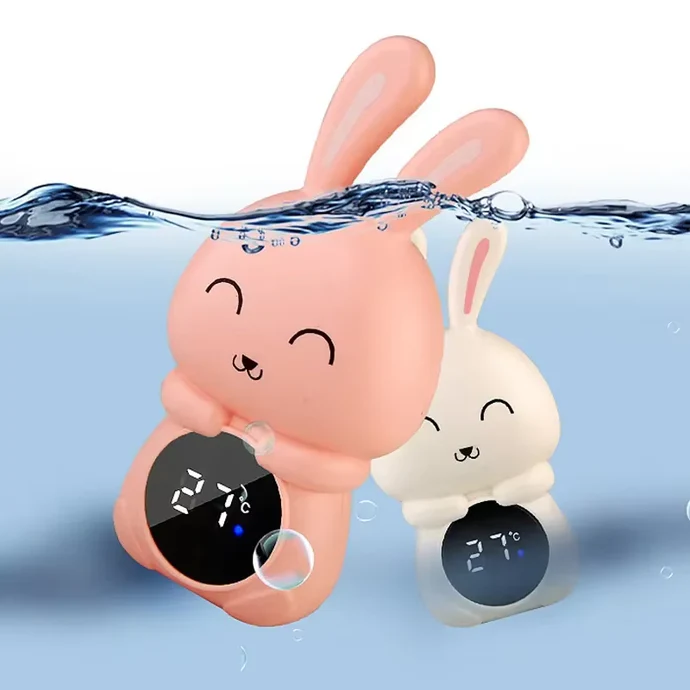
Bath time looks simple from the outside, but getting water temperature right matters more than most parents realize until something goes wrong. A Baby Bath Thermometer that floats and lights up seems almost too straightforward to trust, yet the technology behind it is more precise than the elbow test most of us grew up relying on.
The Basic Sensing Mechanism
Floating LED thermometers use a small internal sensor, usually a thermistor, that reacts to changes in surrounding water temperature. A thermistor is a resistor whose electrical resistance shifts predictably as temperature rises or falls. That shift is measured continuously and converted into a readable output.
Unlike older glass thermometers that relied on liquid expansion, thermistor based sensors respond within seconds. This speed matters because bath water can cool quickly or parents can add hot water, causing conditions to change faster than a slow analog device can track.
Why the LED Display Changes Color
Most floating models use color-coded LED lights rather than numeric displays alone, since a quick glance matters more than precise numbers when a wet, wriggling baby is already in the water.
- Blue or white light typically signals water that is too cold
- Green usually indicates a safe, comfortable bathing range
- Red or flashing light warns that water has gotten too hot
This color system exists because parents are rarely staring closely at a screen mid-bath. A fast visual cue works better than requiring someone to read exact numbers while managing a slippery, moving baby.
How Floating Design Improves Accuracy
Placement affects accuracy more than people expect. A thermometer resting at the very top of the water reads surface temperature, which can differ slightly from water lower in the tub, especially right after adding hot water that has not fully mixed.
Floating designs are built to sit partially submerged, which places the sensor closer to the water the baby actually experiences rather than just the surface layer. Some models also include a small weight at the base to keep them upright and consistently oriented, improving reading stability.
What Affects Sensor Response Time
Not all floating thermometers react at the same speed, and a few factors influence how quickly the reading updates.
- Sensor size, since smaller thermistors typically respond faster than bulkier ones
- Water movement, since still water reads more slowly than gently agitated water
- Battery condition, since a weakening battery can slow display updates in electronic models
- Calibration accuracy, since even small manufacturing variances affect precision over time
Testing a new thermometer against a known reference, such as a basic kitchen thermometer, is a reasonable way to confirm it is reading correctly before relying on it daily.
Common Misconceptions About These Devices
A few assumptions trip parents up when using floating thermometers for the first time.
Many assume the reading is instant, but most sensors need a few seconds of contact before stabilizing, so checking immediately after placing it in water can show a slightly inaccurate number. Others assume one reading at the start of the bath is enough, when temperature can shift meaningfully if hot water is added midway through.
It is also a common misconception that these devices replace manual checks entirely. They are a strong supporting tool, but combining a quick hand test with the thermometer reading adds an extra layer of confidence, particularly for parents still building trust in a new device.
Choosing a Reliable Model
Since accuracy varies across manufacturers, a few practical checks help separate a dependable thermometer from a less reliable one.
- Confirm the temperature range covers both safe and unsafe extremes clearly
- Check whether the display uses both color and numeric readout for added clarity
- Look for a battery indicator so response time does not degrade unnoticed
- Choose a model with a smooth, easy to clean surface to prevent bacterial buildup between uses
Why This Matters More Than It Seems
Skin sensitivity in infants is genuinely different from adult skin, since it is thinner and less developed in its protective barrier function. Water that feels comfortable to an adult’s hand can register differently against a baby’s more delicate skin, which is part of why relying on touch alone leaves room for error.
A floating LED thermometer removes some of that guesswork by giving a consistent, repeatable reading every time, rather than relying on a parent’s hand, which can vary in sensitivity depending on how warm or cold the room is at that moment.
Building It Into a Simple Routine
Rather than treating the thermometer as a one-time check, folding it into the same few steps each bath keeps the process quick and consistent.
- Fill the tub first, then drop the thermometer in before undressing the baby
- Wait a few seconds for the reading to stabilize before checking the color or number
- Recheck briefly if additional hot water is added partway through the bath
- Store it with other Baby Essentials near the tub so it becomes part of the regular setup rather than an extra step to remember
Building this small habit reduces the mental load of bath time, since the check becomes automatic rather than something to consciously remember each time.
FAQs
1. How accurate are floating LED bath thermometers?
Most models are accurate within a degree or two when properly calibrated, though checking against a reference thermometer once is a reasonable verification step.
2. Do these thermometers need batteries?
Some electronic LED models do require small batteries, while simpler thermochromic versions rely on temperature-sensitive material without any power source.
3. How long does it take for the reading to stabilize?
Typically a few seconds once the sensor is submerged, though very cold or very hot starting temperatures may take slightly longer.
4. Can I still test water temperature by hand if I use a thermometer?
Yes, combining a quick hand check with the thermometer reading adds an extra layer of confidence, especially with a new device.
5. Do floating thermometers work in all tub sizes?
Yes, they function in standard bathtubs and most baby bath seats, though placement near the center of the water gives the most representative reading.
About The Author