

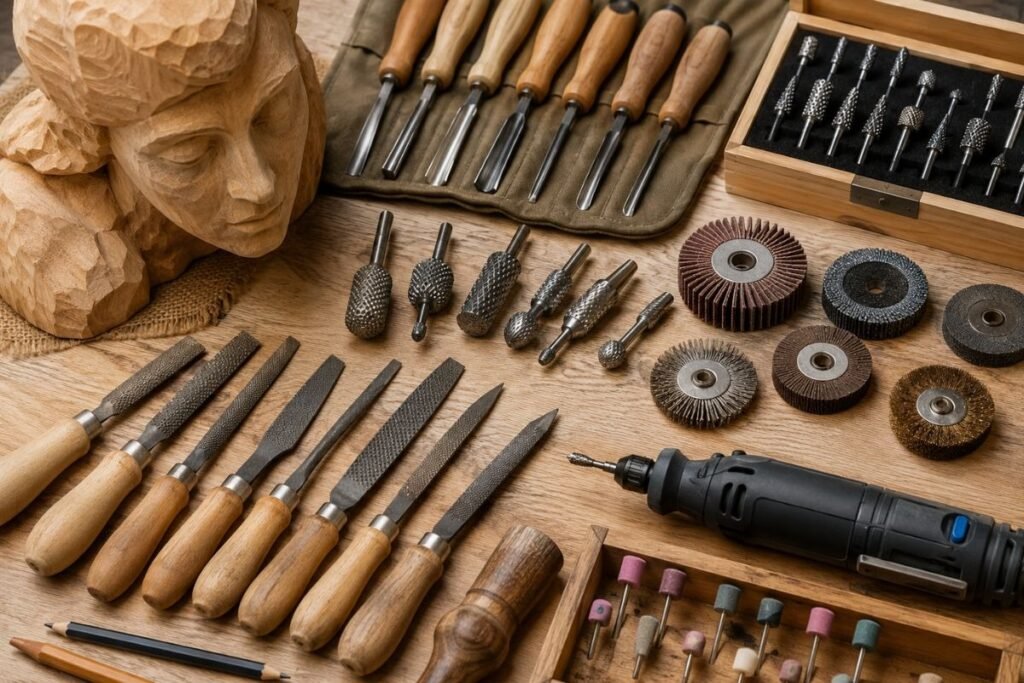
Wood sculpture is a timeless art form that combines creativity, craftsmanship, and technical skill. From decorative carvings and abstract designs to realistic figures and large-scale artistic installations, wood remains one of the most versatile materials for sculptural work. However, achieving precise shapes, textures, and details requires more than artistic vision alone. The quality and selection of tools play a major role in the success of any project.
Understanding the different tools for wood sculpture can help artists work more efficiently while improving the quality of their finished pieces. Whether you are a beginner or an experienced sculptor, choosing the right equipment is essential for achieving desired results.
Why Tool Selection Matters?
Every wood sculpture project involves a series of steps, including material removal, shaping, refining, and finishing. Different tools are designed to perform specific tasks during each stage of the process. Using the proper tools offers several advantages:
- Greater precision
- Improved efficiency
- Better surface quality
- Enhanced safety
- Reduced physical effort
Understanding the Stages of Wood Sculpture
Wood sculpting often progresses through multiple stages, each requiring different approaches and equipment.
Rough Shaping
The first stage involves removing large amounts of material to establish the basic form of the sculpture.
Refining the Shape
Once the general shape is created, sculptors begin developing contours, proportions, and structural details.
Adding Fine Details
The final carving stages focus on texture, intricate features, and surface refinement.
Finishing
Sanding, sealing, and surface treatments help protect the sculpture and enhance its appearance.
Different tools for wood sculpture support each of these stages, allowing artists to move efficiently from concept to completion.
Common Hand Tools Used in Wood Sculpture
Traditional wood sculpting relies heavily on hand tools that provide excellent control and precision.
Chisels
Chisels are among the most widely used carving tools. They help remove wood while creating clean edges and defined shapes.
Gouges
Gouges feature curved cutting edges that allow sculptors to create rounded forms, channels, and textured surfaces.
Mallets
Wooden mallets are often used to drive chisels and gouges through harder wood species.
Carving Knives
Knives are useful for detailed work and fine adjustments during later stages of sculpting.
Many artists continue to rely on these traditional tools because they offer exceptional control and tactile feedback throughout the carving process.
The Role of Modern Carving Equipment
Advancements in carving technology have expanded the options available to sculptors. Modern equipment can significantly speed up material removal and shaping tasks while maintaining precision.
When selecting tools for wood sculpture, many artists combine traditional hand tools with modern equipment to achieve both efficiency and detail.
Factors to Consider When Choosing Tools
Not all sculpting projects require the same equipment. Tool selection often depends on several factors.
Wood Type
Hardwoods and softwoods may require different cutting approaches and tool characteristics.
Project Size
Large sculptures often benefit from tools designed for rapid material removal, while smaller pieces require greater precision.
Skill Level
Beginners may prefer versatile tools that are easy to control, while experienced artists often build specialized tool collections over time.
Desired Detail Level
Intricate designs typically require finer cutting tools capable of producing detailed textures and features.
Maintaining Sculpting Tools
Proper maintenance is essential for both performance and safety. Sharp, well-maintained tools produce cleaner cuts and require less effort during use.
Important maintenance practices include:
- Regular sharpening
- Cleaning after use
- Proper storage
- Rust prevention
- Routine inspection for wear or damage
Well-maintained tools for wood sculpture can remain effective for many years, making them valuable long-term investments for artists and craftspeople.
Conclusion
Wood sculpture combines artistic expression with technical craftsmanship, and the quality of the finished work often depends on the tools used throughout the process. Understanding the functions of different carving tools allows artists to work more efficiently while achieving greater precision and control. Many sculptors also incorporate power carving tools into their workflow to accelerate shaping and material removal while maintaining the flexibility needed for creative expression.












Leave a Reply