

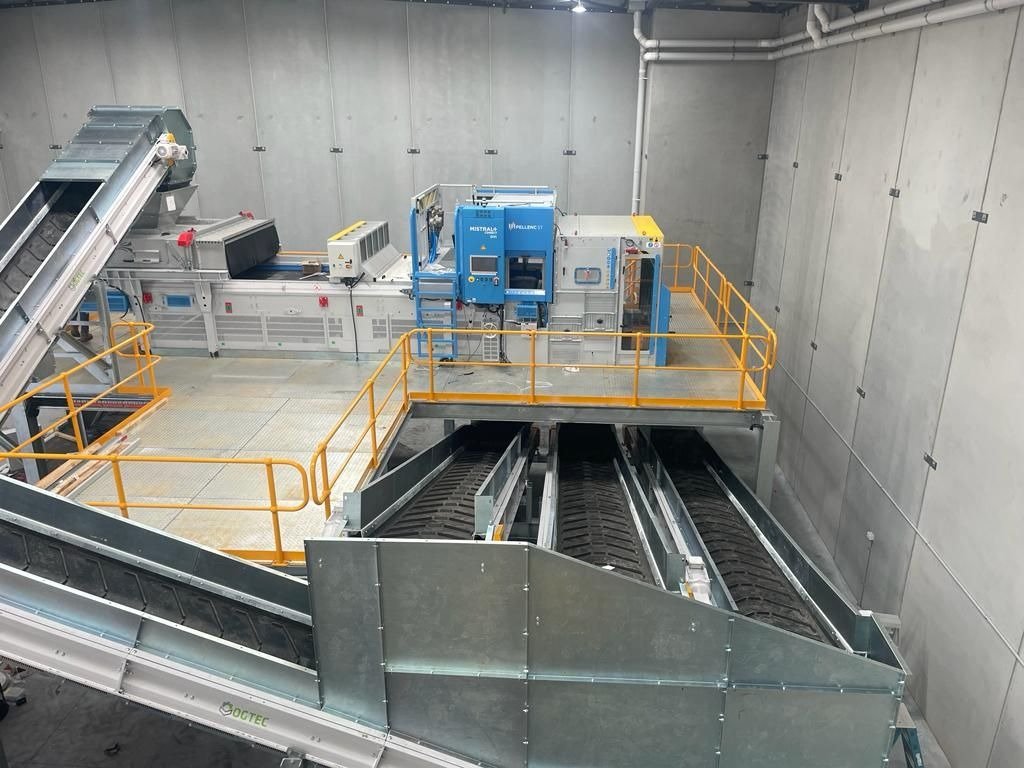
Waste management has become one of the most pressing priorities for businesses, councils, and communities across the country. As environmental regulations tighten and public awareness around sustainability continues to grow, the demand for effective and reliable recycling solutions in Australia has never been stronger. Whether you operate a small business or manage a large industrial facility, understanding your recycling responsibilities and the options available to you is essential for both compliance and environmental stewardship. Implementing efficient recycling practices not only reduces landfill waste but also helps organisations lower costs and contribute to a more sustainable future.
The Current State of Waste Management in Australia
Australia generates a significant volume of waste each year across residential, commercial, and industrial sectors, creating a growing need for effective recycling solutions in Australia. According to the Australian Department of Climate Change, Energy, the Environment and Water, Australia produced approximately 75.8 million tonnes of waste in the 2020–21 financial year. While recycling rates have improved considerably over the past decade, there remains substantial room for growth, particularly within the commercial and industrial sectors where waste volumes are highest.
The federal government’s National Waste Policy Action Plan sets clear targets for reducing waste sent to landfill and increasing the recovery of materials across all sectors. Businesses that align their operations with these targets not only contribute to a healthier environment but also position themselves favourably in an increasingly sustainability-conscious marketplace.
Key Categories of Recyclable Waste for Businesses
- Plastics: Industrial and commercial facilities generate large volumes of plastic packaging, wrapping, and containers. Many of these materials are recyclable through specialised collection and processing streams, though contamination remains a significant challenge that businesses must actively manage.
- Metals: Scrap metal from manufacturing, construction, and demolition activities has well-established recycling pathways in Australia. Metals such as steel, aluminium, and copper retain high recovery value and can be reprocessed indefinitely without loss of quality.
- Glass: Commercial glass waste from hospitality, retail, and food processing operations can be efficiently recycled into new glass products or used as aggregate in construction applications.
- Organics: Food waste and organic material from commercial kitchens, food manufacturers, and agricultural operations can be diverted from landfill through composting and anaerobic digestion processes that generate valuable soil amendments and biogas.
Why Businesses Are Prioritising Recycling Solutions?
The shift toward stronger recycling practices amongst Australian businesses is being driven by a combination of regulatory pressure, cost management, and corporate responsibility commitments. Landfill levies across most states and territories have increased considerably in recent years, making waste disposal a significant and growing operational expense. Investing in effective recycling solutions in Australia reduces the volume of material sent to landfill and directly lowers disposal costs over time.
Choosing the Right Recycling Partner for Your Business
Selecting a recycling service provider is a decision that should be made carefully. The right partner will conduct a thorough waste audit of your facility, identify the full range of recyclable materials being generated, and design a collection and processing solution tailored to your operational requirements and volume.
Look for providers with demonstrated experience across your specific industry sector, transparent reporting capabilities, and a clear commitment to maximising material recovery rates. Recycling solutions in Australia vary considerably in scope and capability, so taking the time to compare providers and understand exactly what happens to your materials after collection is always worthwhile.
Conclusion
Building a comprehensive waste management strategy is no longer optional for Australian businesses — it is a practical and commercial necessity. From reducing landfill costs to meeting sustainability targets, the benefits of investing in quality recycling solutions in Australia are both immediate and long-lasting. For facilities generating large volumes of paper and cardboard waste, industrial paper recycling offers a highly efficient and cost-effective pathway to divert significant material from landfill while recovering genuine value from what would otherwise be treated as a disposal burden.
















Leave a Reply