

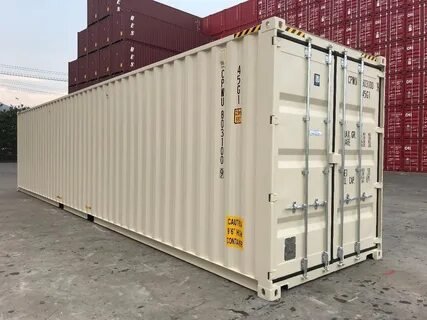
Choosing between new and used shipping containers depends entirely on your specific project needs, budget constraints, and aesthetic expectations. If you require a pristine structure with zero structural history for a high-end home build or a strict food storage setup, a new container is ideal. On the other hand, if you want a cost-effective solution for simple backyard storage or a rustic workshop, a used option offers incredible value. Finding quality shipping containers for sale can be tricky because buyers often struggle with balancing upfront costs against hidden repair needs. The practical solution is to match the condition of the box to the exact physical demands of your final application.
Understanding the Container Grading System
When you start looking at these steel boxes, you will quickly notice that people in the industry use specific terms to describe their condition. It is not just a matter of “good” or “bad” condition. The shipping industry relies on a clear grading system to tell buyers exactly what they are getting. Knowing these terms helps you avoid overpaying for a container that is too worn out for your needs.
One-Trip Containers (The “New” Standard)
A truly brand-new container does not really exist in the Western world. Almost all of them are built in Asia and make a single journey across the ocean carrying cargo to reach their destination country. Once they arrive and the cargo is unloaded, they are put up for sale.
These are called one-trip containers. They are the closest thing to new that you can buy. They have minimal wear, crisp paint, and virtually no rust. The floors inside are clean, and the doors seal tightly without any struggle.
Cargo Worthy (CWO) Containers
Cargo worthy containers are used, but they are still strong enough to be loaded onto an ocean vessel. To get this rating, a container must pass a strict inspection. The structure must be sound, the walls cannot have major bends, and the doors must seal completely to keep water out. If your project involves international shipping or requires a high level of structural strength, this is the grade you should look for.
Wind and Watertight (WWT) Containers
This is the most popular choice for general storage. Wind and watertight containers are no longer certified for ocean travel, but they still keep the weather out. They will have dents, surface rust, and mismatched paint from years of service at sea. However, if you step inside and close the doors, you will not see any daylight peeking through the walls or roof. They are dry, secure, and highly functional for everyday use on a farm or construction site.
As-Is Containers
These are the retirees of the shipping world. They have been damaged, heavily rusted, or worn down past the point of easy repair. Sellers offer them exactly as they sit in the yard. While they are very cheap, they often require significant welding, patching, and cleaning before you can use them safely.
The Pros and Cons of Going New
Buying a one-trip container feels a lot like buying a new car. It looks great right off the truck, but that fresh appearance comes with a higher price tag. Let us look closely at why you might want to spend the extra money, and why you might hesitate.
The Benefits of a Fresh Slate
The biggest advantage of a one-trip container is its physical condition. The metal walls are straight, which makes framing and interior insulation much easier if you are building a workspace or a small home. You do not have to spend hours pounding out dents or grinding away rust before you can apply a fresh coat of paint.
Another major benefit is peace of mind regarding chemical history. Shipping containers are built to withstand harsh ocean environments. Because of this, the wooden floors inside are often treated with industrial pesticides to prevent insects from traveling between countries.
Newer containers use safer, modern treatments, and they have not spent ten years carrying unknown industrial chemicals across the globe. If you plan to live inside the container or store sensitive goods, starting fresh is a massive advantage.
The Downsides to Consider
The only real drawback to a one-trip container is the upfront cost. They can easily cost twice as much as a standard used container. If you just need to store an old tractor, some building materials, or a stack of firewood, paying a premium for perfect paint and straight walls might not make financial sense.
The Reality of Buying Used
Used containers have a story to tell. They have spent years traveling on massive ships, sitting in busy ports, and being stacked high under the hot sun. They are imperfect, but they are incredibly practical.
Why Used Containers Make Sense
The primary reason people choose used units is the savings. By choosing a wind and watertight model, you save thousands of dollars that you can redirect toward other parts of your project, like interior shelving, electricity, or roofing.
Furthermore, using an old container is an excellent form of recycling. Instead of letting tons of steel sit idle in a port yard, you are giving it a second life as a functional structure.
The Challenges of Second-Hand Steel
When you buy used, you must accept cosmetic flaws. You will find patches where previous owners welded new steel over holes. You will see scratches from crane hooks and long streaks of rust where the original paint scraped off.
The doors can also be stiff. Over time, the hinges can sag slightly, meaning you might need to use a bit of muscle to throw the locking bars into place. If you plan to open and close the container multiple times every day, stiff doors can quickly become a daily annoyance.
Matching the Container to Your Specific Project
To make the right choice, you need to look past the price tag and look directly at what you want to achieve. Let us break down a few common projects and see which option fits best.
| Project Type | Best Choice | Reason |
|---|---|---|
| Home or Office Build | One-Trip (New) | Straight walls, clean history, easy to modify |
| Farm or Tool Storage | Wind & Watertight (Used) | Cost-effective, secure, cosmetics do not matter |
| Retail or Pop-Up Shop | One-Trip or Cargo Worthy | Needs to look professional to attract customers |
Export to Sheets
Living Spaces and Tiny Homes
If you are modifying a container into a backyard cabin, a guest house, or a home office, a one-trip container is almost always the right answer. When you cut holes for windows and doors, straight steel walls ensure that the frames fit snugly without gaps. Trying to seal a square window into a heavily warped, dented used wall can turn into a construction nightmare. Plus, the clean interior means you do not have to worry about old chemical spills hiding beneath the floorboards.
Simple Storage Solutions
For storing tools, lawnmowers, ATVs, or business inventory, a used wind and watertight container is tough to beat. The exterior might look a bit rough, but the interior will remain completely dry during heavy rainstorms. Your tools do not care if there is surface rust on the outside of the box as long as the water stays out.
Workshops and Creative Studios
This is a middle-ground project. If your workshop requires pristine cleanliness and complex electrical wiring, a new unit makes the job simpler. However, if you are running a welding shop, an auto repair space, or a dusty woodshop, a used container is perfect. You will not feel bad about accidentally scratching a wall or spilling oil on a floor that already has a lifetime of character.
Inspection Tips: What to Look For Before You Buy
If you decide to go the used route, inspecting the unit before it arrives at your property is crucial. If you cannot visit the supplier yard yourself, you should ask for detailed photos of the exact unit you are buying, not just generic stock photos.
During my years working around heavy equipment and logistics yards, I have learned that a container can look beautiful from twenty feet away but have serious issues up close. Here is a practical checklist to guide your inspection:
- Check the Roof: This is where water pools and rust forms first. Look closely for deep pockets of rust or poor patch jobs that might leak in the future.
- Smell the Interior: Step inside and close the doors for a moment. If you smell strong chemicals, heavy oil, or deep mold, walk away. Those scents are incredibly hard to remove.
- Test the Doors: Open and close both doors completely. The rods should twist smoothly, and the rubber gaskets around the edges should be intact, not dry-rotted or missing.
- Look for Daylight: Stand inside the container with the doors fully shut. Look up at the ceiling and along the corner seams. If you see any pinpricks of light, water will find its way inside.
During an inspection trip with C&C Container a while back, we looked at a batch of older units that seemed rough on the outside but were structurally immaculate inside. That experience proved that you should never judge a box solely by its faded paint. A solid frame and dry interior matter far more than a shiny exterior.
Final Thoughts: Making Your Decision
In the end, the choice between a new and used container comes down to form versus function.
If your project requires visual perfection, structural precision, and a clean history, save yourself the frustration and invest in a one-trip container. It will save you time, labor, and stress during the modification process.
However, if your goal is simple, secure storage or a rugged workspace where cosmetics do not matter, a used wind and watertight container is an outstanding tool. It does the exact same job of protecting your items from thieves and bad weather while keeping a large chunk of money in your wallet. Step back, look at the goals of your project, evaluate your budget honestly and choose the box that keeps your project moving forward smoothly.























Leave a Reply