Joint Design Basics for Steel Tubes Philippines Fabrication
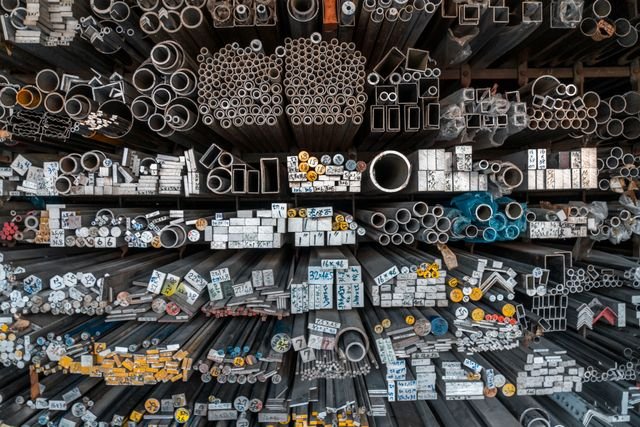
Joint design plays a critical role in the strength, durability, and safety of fabricated steel tube structures. Whether used in construction, industrial equipment, transportation, or infrastructure, steel tubes must be joined correctly to withstand expected loads and environmental conditions. A well-designed joint improves structural integrity, simplifies fabrication, and reduces the risk of premature failure. Understanding the fundamentals of joint design helps engineers, fabricators, and contractors achieve reliable results when working with Steel Tubes Philippines products.
Why Joint Design Matters
Maintains Structural Strength
The strongest steel tube can still fail if the joint is poorly designed. Proper joint configuration distributes loads evenly across connected sections, reducing stress concentrations. This improves the overall stability of the finished structure.
Supports Safe Fabrication
Clear joint designs help fabricators follow accurate welding, cutting, and assembly procedures. Consistent fabrication methods reduce errors and improve quality control throughout production. Well-planned joints also simplify inspection after assembly.
Extends Service Life
Joints are often exposed to repeated loading, vibration, and environmental conditions. Good joint design minimizes fatigue and helps prevent cracking over time. Reliable connections contribute to longer-lasting structures with lower maintenance requirements.
Common Joint Types for Steel Tubes
Butt Joints
A butt joint connects two steel tubes along their ends to create a continuous section. This design is commonly used when the connected members have similar dimensions and load requirements. Proper edge preparation and weld quality are essential for achieving maximum strength.
T-Joints
T-joints are formed when one steel tube connects perpendicular to another. These joints are frequently used in frames, supports, and structural assemblies. Buyers sourcing Steel Tubes Philippines for fabrication projects often use T-joints because they provide strong connections for load-bearing applications.
Corner and Angle Joints
Corner joints connect steel tubes at angled intersections to create frames and enclosures. Proper alignment is important to maintain structural accuracy and distribute forces evenly. These joints are widely used in architectural and industrial fabrication.
Factors That Influence Joint Performance
Material Compatibility
Steel tubes should have compatible material grades to achieve reliable welding and consistent structural performance. Mismatched materials may respond differently during fabrication, affecting joint quality. Selecting suitable materials improves long-term durability.
Load Distribution
Joint design should account for the direction and magnitude of expected loads. Proper load transfer reduces localized stress and improves structural efficiency. Understanding load paths also supports safer engineering decisions.
Weld Accessibility
Fabricators need sufficient space to perform quality welds and inspections. Difficult-to-reach joints increase the likelihood of incomplete weld penetration or inconsistent workmanship. Practical joint layouts improve fabrication quality while reducing production time.
Best Practices During Fabrication
Maintain Accurate Fit-Up
Steel tubes should fit together precisely before welding begins. Proper alignment minimizes gaps and reduces the need for excessive filler material. Accurate fit-up also improves weld consistency and structural performance.
Follow Approved Welding Procedures
Qualified welding procedures help ensure joints meet design specifications and industry standards. Consistent welding techniques reduce defects such as porosity, undercutting, and incomplete fusion. Proper procedures also improve repeatability across production batches.
Inspect Completed Joints
Visual inspections and non-destructive testing help verify joint quality after fabrication. Identifying defects early reduces the risk of structural problems during service. Companies using Steel Tubes Philippines for critical projects often include routine inspections as part of their quality assurance process.
Selecting the Right Steel Tubes and Supplier
Match Tube Specifications to the Application
Wall thickness, diameter, and material grade all influence joint performance. Selecting the correct specifications supports reliable fabrication and long-term structural strength. Engineering requirements should guide material selection from the beginning.
Work With Experienced Suppliers
Knowledgeable suppliers understand how different tube specifications affect fabrication and joint performance. They can recommend products that align with structural requirements and manufacturing methods. Expert guidance reduces the likelihood of costly material selection errors.
Prioritize Consistent Product Quality
Uniform dimensions and dependable material properties simplify fabrication while improving joint consistency. High-quality steel tubes also support more predictable welding results. Reliable products contribute to efficient manufacturing and stronger finished structures.
Key Takeaway
Reliable fabrication starts with well-designed joints that provide the strength, stability, and durability needed for steel tube structures to perform safely over time. Selecting the appropriate joint type ensures loads are transferred efficiently between connected members, while proper fit-up allows accurate alignment and minimizes gaps before welding begins. Following approved welding procedures produces strong, consistent connections that meet engineering standards, and thorough inspections help identify defects before they affect structural performance. Equally important is using high-quality Steel Tubes Philippines products from a trusted supplier, as consistent dimensions, material properties, and manufacturing quality support accurate fabrication, reliable welding, and dependable structural integrity across construction, industrial, and manufacturing projects.
About The Author