How a Polycarbonate Sheet Supplier Matches Thickness
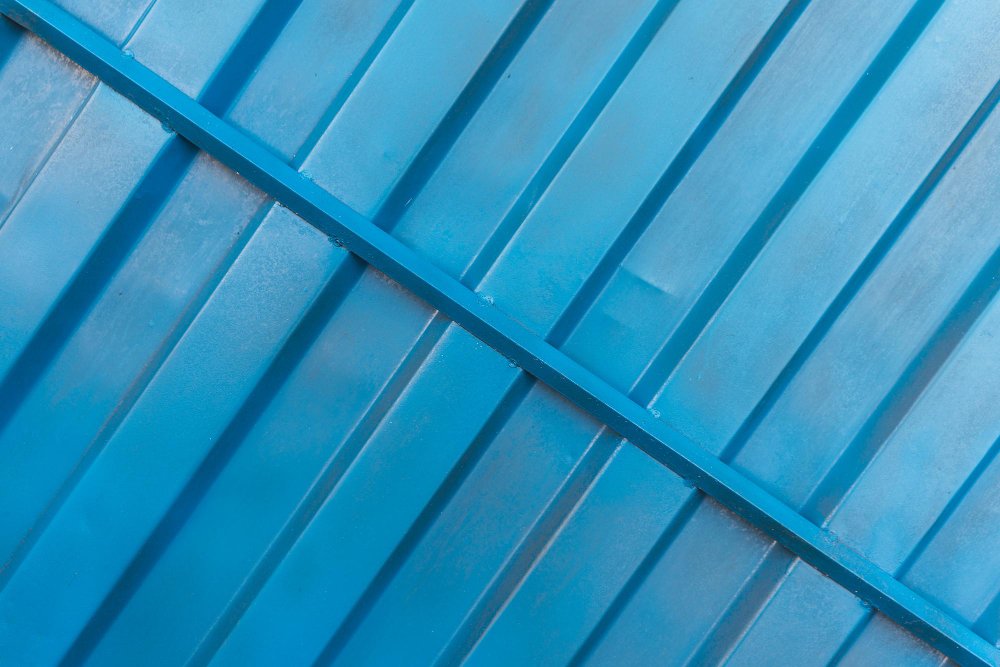
Polycarbonate sheets are commonly used for roofing, skylights, wall panels, greenhouses, canopies, and industrial applications because of their durability, lightweight structure, and impact resistance. However, selecting the correct sheet thickness is critical for ensuring structural stability, weather resistance, and long-term performance under different load conditions. A Polycarbonate Sheet Supplier in the Philippines evaluates factors such as roof span, wind exposure, rainfall intensity, impact risk, and support spacing when recommending appropriate thickness levels for specific projects. Proper thickness selection helps prevent sagging, cracking, deformation, and premature structural failure.
Understanding how suppliers match polycarbonate thickness to load requirements allows contractors, engineers, and property owners to achieve safer, more efficient, and longer-lasting installations.
Load Requirements Affect Thickness Selection
Different Projects Require Different Strength Levels
Polycarbonate applications vary widely between residential, commercial, agricultural, and industrial environments. Roofing systems exposed to heavy rain or strong winds require thicker panels compared to lightweight interior partitions or decorative installations. Suppliers assess structural demands carefully before recommending materials. Proper thickness selection improves safety and durability.
Environmental Conditions Influence Material Stress
Tropical weather conditions place additional stress on roofing and outdoor panel systems because of heavy rainfall, intense sunlight, and strong wind exposure. Polycarbonate sheets must withstand both static and dynamic loads without losing structural stability. Stronger materials improve long-term weather resistance and operational reliability. Environmental analysis supports better product recommendations.
Roof Span Determines Structural Support Needs
Wider Spans Require Thicker Panels
Polycarbonate sheets installed across large unsupported spans experience greater structural pressure over time. Wider spacing between support frames increases the likelihood of flexing or sagging if thinner panels are used. Suppliers typically recommend thicker sheets for larger roofing spans to maintain stability. Stronger panels improve load distribution and safety.
Proper Support Spacing Improves Performance
Thickness recommendations often depend on the distance between structural supports beneath the polycarbonate panels. Closer support spacing may allow the use of thinner materials without compromising structural integrity. Balanced framing reduces unnecessary stress on the panels. Proper spacing improves installation efficiency and reliability.
Wind Load Resistance Improves Roof Stability
Strong Winds Increase Structural Pressure
Buildings located in open areas or storm-prone regions often experience high wind loads that place upward and lateral pressure on roofing systems. Thin polycarbonate sheets may flex excessively or detach during severe weather conditions. Suppliers recommend thicker panels for projects exposed to stronger wind forces. Better resistance improves installation safety.
Reinforced Panels Improve Outdoor Performance
Industrial facilities, warehouses, and commercial structures frequently require polycarbonate sheets capable of handling higher environmental stress. Reinforced or thicker panels improve impact resistance and structural rigidity under changing weather conditions. Stronger materials support long-term operational durability. Structural reinforcement improves weather protection.
Rainfall Load Influences Material Thickness
Heavy Rain Adds Roof Weight
Tropical climates experience periods of intense rainfall that create temporary water loads on roofing systems. Polycarbonate panels must support this additional weight without excessive bending or water pooling. Suppliers evaluate rainfall exposure when determining appropriate sheet thickness. Proper sizing improves drainage performance and structural stability.
Water Accumulation Increases Stress Risks
Poor roof slope or drainage systems may cause temporary water buildup that places concentrated stress on polycarbonate panels. Thicker materials help reduce deformation risks caused by standing water pressure. Improved structural support minimizes long-term roof damage. Better thickness selection strengthens weather resistance.
Impact Resistance Depends on Material Thickness
Thicker Panels Handle Stronger Impacts
Polycarbonate sheets are valued for their impact resistance, but thicker materials provide greater protection against falling debris, hail, and accidental contact. Outdoor structures located near trees or industrial zones often require enhanced impact durability. Suppliers match thickness levels based on expected environmental risks. Stronger panels improve operational safety.
Industrial Applications Require Higher Durability
Factories, warehouses, and transportation facilities may expose polycarbonate systems to mechanical stress or operational impact hazards. Thicker sheets provide additional protection against cracking and structural failure in demanding environments. Increased durability supports long-term material performance. Heavy-duty applications require stronger structural support.
Thermal Expansion Influences Thickness Planning
Heat Exposure Affects Material Movement
Polycarbonate sheets expand and contract because of temperature fluctuations throughout the day. Thicker panels often provide better structural stability during thermal movement compared to thinner materials. Suppliers consider heat exposure levels when recommending sheet thickness for outdoor applications. Improved thermal resistance supports long-term reliability.
Structural Flexibility Reduces Stress Damage
While thicker panels improve strength, proper installation remains important to allow controlled thermal expansion. Suppliers recommend balancing material thickness with adequate expansion allowances and support spacing. Proper flexibility reduces cracking and warping risks over time. Balanced installation improves structural durability.
Multiwall Panels Improve Load Distribution
Multiwall Designs Increase Structural Efficiency
Multiwall polycarbonate sheets contain internal chambers that improve rigidity while maintaining lightweight performance. These structures distribute loads more effectively compared to thinner single-layer panels. Suppliers often recommend multiwall systems for roofing projects requiring improved insulation and structural support. Efficient load distribution strengthens roof stability.
Lightweight Strength Improves Installation Efficiency
Despite their enhanced rigidity, multiwall sheets remain lighter than many traditional roofing materials. Reduced weight lowers structural strain on support systems while maintaining reliable load-bearing performance. Lightweight materials improve installation convenience and operational flexibility. Efficient designs support safer construction practices.
Application Type Guides Thickness Recommendations
Residential Projects Require Balanced Performance
Homes, patios, carports, and outdoor living spaces often prioritize natural lighting, appearance, and moderate weather resistance. Suppliers usually recommend thickness levels that balance durability, cost efficiency, and visual performance for residential applications. Proper sizing improves both aesthetics and functionality. Balanced materials support long-term residential use.
Commercial Facilities Need Higher Structural Capacity
Commercial and industrial structures often experience larger roof spans, heavier environmental exposure, and higher operational demands. Suppliers typically recommend thicker or reinforced polycarbonate systems for these applications to maintain long-term structural integrity. Stronger materials improve workplace safety and operational reliability. Commercial projects require enhanced durability.
Installation Quality Supports Load Management
Incorrect Installation Weakens Performance
Even properly sized polycarbonate sheets may fail if installed incorrectly or supported inadequately. Poor fastening, uneven framing, or improper spacing increases stress concentration on the material. Suppliers often provide installation guidance to ensure that thickness recommendations perform effectively. Correct installation improves structural stability.
Professional Setup Improves Long-Term Results
Experienced installers understand how to align support systems, manage expansion allowances, and secure panels without creating excessive pressure points. Professional workmanship helps maximize the load-bearing capacity of polycarbonate systems. Skilled installation improves operational reliability and material lifespan. Proper setup supports safer structures.
Maintenance Helps Preserve Structural Integrity
Routine Inspections Identify Weak Areas
Regular inspections help detect sagging, cracks, loose fasteners, or support issues that may affect load-bearing performance over time. Early maintenance prevents minor structural concerns from developing into major failures. Preventive care improves roof safety and operational reliability. Ongoing monitoring strengthens long-term performance.
Cleaning and Drainage Reduce Excess Stress
Debris buildup and blocked drainage systems may increase unnecessary weight and moisture exposure on polycarbonate roofing systems. Routine cleaning helps maintain proper water flow and reduce structural strain during heavy rainfall. Better maintenance improves material longevity and load management. Clean systems perform more efficiently.
Key Takeaway
Matching polycarbonate sheet thickness to load requirements is essential for maintaining structural stability, weather resistance, and long-term performance across roofing and panel applications. A Polycarbonate Sheet Supplier in the Philippines evaluates factors such as roof span, wind pressure, rainfall exposure, impact risks, thermal movement, support spacing, and project type when recommending appropriate material thickness for specific environments. Proper thickness selection helps reduce sagging, cracking, water damage, and structural stress while improving operational safety and installation durability. Professional installation, balanced framing, and regular maintenance further strengthen the load-bearing performance of polycarbonate systems in demanding tropical conditions.
About The Author