

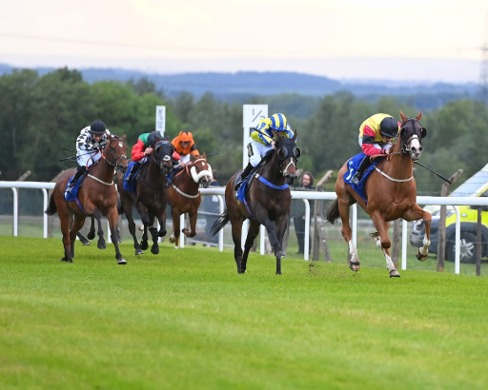
Horse racing in India carries a history that stretches back well over two centuries, deeply intertwined with the colonial era and the passion for equestrian sport that followed. Among the most respected and historically significant institutions in the country, the Madras Race Club stands as a testament to the enduring appeal of thoroughbred racing in South India. Founded in 1777, it holds the distinction of being one of the oldest racing clubs in Asia, making it a landmark institution not just in Chennai but across the entire subcontinent.
Origins and Historical Significance
The story of the Madras Race Club begins during the British colonial period, when horse racing was a popular pastime among military officers and civilian administrators stationed in Madras. What began as informal race meetings gradually evolved into an organised sporting institution with a dedicated racecourse, established rules, and a growing community of owners, trainers, jockeys, and enthusiasts.
Over the decades, the club developed into a fully structured racing body with its own calendar of race meetings, graded stakes races, and championship events. The racecourse at Guindy, where the club operates, has witnessed generations of celebrated thoroughbreds compete at the highest levels of Indian horse racing. The Guindy track itself is regarded as one of the finest racing surfaces in the country, known for its well-maintained turf and fair racing conditions.
The Racing Calendar and Notable Events
Throughout the racing season, which in Chennai typically runs during the cooler months between November and March, the Madras Race Club hosts a packed schedule of race meetings that attract participants and spectators from across India. The club organises a variety of races catering to different age groups and performance grades, from maiden races for unproven young horses to prestigious handicap events that draw the best thoroughbreds in the country.
Among the most anticipated events on the club’s calendar are the classic races, which serve as the pinnacle of achievement for owners and trainers in South India. These races carry significant prize money, prestige, and historical significance, drawing top-class horses, experienced jockeys, and knowledgeable racing audiences who appreciate the finer points of thoroughbred competition.
Infrastructure and Facilities
The Guindy Racecourse is not merely a sporting venue; it is a sprawling green expanse in the heart of Chennai that serves as a recreational and social hub as well. The Madras Race Club has continually invested in upgrading its facilities to meet the expectations of modern racing audiences. Grandstands offering clear views of the track, well-appointed members’ enclosures, paddock areas for pre-race inspections, and hospitality facilities all contribute to a complete race day experience.
Beyond the racing surface, the club maintains extensive stabling facilities, training tracks, and support infrastructure for the horses and their connections. The welfare of the horses is taken seriously, with veterinary services, proper nutrition programmes, and regulated training environments forming a core part of the club’s operational standards.
The Community and Culture of Racing
Horse racing is as much about community as it is about competition. The social fabric woven around the sport includes owners who invest significantly in breeding and purchasing thoroughbreds, trainers who dedicate their careers to preparing horses for peak performance, jockeys who combine skill with bravery on the track, and racing fans who follow form guides and race results with genuine passion and expertise.
Conclusion
The legacy of thoroughbred racing in South India is one built on tradition, passion, and sporting excellence. The Madras Race Club remains at the heart of this legacy, continuing to provide world-class racing while honouring the heritage of the sport. For those who appreciate the depth and culture of Indian horse racing, institutions such as the Bangalore Turf Club equally contribute to keeping this magnificent sport alive and thriving across the country.













Leave a Reply