Intro to Islam: Beliefs, Practices & Global Impact
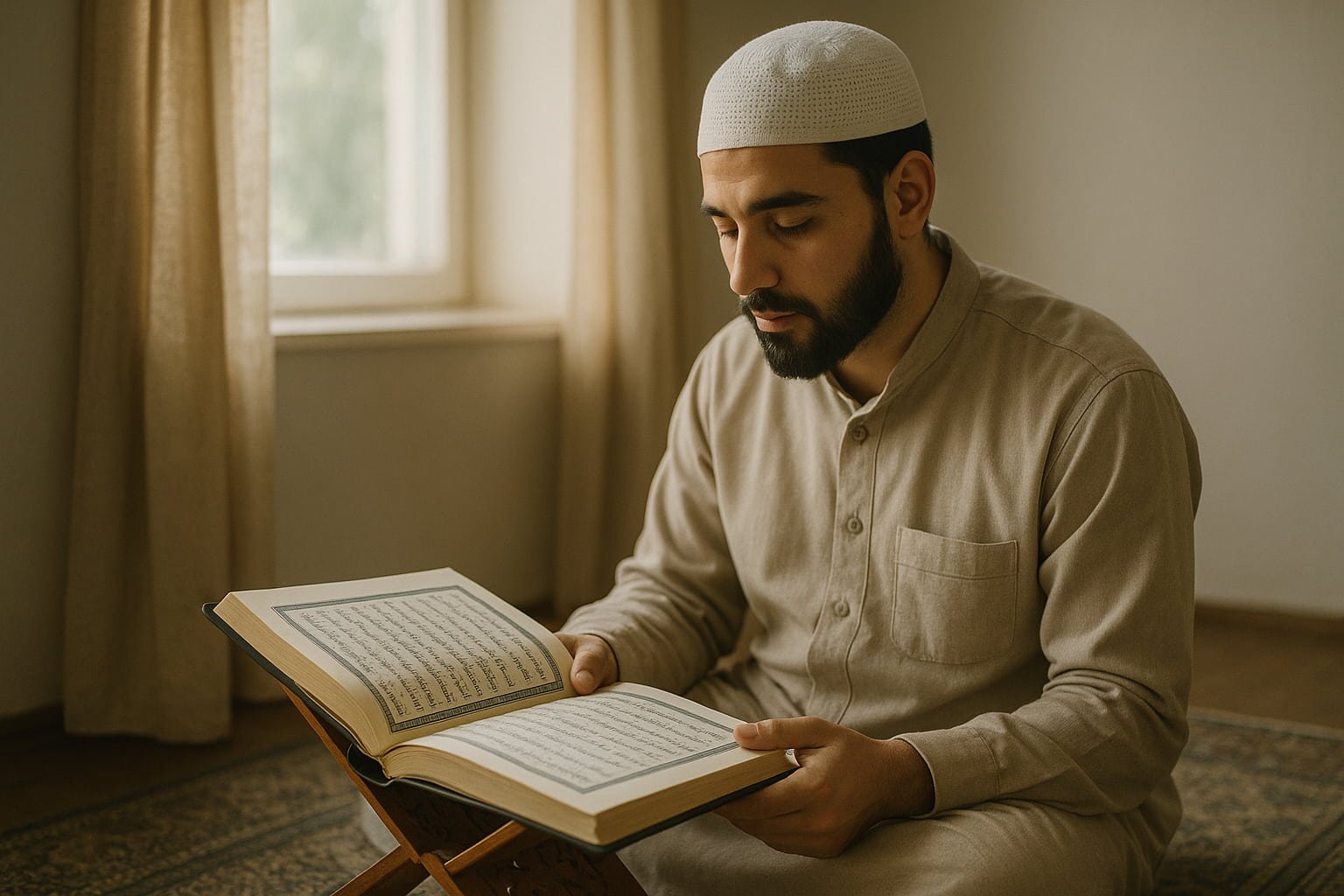
Islam, followed by over 1.9 billion people worldwide, is a faith that shapes spiritual, cultural, and social lives across diverse regions. For those eager to learn about its essence, an Islam article provides a clear and engaging introduction to its core beliefs, practices, and historical significance. This guide offers a detailed yet accessible overview, designed to inform readers at any stage of their learning journey, from beginners to those seeking deeper understanding.
The Foundations of Islam
Islam, meaning “submission” in Arabic, centers on surrendering to the will of Allah, the one true God. Founded in 7th-century Mecca, it was revealed through the Prophet Muhammad, whose teachings continue to guide Muslims globally. An Islam article often highlights the faith’s focus on monotheism, ethical conduct, and community unity as its defining features.
Historical Origins
Islam emerged in the Arabian Peninsula, a region of tribal traditions and varied religious practices. Around 610 CE, Muhammad, a respected merchant, began receiving divine revelations from Allah through the angel Gabriel. These revelations, compiled into the Quran, called for devotion to one God and social reform, uniting tribes into a faith-based community. This transformative period is a key focus in any Islam article, underscoring the religion’s rapid spread.
The Prophet Muhammad’s Role
Muhammad is revered as the final prophet in a lineage that includes Abraham, Moses, and Jesus. His life, documented in the Sunnah, serves as a model for compassion, leadership, and faith. His efforts in establishing a cohesive Muslim community laid the foundation for Islam’s enduring legacy.
The Five Pillars: Guiding Principles
The Five Pillars of Islam provide a framework for spiritual and practical life, balancing personal devotion with social responsibility. They include:
- Shahada (Faith): Declaring that there is no god but Allah and Muhammad is His messenger, a fundamental commitment to the faith.
- Salah (Prayer): Performing five daily prayers at dawn, noon, afternoon, evening, and night, facing the Kaaba in Mecca, to foster discipline and connection with Allah.
- Zakat (Charity): Donating 2.5% of one’s wealth annually to support the needy, promoting generosity and social equity.
- Sawm (Fasting): Fasting during Ramadan from dawn to sunset, abstaining from food, drink, and other needs, to cultivate self-control and empathy.
- Hajj (Pilgrimage): Undertaking a pilgrimage to Mecca at least once, if physically and financially able, symbolizing unity and devotion.
These pillars, often explored in an Islam article, guide Muslims in aligning their lives with their faith and community.
The Quran: Islam’s Sacred Text
The Quran, believed to be the literal word of Allah, is the cornerstone of Islamic teachings. With 114 chapters, or surahs, it offers guidance on spirituality, morality, and societal norms. Muslims engage with the Quran through recitation, memorization, and study, seeking its timeless wisdom.
Key Themes of the Quran
The Quran emphasizes:
- Tawhid (Oneness of God): Affirming the belief in one God and rejecting idolatry.
- Ethical Conduct: Encouraging virtues like honesty, kindness, and patience.
- Prophetic Narratives: Stories of prophets like Noah, Abraham, and Jesus, teaching lessons of faith and perseverance.
- Social Guidelines: Rules for family, trade, and justice, aiming for a balanced society.
An Islam article often encourages readers to explore the Quran through translations to understand its universal messages.
Hadith and Sunnah
The Hadith, collections of the Prophet’s sayings and actions, complement the Quran. The Sunnah, derived from these, provides practical examples of applying Islamic teachings, from daily habits to community interactions, forming the basis for Islamic law and ethics.
Islam in Daily Life
Islam is a way of life, influencing choices in diet, dress, and social behavior. Muslims strive to align their actions with their faith, creating harmony between spiritual and worldly responsibilities.
Halal Dietary Practices
Muslims follow halal dietary guidelines, which include:
- Avoiding pork and intoxicants like alcohol.
- Consuming meat prepared through Islamic slaughter methods.
- Ensuring food is clean and ethically sourced.
These practices, often discussed in an Islam article, reflect a commitment to physical and spiritual purity.
Family and Community Values
Family is central to Islamic life, emphasizing respect for parents, care for children, and strong marital bonds. Community activities, such as Friday prayers at the mosque, foster unity and mutual support. Beyond zakat, Muslims are encouraged to perform acts of kindness and charity, strengthening social ties.
Modesty in Appearance and Behavior
Modesty is a core value, expressed through attire and conduct. Many Muslim women wear hijab as a sign of faith and identity, while men adhere to modest dress codes, typically covering from the navel to the knees. These practices vary but are rooted in humility and devotion to Allah.
Islam’s Global Reach
Islam’s influence spans continents, with communities in Asia, Africa, Europe, and the Americas. Its ability to adapt to local cultures while preserving core principles highlights its universality.
Contributions to Civilization
During the Islamic Golden Age (8th to 13th centuries), Muslim scholars advanced fields like algebra, astronomy, and medicine, preserving ancient knowledge and making new discoveries. Architectural landmarks, such as the Dome of the Rock and the Taj Mahal, showcase Islamic artistry. An Islam article often highlights these contributions to illustrate the faith’s historical impact.
Addressing Modern Misconceptions
Misconceptions about Islam, often fueled by media, can obscure its true teachings. An Islam article clarifies that the faith promotes peace, with verses like “There is no compulsion in religion” (Quran 2:256) emphasizing freedom and compassion. Extremism is rejected by the vast majority of Muslims as contrary to Islamic values.
Women in Islam
Islam grants women spiritual equality and rights to education, property, and marital consent. Historical figures like Aisha, a scholar and wife of the Prophet, highlight women’s contributions. While cultural practices may vary, the faith’s core teachings advocate for women’s dignity and empowerment.
Education and Leadership
The Prophet’s saying, “Seeking knowledge is obligatory for every Muslim,” applies to both genders. Today, Muslim women excel in fields like science, politics, and education, balancing faith with modern aspirations.
Common Misconceptions About Islam
An Islam article often addresses myths to provide clarity:
- Islam and Violence: The Quran condemns unjust violence, stating that killing one person is like killing all of humanity (5:32).
- Jihad: Often misunderstood, jihad primarily refers to personal striving for righteousness, not warfare.
- Women’s Rights: Islam grants women significant rights, though cultural practices in some regions may differ from religious teachings.
Exploring Islam Further
To deepen understanding, engage with Muslim communities or study Islamic texts. Mosques and cultural events offer opportunities for dialogue, while translations of the Quran provide direct access to its teachings.
Connecting with Communities
Many mosques host open days or interfaith events, welcoming visitors to learn and ask questions. These experiences offer authentic insights into Islamic practices and values.
Resources for Learning
Translations of the Quran, such as those by Yusuf Ali or Saheeh International, are widely available. Scholarly books and online platforms provide additional context for exploring Islam.
FAQs About Islam
What does Islam mean?
Islam means submission to Allah’s will, emphasizing devotion and righteous living.
How many Muslims are there globally?
Approximately 1.9 billion, making Islam the second-largest religion worldwide.
What is the Quran’s role?
The Quran is Islam’s holy book, offering divine guidance for all aspects of life.
Why do Muslims pray five times a day?
Daily prayers maintain a spiritual connection with Allah, fostering discipline and gratitude.
What is Ramadan?
Ramadan is a month of fasting from dawn to sunset, focusing on spiritual growth and empathy.
Is Islam compatible with modern life?
Yes, Muslims integrate faith with modern roles in education, technology, and civic life.
What is the purpose of Hajj?
Hajj is a pilgrimage to Mecca, symbolizing unity and devotion, required once for those who are able.
How does Islam view other faiths?
Islam respects Abrahamic religions like Judaism and Christianity, recognizing their prophets while following its unique path.
This Islam article offers a clear and respectful introduction to the faith, encouraging readers to explore its teachings and engage with its global community. Whether new to Islam or seeking deeper insight, its principles provide a rich foundation for reflection and connection.
About The Author