Outsourcing Plastic Injection Molding Services from China
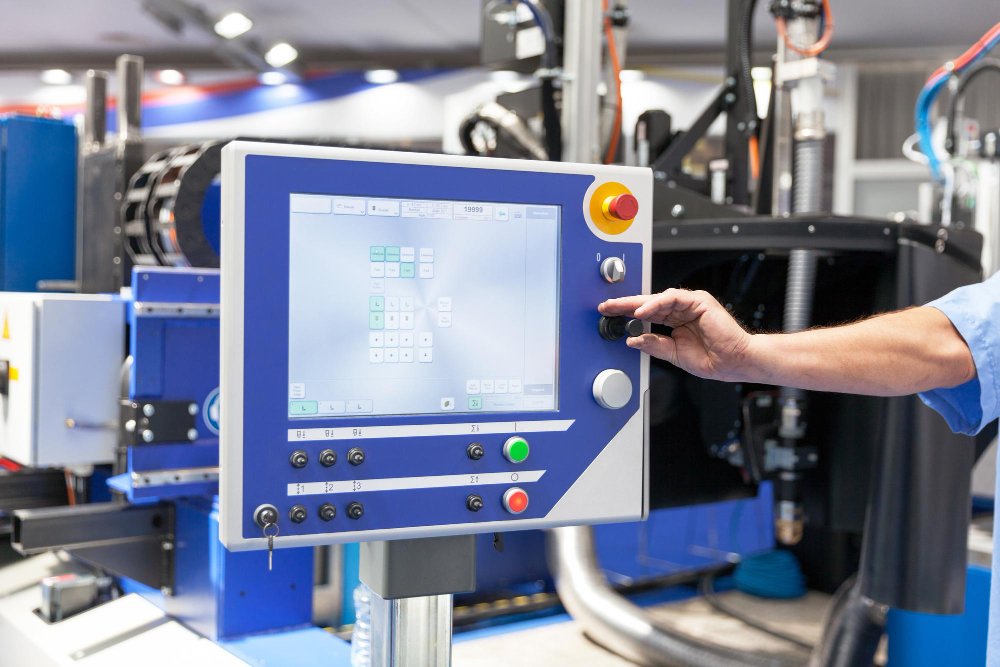
Considering project timelines and communication standards matters when working with overseas manufacturers for high-volume production. So for businesses that want to take advantage of advanced machinery and competitive production costs, they usually partner up with plastic injection molding services from China. Now, let’s get into the standard steps and operational norms you’ll encounter throughout the manufacturing process.
Detailed Technical Quoting Process
When you first submit your 3D models, the engineering team will perform a thorough review to estimate the total cost. They analyze the part geometry, material volume, and the complexity of the required steel tool to provide an accurate price. You can expect a breakdown that separates the one-time tooling expense from the individual unit price.
Design for Manufacturing Feedback
Professional manufacturers usually provide suggestions to modify your design to improve the molding results. They may suggest changing a wall thickness or adding a slight taper to the vertical surfaces so the part slides out of the mold easily. This feedback helps prevent common defects like sink marks or warping before the steel is even cut.
Mold Construction Timelines
Building a high-quality steel injection tool typically takes between four and eight weeks depending on the complexity of the part. During this time, the factory machines the metal blocks and installs the cooling channels and ejection systems. You should receive regular photo updates or progress reports showing the current state of your mold fabrication.
Initial Sample Testing Phases
Once the mold is finished, the factory runs a small batch of parts to verify that everything works as intended. These first samples are often called “T1” samples and are sent to you for a physical inspection of the dimensions and finish. It is common to request minor adjustments to the tool after you have had a chance to hold the physical part in your hands.
Material Verification and Certification
Factories will provide data sheets for the plastic resins they use to prove the material meets your specific strength or heat requirements. If you require a specific brand of plastic, the manufacturer can often source it from international suppliers to maintain consistency. These documents help you verify that the final product will perform correctly in the hands of the end-user.
Production Run Scheduling
After the samples are approved, the project moves into the formal production queue for the first full order. The facility will assign a specific injection press to your job based on the clamping force and shot size required for the part. Most manufacturers provide a firm start and end date so you can coordinate your shipping and storage needs.
Quality Control Standards and Inspections
Dedicated quality teams monitor the production line to check for color consistency and dimensional accuracy. They use specialized tools like calipers and coordinate measuring machines to verify that every batch matches the original blueprints. This step helps catch any issues early so that only passing parts are packed for shipment.
Tool Maintenance and Storage Policies
Large facilities include regular cleaning and greasing of your steel molds as part of their standard service. They store the tools in climate-controlled environments to prevent rust or damage between production runs. This care helps the mold last for its full expected life, which is often hundreds of thousands of cycles.
Packaging and Labeling Requirements
You can request specific packaging methods, such as individual polybags or custom cardboard inserts, to protect the parts during transit. The factory will also apply shipping labels and barcodes according to your specifications for easier inventory management. Clear labeling prevents confusion at the warehouse and helps the products move through customs more quickly.
Communication and Language Barriers
Most large exporters employ project managers who speak English and understand the technical needs of international clients. These managers act as the bridge between your design team and the factory floor to resolve any issues quickly. Using clear, simple language and detailed drawings helps prevent any misunderstandings during the production cycle.
Post-Production Support and Feedback
Even after the parts have shipped, the factory team remains available to discuss any issues found during the assembly of the final product. If a part needs a slight change for the next order, the engineers can modify the existing mold to accommodate the new requirements. This ongoing relationship helps refine the product over several production cycles.
Lead Times for Repeat Orders
Once the mold is already built and stored at the facility, the time needed for repeat orders is significantly shorter. The factory only needs to schedule the machine time and order the raw material to start the next run. Most companies can have a new batch of parts ready for shipment in just a few weeks.
Key Takeaway
Outsourcing plastic injection molding services from China offers businesses high-volume production. A focus on clear design feedback, rigorous testing, and solid communication helps build a reliable supply of parts. This professionalism helps maintain quality while benefiting from the scale of major factories.
About The Author