

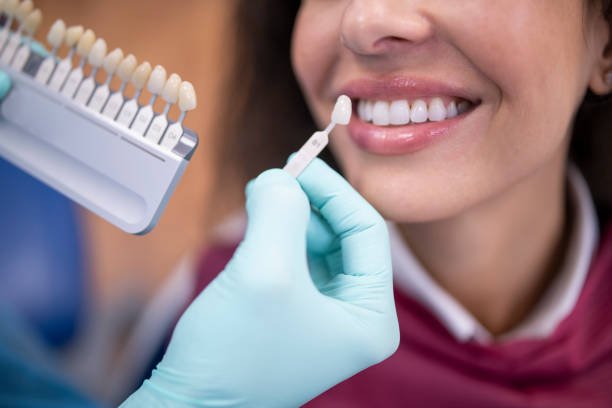
A bright smile is often associated with good oral health, confidence, and a youthful appearance. However, many people notice that their teeth gradually lose their natural whiteness over time. Tooth discoloration is a common concern that affects individuals of all ages and can develop even in people who brush and floss regularly. While some discoloration is caused by everyday habits, other changes occur naturally as the teeth age or as a result of underlying health conditions.
Before undergoing Teeth Whitening in Riyadh, it is important to understand the causes of tooth discoloration. Identifying the source of staining helps dental professionals recommend the most appropriate whitening treatment while setting realistic expectations for the final results. Modern cosmetic dentistry recognizes that tooth discoloration is rarely caused by a single factor. Instead, it usually develops through a combination of lifestyle choices, aging, genetics, and environmental influences.
Understanding Natural Tooth Color
Every person’s teeth have a naturally unique shade.
The outer layer of the tooth is called enamel, which is slightly translucent and generally appears white. Beneath the enamel lies dentin, a naturally yellowish tissue that forms the majority of the tooth structure.
The thickness of the enamel and the natural color of the dentin vary from one person to another. As a result, some individuals naturally have brighter teeth, while others may have teeth with a warmer or slightly darker appearance.
Understanding natural tooth color helps explain why whitening results differ among individuals.
Extrinsic Stains on the Tooth Surface
Extrinsic stains develop on the outer surface of the enamel and are among the most common causes of tooth discoloration.
Over time, pigments from foods, beverages, and tobacco products attach to microscopic irregularities within the enamel. As these pigments accumulate, the teeth gradually appear darker or yellow.
Fortunately, surface stains often respond well to professional whitening because they primarily affect the enamel rather than the deeper tooth structure.
Lifestyle habits play a significant role in the development of these stains.
Coffee and Tea Consumption
Coffee and tea are among the leading contributors to tooth discoloration worldwide.
Both beverages contain naturally occurring compounds called tannins. These substances easily adhere to the enamel surface and trap dark-colored pigments that gradually stain the teeth.
Frequent consumption over many years often produces noticeable yellow or brown discoloration.
Although reducing intake may slow the development of stains, professional whitening is often needed to restore a brighter appearance once discoloration has become established.
Dark-Colored Foods and Drinks
Many everyday foods contain strong natural or artificial pigments that contribute to tooth staining.
Red wine, cola beverages, sports drinks, berry juices, soy sauce, tomato-based sauces, balsamic vinegar, curry dishes, blueberries, blackberries, and cherries all contain color compounds capable of gradually discoloring enamel.
Repeated exposure to these foods over months and years allows pigments to build up, making the teeth appear increasingly dull.
Maintaining good oral hygiene after consuming these foods may help reduce stain accumulation.
Tobacco Use
Smoking and other tobacco products are major causes of persistent tooth discoloration.
Nicotine itself is relatively colorless, but when exposed to oxygen it develops a yellowish appearance. Tar, another component of tobacco smoke, creates dark brown stains that penetrate the enamel surface.
Over time, tobacco stains become increasingly difficult to remove with ordinary brushing alone.
In addition to affecting tooth color, tobacco use also increases the risk of gum disease, bad breath, and numerous other oral health problems.
Natural Aging
Aging is one of the most significant causes of gradual tooth discoloration.
Throughout life, chewing, brushing, and normal daily wear slowly thin the enamel layer. As enamel becomes thinner, the naturally yellow dentin beneath becomes more visible.
Years of exposure to staining foods and beverages also contribute to cumulative discoloration.
These combined changes explain why teeth often appear darker even in individuals who maintain excellent oral hygiene throughout adulthood.
Age-related discoloration is one of the most common reasons patients seek cosmetic whitening treatment.
Poor Oral Hygiene
Daily brushing and flossing remove plaque, food debris, and bacteria from the teeth.
When oral hygiene becomes inconsistent, plaque accumulates along the enamel surface and eventually hardens into tartar. These deposits may trap pigments from foods and beverages, causing the teeth to appear yellow or dull.
Regular professional dental cleanings help remove plaque and tartar that cannot be eliminated through brushing alone.
Maintaining proper oral hygiene is essential both before and after whitening treatment.
Certain Medications
Some medications may influence tooth color.
Certain antibiotics taken during childhood while permanent teeth are developing may produce intrinsic discoloration. Other medications can reduce saliva production, increasing the likelihood of stain accumulation because saliva normally helps cleanse the tooth surface.
In some cases, long-term use of specific medications may contribute indirectly to changes in tooth appearance.
Dental professionals carefully review medical history before recommending whitening treatment.
Excessive Fluoride Exposure
Fluoride strengthens tooth enamel and plays an important role in preventing tooth decay.
However, excessive fluoride exposure during childhood while teeth are developing may cause a condition known as dental fluorosis. This condition may produce white spots, brown discoloration, or changes in enamel appearance depending on its severity.
Although fluorosis is relatively uncommon in many populations, it remains an important cause of intrinsic tooth discoloration.
Professional evaluation helps determine whether whitening is an appropriate treatment option.
Dental Trauma
Injuries affecting the teeth may also change their color.
Following trauma, the internal tissues of the tooth sometimes undergo changes that result in gray, brown, or dark discoloration. This type of staining develops within the tooth rather than on its surface.
The extent of discoloration depends on the severity of the injury and whether the tooth remains healthy after the trauma.
Specialized cosmetic or restorative treatments may sometimes be recommended for teeth affected by previous injuries.
Genetics and Natural Enamel Thickness
Genetics also influence tooth color.
Some individuals naturally inherit thicker, brighter enamel, while others have thinner enamel that allows more of the yellow dentin beneath to show through.
Genetic differences affect not only the original shade of the teeth but also how they respond to aging and staining over time.
Because every smile is unique, whitening results vary according to individual dental characteristics.
The Importance of Professional Assessment
Understanding the cause of discoloration is essential before beginning any cosmetic whitening treatment.
Dental professionals carefully examine the teeth, gums, existing dental restorations, enamel condition, and type of staining present. They determine whether discoloration is primarily extrinsic, intrinsic, or a combination of both.
This evaluation allows realistic treatment expectations while ensuring that whitening is performed safely and effectively.
Professional consultation also identifies any underlying dental conditions requiring treatment before cosmetic procedures begin.
Maintaining a Brighter Smile
Preventing future discoloration requires consistent oral care even after whitening.
Brushing twice daily, flossing regularly, attending routine dental examinations, limiting highly pigmented foods and beverages, and avoiding tobacco products all contribute to maintaining a brighter smile.
Drinking water after consuming staining foods and scheduling professional dental cleanings also help preserve whitening results over time.
Healthy daily habits remain the best long-term strategy for protecting both oral health and cosmetic appearance.
Conclusion
Tooth discoloration develops from a combination of external and internal factors, including aging, dietary habits, tobacco use, poor oral hygiene, medications, dental trauma, fluoride exposure, and natural genetic characteristics. Understanding these causes allows dental professionals to choose the most appropriate whitening approach while helping patients maintain realistic expectations. Modern cosmetic dentistry offers effective solutions for many forms of discoloration through personalized evaluation and professional treatment.
For individuals seeking to restore a brighter and healthier-looking smile, Teeth Whitening in Riyadh provides a reliable cosmetic option for addressing many common types of tooth staining. When combined with proper oral hygiene, regular dental care, and healthy lifestyle habits, professional whitening can significantly improve smile appearance while supporting long-term confidence and overall dental health.






















Leave a Reply