

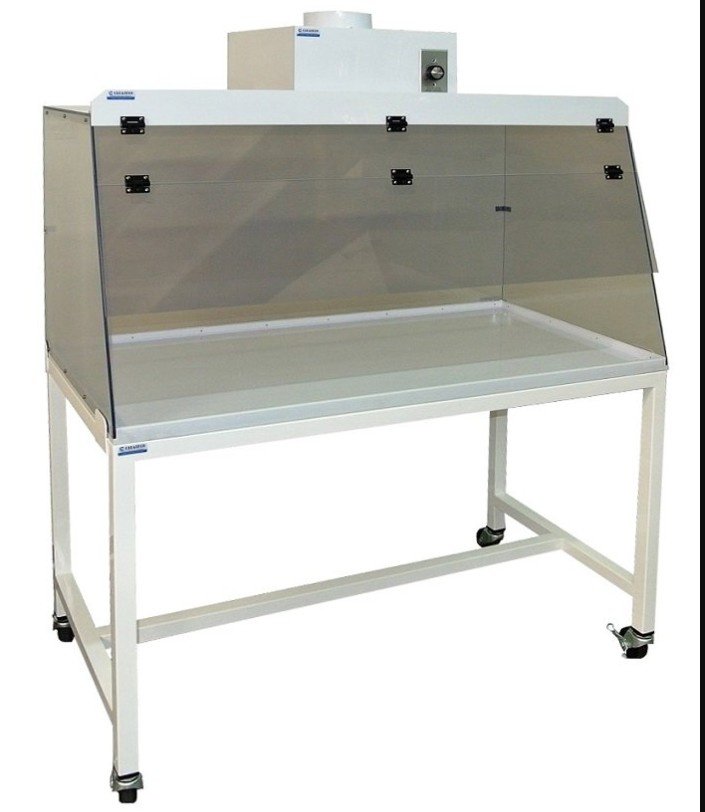
Laboratory safety depends on having the right systems in place to control hazardous substances, chemical vapors, and airborne contaminants. Proper ventilation is one of the most important factors in protecting researchers, laboratory personnel, and sensitive experiments. Without an effective airflow management system, harmful fumes can accumulate and create unsafe working conditions.
A well-designed ventilation solution helps maintain a cleaner and safer laboratory environment by continuously removing contaminants from the workspace. Among the available options, ducted ventilation systems are widely preferred for applications that require consistent airflow performance and dependable contaminant removal.
What Makes a Ducted Fume Hood Reliable for Laboratory Ventilation?
A ducted fume hood works by capturing hazardous fumes and exhausting them outside the building through a dedicated duct system. Unlike filtration-based systems that treat air internally, ducted designs provide direct removal of airborne chemicals, vapors, and particles from the laboratory environment.
This continuous exhaust process helps maintain stable airflow while reducing the risk of exposure. Laboratories working with strong chemicals, volatile compounds, or hazardous materials often choose ducted systems because they provide reliable ventilation performance for demanding applications.
How Does a Ducted Fume Hood Improve Laboratory Safety?
The primary purpose of a fume hood is to create a protective barrier between laboratory workers and hazardous substances. A ducted system continuously pulls contaminated air away from the operator’s breathing zone and safely releases it outside the facility.
A properly installed ducted fume hood for chemical handling and laboratory safety applications helps:
- Reduce exposure to toxic chemical vapors
- Improve indoor air quality
- Provide consistent airflow control
- Support safer chemical storage and handling procedures
- Minimize contamination risks during experiments
By maintaining controlled airflow, these systems allow researchers to perform chemical processes with greater confidence.
Consistent Airflow Performance for Critical Applications
One of the biggest advantages of a ducted ventilation system is its ability to provide reliable and consistent airflow. Laboratory environments often require stable conditions because airflow fluctuations can affect safety and experimental accuracy.
A high-quality system is designed with features that support:
- Uniform air capture
- Effective contaminant removal
- Stable exhaust performance
- Improved operator protection
For laboratories conducting research involving acids, solvents, or hazardous chemicals, maintaining consistent ventilation is essential.
Why Choose Ducted Ventilation Over Other Options?
Different laboratories have different ventilation requirements. While ductless systems can be useful for certain applications, ducted systems are often selected when continuous exhaust and high-level containment are priorities.
A professional ducted fume hood system for advanced laboratory ventilation offers several benefits, including:
Direct Contaminant Exhaust
Ducted systems remove contaminated air from the laboratory instead of recirculating filtered air. This makes them suitable for applications involving chemicals that produce strong or hazardous vapors.
Better Support for High-Risk Applications
Research facilities, educational laboratories, pharmaceutical environments, and industrial testing areas often require dependable ventilation solutions. Ducted systems provide the airflow capacity needed for demanding processes.
Long-Term Ventilation Reliability
When properly installed and maintained, ducted fume hoods provide years of dependable service. Regular inspections, airflow testing, and maintenance help ensure continued performance.
Key Features to Consider When Selecting a Ducted Fume Hood
Choosing the right ventilation system requires evaluating laboratory needs, chemical usage, and workspace requirements. Important factors include:
Airflow Design
The hood should provide appropriate airflow velocity to capture contaminants effectively without disrupting laboratory operations.
Material Construction
Durable construction materials help improve chemical resistance and extend equipment lifespan. Polypropylene and other corrosion-resistant materials are commonly used for applications involving aggressive chemicals.
Proper Exhaust Configuration
The exhaust design should match facility requirements, building infrastructure, and safety standards to ensure efficient operation.
User-Friendly Operation
Features such as clear visibility, ergonomic design, and easy maintenance access improve usability and safety.
How Proper Maintenance Improves Ventilation Performance
Even the best ventilation equipment requires regular care. Routine maintenance ensures that airflow remains consistent and the system continues operating effectively.
Recommended maintenance practices include:
- Checking airflow performance regularly
- Inspecting duct connections
- Cleaning interior surfaces
- Testing exhaust functionality
- Scheduling professional evaluations
A proactive maintenance approach helps prevent performance issues and supports a safer laboratory environment.
Supporting Modern Laboratories with Reliable Ventilation Solutions
Laboratories require equipment that supports safety, efficiency, and regulatory expectations. Choosing a trusted manufacturer helps ensure access to properly engineered solutions designed for different research and industrial applications.
CleaTech LLC provides advanced laboratory and cleanroom solutions designed to support controlled environments, research facilities, and specialized applications. From ventilation systems to laboratory equipment, selecting the right solution can improve workflow efficiency and workplace safety.
If you need assistance selecting the appropriate ventilation solution for your facility, you can Contact us today to discuss your laboratory requirements with experienced professionals.
Conclusion
A reliable ventilation system is essential for maintaining a safe and productive laboratory environment. A ducted fume hood delivers dependable performance by continuously removing hazardous fumes, improving airflow control, and protecting laboratory personnel from chemical exposure.
With proper selection, installation, and maintenance, ducted ventilation systems provide long-term reliability for laboratories handling demanding chemical processes. Investing in an effective exhaust solution helps create safer workspaces while supporting accurate and efficient research operations.
Frequently Asked Questions
What is the main purpose of a ducted fume hood?
A ducted fume hood removes hazardous fumes, chemical vapors, and airborne contaminants from laboratory workspaces by exhausting contaminated air outside the building through a dedicated duct system.
Why are ducted fume hoods preferred for chemical laboratories?
Ducted fume hoods provide continuous exhaust ventilation, making them suitable for laboratories handling volatile chemicals, solvents, acids, and hazardous materials requiring reliable contaminant removal.
How often should a ducted fume hood be inspected?
Regular airflow testing and maintenance inspections should be performed according to facility requirements and safety guidelines to ensure consistent ventilation performance.
Can a ducted fume hood improve laboratory safety?
Yes. By capturing and removing hazardous vapors before they reach laboratory personnel, ducted systems significantly improve workplace safety and help maintain cleaner indoor air.
What factors should be considered when buying a ducted fume hood?
Consider airflow requirements, chemical compatibility, construction materials, exhaust design, laboratory space, and long-term maintenance needs before selecting a system.


















Leave a Reply