

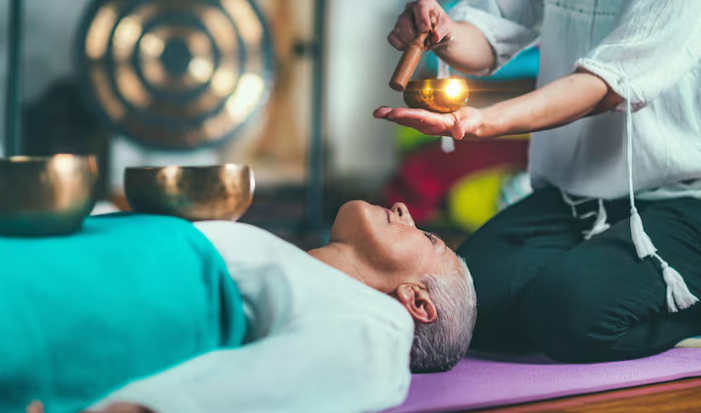
Sound has been used for centuries in different cultures to support relaxation, mindfulness, and overall well-being. Today, more people are exploring structured education to understand the principles behind sound-based practices and how various instruments are used in wellness settings. Whether you are a wellness practitioner, yoga instructor, massage therapist, or simply interested in holistic learning, Sound healing training can provide a strong foundation in both theory and practical application.
Learning about sound as a therapeutic tool involves much more than playing instruments. A quality training program helps students understand the history, science, techniques, and ethical considerations involved in sound-based wellness practices.
Understanding the Foundations of Sound Healing
Sound healing is based on the idea that different frequencies and vibrations can influence a person’s mental and physical state. While ongoing research continues to explore the effects of sound on stress, mood, and relaxation, many people use sound practices as a complementary approach to support mindfulness and emotional balance.
Training programs typically introduce students to the origins of sound healing traditions, modern applications, and the role of intentional listening. Students also learn how different instruments produce unique tones and how these sounds may be incorporated into meditation, breathwork, and relaxation sessions.
What You Learn During Sound Healing Training
A comprehensive Sound healing training program usually combines classroom instruction with hands-on experience. Rather than focusing only on instruments, students gain a broader understanding of how to create safe, intentional, and structured sound experiences.
Common topics include:
The History and Principles of Sound Healing
Students explore traditional and contemporary approaches to sound-based wellness from various cultures. This provides context for how sound has evolved into modern wellness practices.
Understanding Sound Instruments
Many training programs introduce participants to a variety of commonly used instruments, including:
- Crystal singing bowls
- Tibetan singing bowls
- Tuning forks
- Gongs
- Chimes
- Drums
- Voice and chanting techniques
Each instrument has unique characteristics, and students learn when and how they may be used appropriately.
Session Planning and Facilitation
Effective sound sessions require preparation and structure. Training often covers:
- Creating a comfortable environment
- Guiding relaxation practices
- Sequencing instruments thoughtfully
- Managing group and individual sessions
- Maintaining professional boundaries
These practical skills help students confidently facilitate sessions in wellness settings.
The Benefits of Learning Sound Healing
Many people pursue this education for personal growth, while others integrate it into existing wellness careers. Learning about sound practices can help individuals:
- Develop stronger mindfulness techniques
- Improve listening and observation skills
- Expand wellness service offerings
- Gain confidence using various sound instruments
- Better understand relaxation-based practices
Although sound healing is widely used in holistic wellness, it should not be considered a replacement for professional medical care or treatment.
Who Can Benefit from This Type of Education?
One of the strengths of Sound healing training is its accessibility. Students often come from a wide range of backgrounds, including:
- Yoga instructors
- Meditation teachers
- Massage therapists
- Energy practitioners
- Wellness coaches
- Healthcare professionals interested in complementary approaches
- Individuals seeking personal development
Previous musical experience is rarely required, as most programs begin with foundational instruction before progressing to more advanced techniques.
Choosing a Quality Training Program
Not all educational programs offer the same depth of instruction. When evaluating a course, consider factors such as:
- Instructor qualifications and experience
- Balance between theory and practical learning
- Small class sizes for individualized guidance
- Opportunities for supervised practice
- Clear curriculum and learning objectives
- Continuing education opportunities
Programs that emphasize ethical practice, safety, and hands-on experience often provide a more comprehensive educational foundation.
Conclusion
Exploring Sound healing training offers an opportunity to better understand how sound has been used throughout history as part of relaxation and wellness practices. A structured educational program provides practical experience, theoretical knowledge, and ethical guidance that can support both personal growth and professional development. Whether your goal is to deepen your understanding of holistic wellness or expand an existing practice, quality sound healing education provides valuable knowledge that can continue to evolve through lifelong learning.




















Leave a Reply