

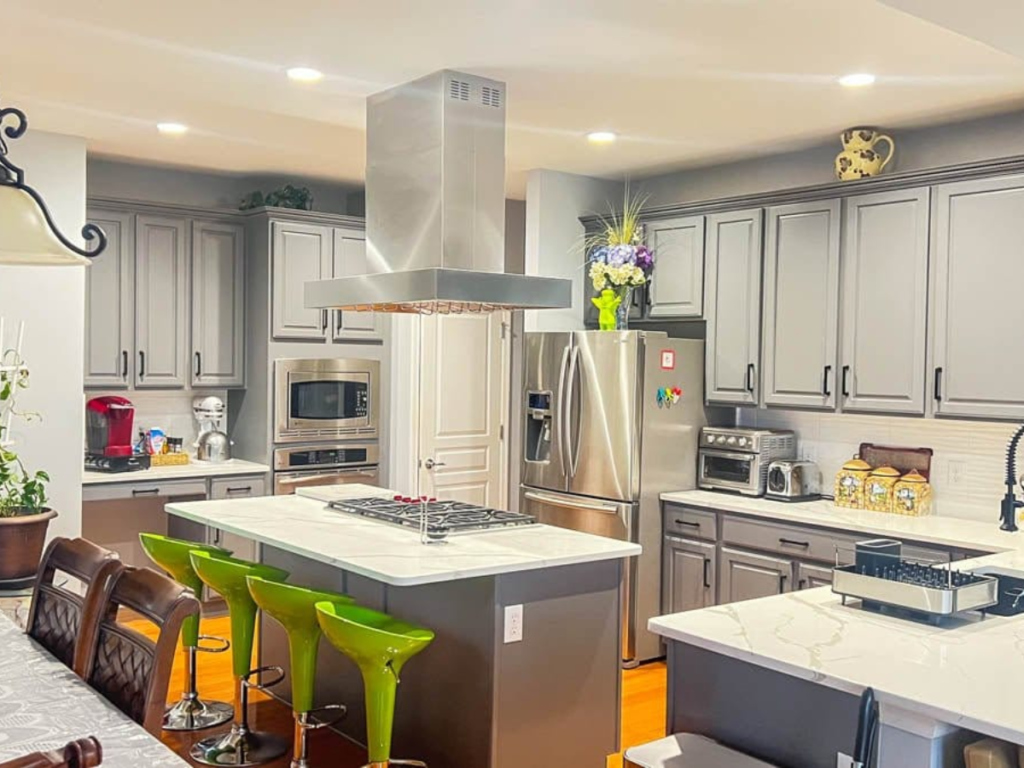
A well-designed kitchen is about more than attractive cabinetry and modern appliances. Proper ventilation is equally important because everyday cooking releases smoke, grease particles, moisture, heat, and airborne pollutants into the home. Installing a kitchen range hood is one of the most effective ways to improve indoor air quality while protecting kitchen surfaces from grease buildup. Whether you prepare simple family meals or frequently cook at high temperatures, the right ventilation system can create a cleaner, safer, and more comfortable cooking environment. Understanding how a kitchen range hood works and the factors to consider before choosing one can help homeowners make informed decisions for both performance and long-term maintenance. Modern range hoods are designed to capture airborne contaminants and either exhaust them outdoors or filter and recirculate the air, improving overall kitchen ventilation.
Why Kitchen Ventilation Matters
Cooking produces more than pleasant aromas. Frying, grilling, and sautéing release grease, steam, fine particulate matter, volatile organic compounds (VOCs), and, in homes with gas stoves, combustion gases such as nitrogen dioxide. Without adequate ventilation, these pollutants can accumulate indoors and affect air quality.
An effective ventilation system helps by:
- Removing smoke and cooking odors
- Reducing airborne grease particles
- Controlling excess moisture
- Improving indoor air circulation
- Helping maintain cleaner kitchen surfaces
These benefits contribute to a healthier and more comfortable home environment.
How a Range Hood Works
A kitchen range hood is installed above a cooktop or range to capture rising smoke, steam, grease, and heat before they spread throughout the kitchen. Depending on the design, the hood either vents contaminated air outside through ductwork or passes it through filters before recirculating cleaner air back into the room.
Most systems include:
- A ventilation fan
- Grease filters
- Lighting for the cooking surface
- Speed controls
- Ducted or ductless airflow options
Choosing the correct type depends on the kitchen layout, cooking habits, and available ventilation options.
Types of Range Hoods
There are several common styles available, each suited to different kitchen designs.
Popular options include:
- Under-cabinet range hoods
- Wall-mounted range hoods
- Insert range hoods
- Downdraft ventilation systems
- Ceiling-mounted range hoods
Each design offers unique installation advantages while serving the same primary purpose of improving ventilation and maintaining cleaner indoor air.
Factors to Consider Before Choosing One
Selecting the right ventilation system involves more than choosing a style that matches your kitchen. Several technical considerations influence overall performance.
Important factors include:
- Hood width matching the cooktop
- Airflow capacity (CFM)
- Noise level during operation
- Ducted versus ductless installation
- Filter type and maintenance requirements
- Installation height above the cooking surface
Proper sizing and installation help maximize smoke capture while improving efficiency.
Importance of Regular Maintenance
Routine maintenance keeps ventilation systems operating efficiently and extends their lifespan. Over time, grease and dust accumulate on filters and internal components, reducing airflow and increasing fire risk.
Maintenance tasks include:
- Cleaning grease filters regularly
- Replacing charcoal filters when required
- Wiping exterior surfaces
- Inspecting ductwork for blockages
- Checking fan performance
Most experts recommend cleaning reusable filters monthly if cooking is frequent.
Benefits Beyond Air Quality
Proper kitchen ventilation offers advantages that extend beyond cleaner air. By removing moisture and grease from the cooking area, range hoods help preserve cabinetry, walls, ceilings, and nearby appliances.
Additional benefits include:
- Reduced lingering cooking odors
- Lower grease accumulation on surfaces
- Better visibility while cooking through integrated lighting
- Improved comfort during high-heat cooking
- Reduced condensation in the kitchen
These improvements contribute to a more enjoyable cooking experience while supporting easier kitchen maintenance.
The Future of Kitchen Ventilation
Modern ventilation systems continue to evolve with quieter motors, energy-efficient lighting, improved filtration technologies, and smarter controls. Many newer models also feature multiple fan speeds, automatic sensors, and streamlined designs that integrate seamlessly into contemporary kitchens.
As homeowners place greater emphasis on indoor air quality and energy efficiency, ventilation systems are becoming an increasingly important component of modern kitchen planning.
Conclusion
A kitchen range hood is an essential part of any functional kitchen, helping remove smoke, grease, moisture, and airborne pollutants while improving overall comfort and cleanliness. For kitchens with central cooking islands, an island ceiling mount range hood offers an effective solution that combines efficient ventilation with a design suited to open-concept layouts. Choosing the right ventilation system, maintaining it regularly, and ensuring proper installation can significantly enhance both cooking performance and indoor air quality.













Leave a Reply