Medical Software Development Company for Modern Healthcare
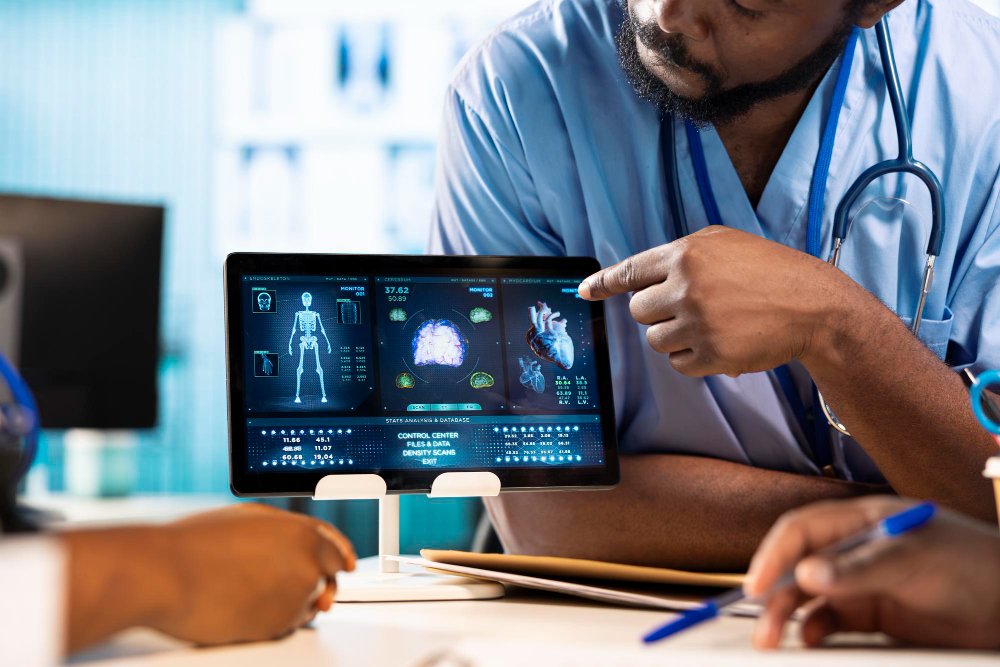
Healthcare organizations are rapidly moving beyond basic digital record management. Today, they need intelligent, secure, and interoperable software solutions that improve patient care, streamline operations, and meet strict regulatory requirements. This is where a medical software development company becomes a valuable technology partner.
Whether you’re a hospital, clinic, diagnostic center, pharmaceutical company, or healthcare startup, custom medical software can help automate workflows, improve decision-making, and deliver better patient experiences. Unlike off-the-shelf platforms, custom solutions are built around your organization’s unique clinical and operational needs.
What Does a Medical Software Development Company Do?
A medical software development company designs, develops, and maintains healthcare applications that support medical professionals, patients, and healthcare administrators. These companies combine technical expertise with healthcare domain knowledge to create software that is secure, scalable, and compliant.
Their services typically include:
- Electronic Health Record (EHR) systems
- Electronic Medical Record (EMR) software
- Hospital Management Systems (HMS)
- Telemedicine applications
- Remote Patient Monitoring (RPM) platforms
- Patient portals
- Medical billing software
- Laboratory Information Management Systems (LIMS)
- Healthcare mobile applications
- AI-powered healthcare solutions
Why Custom Medical Software Matters
Every healthcare organization operates differently. Standard software often includes unnecessary features while missing critical functionality specific to your workflows.
Partnering with a medical software development company allows organizations to build solutions that align with their business goals, clinical processes, and compliance requirements.
Key advantages include:
- Customized workflows
- Better system performance
- Improved user experience
- Easier third-party integrations
- Higher security standards
- Long-term scalability
Essential Features of Modern Medical Software
Successful healthcare platforms should include features that improve both patient care and operational efficiency.
Patient Management
A centralized dashboard for managing patient records, medical history, prescriptions, allergies, and treatment plans.
Appointment Scheduling
Allow patients to book appointments online while helping providers manage physician availability and reduce missed appointments.
Telemedicine Integration
Virtual consultations have become a standard healthcare service. Integrated video consultations and secure messaging improve accessibility and patient satisfaction.
E-Prescription
Doctors can send prescriptions electronically to pharmacies while reducing medication errors and improving treatment efficiency.
Billing and Insurance Management
Automated billing systems simplify claims processing, payment tracking, insurance verification, and invoicing.
Reporting and Analytics
Real-time dashboards help administrators monitor operational performance, patient trends, financial metrics, and clinical outcomes.
Compliance Should Never Be an Afterthought
Healthcare software manages sensitive patient information, making security and compliance essential.
A reliable medical software development company develops solutions that comply with industry standards such as:
- HIPAA (United States)
- GDPR (European Union)
- HITECH
- HL7
- FHIR
- DICOM for medical imaging
Compliance helps protect patient data, reduce legal risks, and build trust with users.
The Importance of Healthcare Interoperability
Healthcare organizations often use multiple software systems across departments. Without interoperability, patient information becomes fragmented.
Modern medical software should integrate with:
- EHR and EMR systems
- Laboratory systems
- Pharmacy platforms
- Medical devices
- PACS imaging systems
- Insurance providers
- Telehealth platforms
This creates a connected healthcare ecosystem where information flows securely between systems.
Emerging Technologies Changing Medical Software Development
Healthcare technology continues to evolve rapidly.
Artificial Intelligence
AI helps healthcare providers by:
- Assisting with clinical decision support
- Automating documentation
- Predicting patient risks
- Improving diagnostic accuracy
Cloud Computing
Cloud-based medical software offers:
- Secure remote access
- Lower infrastructure costs
- Faster deployment
- Easy scalability
Internet of Medical Things (IoMT)
Connected devices enable healthcare providers to monitor patients remotely and collect real-time health data.
Predictive Analytics
Advanced analytics help organizations forecast patient demand, optimize resource allocation, and improve clinical outcomes.
How to Select the Right Medical Software Development Company
Choosing the right development partner is just as important as choosing the right technology.
Look for a company that offers:
- Proven healthcare software experience
- Knowledge of healthcare regulations
- Strong cybersecurity practices
- Expertise in API and third-party integrations
- Agile development methodology
- Transparent communication
- Ongoing maintenance and technical support
Reviewing healthcare case studies and client testimonials can also help evaluate their capabilities.
Future Trends in Medical Software Development
Healthcare technology continues to evolve, creating new opportunities for providers to improve patient outcomes and operational performance.
Some of the most important trends include:
- AI-powered clinical decision support for faster and more accurate diagnoses.
- Predictive analytics to identify high-risk patients and support preventive care.
- Remote Patient Monitoring (RPM) using wearable devices to track chronic conditions in real time.
- Voice-enabled clinical documentation that reduces physician documentation time.
- Cloud-native healthcare platforms that provide secure access to patient information from any location.
- Blockchain-based medical records that improve data integrity and secure health information sharing.
Partnering with a forward-thinking medical software development company ensures your healthcare platform is built with future technologies in mind, allowing your organization to adapt quickly as industry requirements evolve.
Final Thoughts
Digital transformation is reshaping healthcare, and organizations need technology that is secure, scalable, and built for long-term success. Working with an experienced medical software development company enables healthcare providers to create tailored solutions that improve patient care, streamline workflows, and simplify compliance.
Whether you’re building an EHR platform, telemedicine application, hospital management system, or AI-powered healthcare solution, investing in custom medical software provides the flexibility and innovation needed to stay competitive in today’s healthcare landscape.
About The Author