

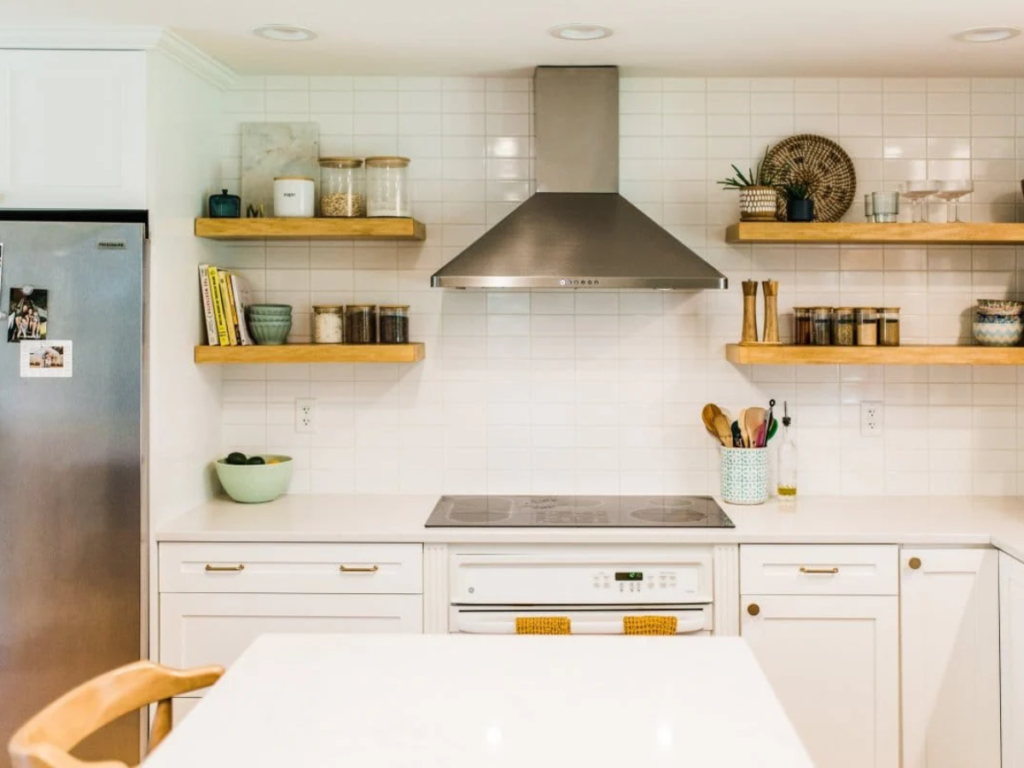
Kitchen ventilation plays a crucial role in maintaining indoor air quality, especially in homes that use gas cooking appliances. Gas stoves generate heat, combustion byproducts, moisture, grease particles, and cooking odors that can quickly spread throughout the home if ventilation is inadequate. As modern kitchens continue to emphasize both functionality and comfort, effective ventilation systems remain an important part of residential design.
The growing demand for range hoods for gas stoves reflects the need for solutions that help remove airborne contaminants while supporting a cleaner and more comfortable cooking environment. Proper ventilation can improve airflow, enhance cooking experiences, and contribute to healthier indoor spaces. Gas stoves particularly benefit from effective ventilation because range hoods help capture smoke, grease, heat, and fumes generated during cooking.
Why Ventilation Matters for Gas Stoves
Unlike some other cooking appliances, gas stoves produce combustion byproducts in addition to cooking smoke and odors. Without proper ventilation, these substances may accumulate within indoor spaces.
Effective ventilation helps:
- Remove smoke and grease particles
- Reduce cooking odors
- Improve indoor air quality
- Control excess heat
- Manage kitchen humidity
- Support a cleaner cooking environment
Because of these benefits, many homeowners prioritize installing appropriate ventilation systems above gas cooking surfaces. Experts commonly recommend selecting a range hood for gas stove applications that adequately covers the cooktop and provides sufficient airflow capacity to manage smoke, heat, and cooking byproducts effectively.
Island Range Hoods
Island hoods are suspended from the ceiling and designed for kitchens where the cooking area is located on an island. These units often require greater airflow capacity because they are positioned in open spaces.
Insert Range Hoods
Insert systems are installed inside custom cabinetry or decorative enclosures, allowing homeowners to maintain a seamless kitchen appearance while providing effective ventilation.
Factors to Consider When Selecting a Range Hood
Choosing among the available range hoods for gas stoves involves evaluating several important factors.
Airflow Capacity
Airflow is typically measured in cubic feet per minute (CFM). Higher-powered gas stoves generally require stronger ventilation systems capable of removing larger amounts of smoke, heat, and airborne particles.
Hood Size
Ventilation systems should adequately cover the cooking surface. Industry guidance often recommends selecting a hood that is at least as wide as the cooktop and, when possible, slightly wider for improved capture efficiency.
Venting Configuration
Homeowners may choose between ducted and ductless systems depending on kitchen layout and installation requirements. Ducted systems generally provide more direct removal of cooking contaminants.
Noise Levels
Modern ventilation systems frequently incorporate designs intended to balance airflow performance with quieter operation.
Benefits of Proper Kitchen Ventilation
Effective ventilation contributes to both comfort and long-term kitchen maintenance.
Advantages include:
- Reduced grease accumulation
- Improved air circulation
- Better odor control
- Enhanced cooking comfort
- Cleaner surrounding surfaces
- Improved indoor environment
These benefits help explain why ventilation systems remain an essential feature in modern kitchens.
Kitchen Design and Ventilation Integration
Today’s homeowners often seek appliances that combine performance with aesthetic appeal. Ventilation systems are increasingly designed to complement cabinetry, countertops, and overall kitchen architecture.
A well-chosen range hood can enhance both functionality and visual balance within the space. Whether incorporated into a contemporary, transitional, or traditional design, ventilation systems continue to play an important role in creating practical and attractive kitchens.
Conclusion
A range under cabinet vent hood can provide an effective ventilation solution for homeowners seeking to maximize airflow while maintaining efficient use of kitchen space. As cooking habits and kitchen designs continue to evolve, selecting an appropriate ventilation system remains an important step toward improving indoor air quality, managing cooking byproducts, and creating a more comfortable environment for everyday meal preparation.













Leave a Reply