

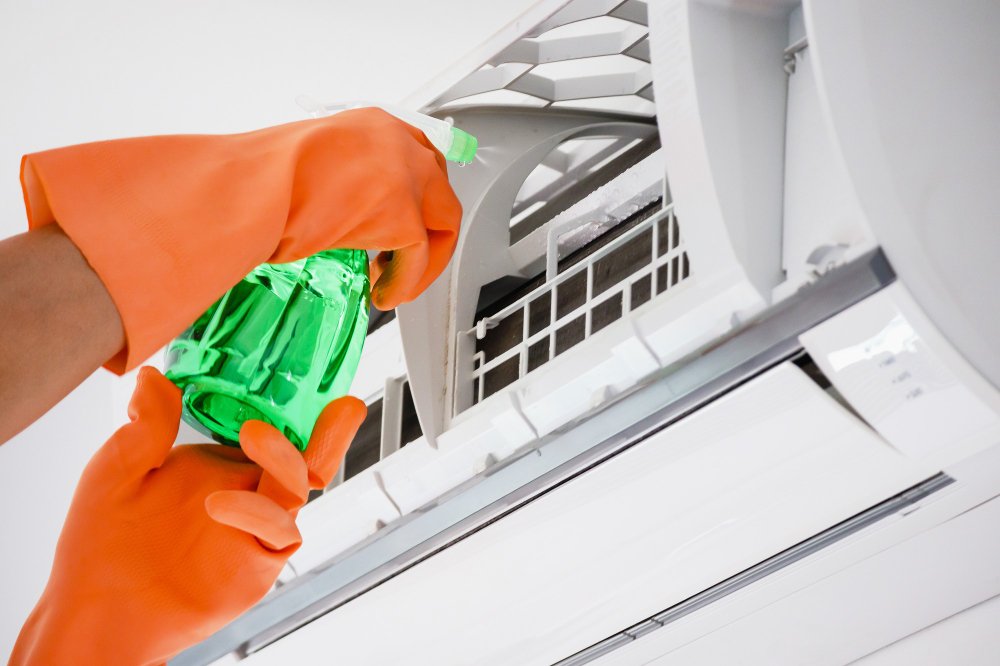
High humidity levels and street dust more often than not, lead to clogged cooling units for many households across the country. That’s why most aircons in the Philippines require regular filter maintenance. It’s to keep their cooling efficiency working well during the hottest summer months. On top of that, homeowners can save money on professional servicing and monthly power bills by learning the right steps for a manual clean.
What is Filter Maintenance?
Filter maintenance involves the periodic removal and washing of the mesh screens located inside the front cooling panel. These screens capture airborne particles before they can enter the sensitive internal parts of the cooling unit itself. Keeping these components clean allows the machinery to breathe properly while maintaining a steady flow of chilled air.
Why Prioritize a Clean Mesh?
A dirty mesh screen restricts the airflow and forces the motor to work much harder than originally intended. This extra strain leads to higher electricity consumption and puts unnecessary wear on the mechanical parts of the unit. Regular cleaning prevents the buildup of allergens and foul odors that can circulate through the living room or bedroom.
Filter Removal
Filter removal consists of sliding the mesh screens out of their tracks once the front panel is fully open. These filters usually have small tabs at the bottom that allow the user to lift and pull them down. Taking the screens out carefully prevents the trapped dust from falling back into the evaporator coils or onto the floor.
Prevent Coil Dust
Allowing dust to settle on the internal metal coils can lead to freezing issues and a significant drop in cooling. The coils must remain free of debris so that the refrigerant can effectively absorb the heat from the room air. Keeping the dust on the filter where it belongs makes the entire cleaning process much more effective for the home.
Filter Washing
Filter washing involves rinsing the mesh screens under a steady stream of lukewarm water from a faucet or hose. You should aim the water at the clean side of the filter to push the dirt out through the front. This technique effectively clears the mesh without pushing the microscopic particles deeper into the weave of the plastic screen.
Use Gentle Water
High-pressure water can stretch the delicate mesh and create larger holes that allow dust to pass through into the motor. Using a soft stream protects the structural integrity of the filter while removing the sticky residue of smoke and grease. Gentle washing preserves the effectiveness of the screen for many years of continuous use in a tropical environment.
Soap Application
Soap application is the use of a mild liquid detergent to break down stubborn oils and bacteria on the mesh. Homeowners should avoid using strong chemicals or bleach that might damage the plastic coating of the filter frame itself. A light soapy solution is usually enough to remove the dark stains caused by urban pollution and indoor cooking.
Air Drying
Air drying is the process of letting the filters sit in a shaded area until all the moisture has evaporated. It is important to avoid placing the wet screens under direct sunlight because the heat can warp the plastic frames. The filters must be completely dry to the touch before they are reinstalled back into the cooling unit.
Wait for Dryness
Inserting a wet filter back into the machine can lead to the growth of mold and mildew inside the dark vents. Excess moisture might also damage the electronic sensors that control the temperature settings of the modern cooling appliance. Patience during the drying stage protects the health of the family and the longevity of the electrical parts.
Reinstallation
Reinstallation is the final step where the clean and dry filters are slid back into their original tracks and secured. The user must ensure that the filters are properly aligned so that the front panel can close without any resistance. Closing the cover until it clicks signifies that the maintenance task is finished and the unit is ready.
Confirm Proper Fit
A filter that is not seated correctly can vibrate during operation and create an annoying rattling sound in the room. Proper alignment also guarantees that all incoming air must pass through the cleaning mesh before reaching the cooling coils. Confirming a tight fit protects the unit from internal clogs and keeps the cooling process silent and efficient.
Key Takeaway
Performing a DIY cleaning for aircons in the Philippines is a simple way to lower costs and maintain home comfort. Removing dust from the filters every two weeks prevents mechanical strain and improves the overall quality of the indoor air. When you take the time to handle these components with care, it extends the life of your unit throughout the year.

















Leave a Reply