

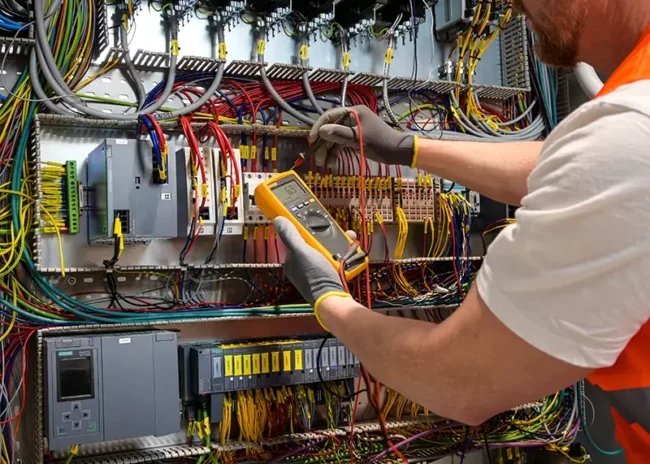
Energy costs are one of the largest operational expenses for commercial properties. Implementing energy-efficient electrical solutions not only lowers utility bills but also improves sustainability, enhances occupant comfort, and strengthens your brand’s environmental responsibility. Modern technologies make it easier than ever for commercial buildings to reduce energy consumption without sacrificing performance.
Here are the most effective energy-efficient electrical solutions for commercial buildings.
1. LED Lighting Upgrades
Lighting can account for a significant portion of a building’s energy use. Replacing outdated fluorescent, halogen, or incandescent fixtures with LED systems is one of the fastest and most cost-effective upgrades.
Benefits of LED lighting:
- Uses up to 75% less energy
- Longer lifespan (reduces maintenance costs)
- Improved brightness and color quality
- Lower heat output
Pairing LED lighting with dimmers and occupancy sensors further maximizes savings.
2. Smart Lighting Controls
Installing automated lighting controls ensures lights are only used when necessary. Smart systems can include:
- Occupancy sensors
- Daylight harvesting systems
- Motion detectors
- Programmable timers
These systems automatically adjust lighting based on room usage and natural light levels, preventing unnecessary energy waste.
3. Energy Management Systems (EMS)
An Energy Management System monitors, controls, and optimizes a building’s electrical consumption in real time. Through centralized software, facility managers can track usage patterns and identify inefficiencies.
Key advantages:
- Real-time energy monitoring
- Data-driven decision-making
- Reduced peak demand charges
- Improved system performance
EMS solutions are especially beneficial for large office buildings, warehouses, and industrial facilities.
4. High-Efficiency HVAC Systems
Heating and cooling systems are major energy consumers. Upgrading to high-efficiency HVAC systems, along with variable frequency drives (VFDs), helps regulate motor speeds based on actual demand rather than running at full capacity continuously.
Integrating HVAC with smart thermostats and automated building controls further reduces unnecessary power use.
5. Power Factor Correction
Poor power factor can lead to energy loss and higher utility penalties. Installing power factor correction equipment improves electrical efficiency by reducing reactive power in your system.
This results in:
- Lower energy costs
- Reduced strain on equipment
- Improved voltage stability
- Extended equipment lifespan
6. Solar Power Integration
Commercial solar panel installations can significantly reduce reliance on grid electricity. Many businesses combine solar with battery storage systems to improve energy independence and stabilize power during outages.
Benefits include:
- Lower long-term energy costs
- Tax incentives and rebates
- Reduced carbon footprint
- Positive brand image
7. Upgraded Electrical Panels and Distribution Systems
Older electrical panels and transformers can waste energy due to inefficiencies. Modern distribution systems are designed for improved load balancing and reduced heat loss.
Upgrading your electrical infrastructure ensures your building can support energy-efficient technologies while maintaining safety and compliance.
8. Energy-Efficient Equipment and Appliances
From office electronics to industrial machinery, upgrading to ENERGY STAR® or high-efficiency rated equipment significantly reduces overall electrical demand.
Encourage tenants or departments to adopt energy-saving practices alongside equipment upgrades to maximize impact.
9. Demand Response Programs
Many utility providers offer demand response programs that reward businesses for reducing energy usage during peak demand periods. Automated systems can temporarily lower non-essential loads without disrupting operations.
This strategy reduces strain on the grid while generating cost savings.
The Long-Term Benefits
Investing in energy-efficient electrical solutions delivers measurable returns:
- Reduced operating costs
- Improved system reliability
- Lower environmental impact
- Increased property value
- Enhanced corporate sustainability goals
Energy efficiency is no longer optional—it’s a competitive advantage. By upgrading lighting, optimizing electrical systems, and integrating smart technologies, commercial buildings can achieve substantial savings while creating safer, more sustainable environments.







Leave a Reply