Why Use an Isolation Glove Box in Sensitive Experiments?
When you conduct sensitive experiments, maintaining a controlled environment is often the difference between accurate results and costly errors. Exposure to moisture, oxygen, airborne particles, or contaminants can compromise samples, affect reactions, and reduce the reliability of your research. This is why many laboratories, research facilities, and manufacturing environments rely on an isolation glove box.
An isolation glove box creates a sealed workspace that protects materials from external contamination while also safeguarding operators from hazardous substances. Whether you work with pharmaceuticals, electronics, advanced materials, or chemical compounds, understanding the benefits of this equipment can help you improve experimental outcomes and operational efficiency.
What Is an Isolation Glove Box?
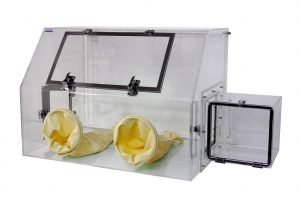
An isolation glove box is a sealed enclosure equipped with integrated gloves that allow you to manipulate materials inside the chamber without direct contact. The system creates a controlled atmosphere that can be maintained under vacuum, inert gas, or other specialized environmental conditions.
By separating sensitive materials from the surrounding environment, an isolation glove box helps ensure the integrity of experiments that require strict contamination control.
For laboratories seeking reliable containment solutions, a high-performance isolation glove box for contamination-sensitive laboratory applications can provide the controlled environment necessary for critical research and production processes.
Protect Your Samples from Contamination
One of the primary reasons to use an isolation glove box is contamination prevention. Many experimental materials react negatively when exposed to air, humidity, dust, or biological contaminants.
Even a small amount of contamination can:
- Alter chemical reactions
- Damage sensitive compounds
- Produce inaccurate test results
- Reduce product quality
- Cause costly delays
By creating a sealed working environment, you can significantly reduce the risk of unwanted exposure and maintain sample purity throughout the experimental process.
Maintain Precise Environmental Conditions
Sensitive experiments often require stable environmental parameters. An isolation glove box allows you to control factors such as:
- Oxygen levels
- Moisture content
- Pressure conditions
- Temperature stability
- Gas composition
This level of control is especially important when handling air-sensitive chemicals, battery materials, semiconductors, nanomaterials, and pharmaceutical ingredients.
When environmental consistency is maintained, your experiments become more repeatable and reliable, supporting higher-quality research outcomes.
Improve Research Accuracy
Experimental accuracy depends heavily on environmental stability. Uncontrolled exposure to external conditions can introduce variables that skew results.
Using an isolation glove box helps you:
- Minimize external interference
- Maintain consistent testing conditions
- Improve reproducibility
- Reduce data variability
- Enhance research credibility
As a result, you can make more confident decisions based on experimental findings and reduce the need for repeated testing.
Enhance Operator Safety
Many sensitive experiments involve hazardous substances that may pose risks to laboratory personnel. Toxic powders, reactive chemicals, biological materials, and volatile compounds often require specialized containment measures.
An isolation glove box provides a physical barrier between the operator and hazardous materials. This containment helps:
- Reduce exposure risks
- Prevent accidental contact
- Limit airborne contamination
- Improve workplace safety compliance
- Support safe handling procedures
The added protection benefits both researchers and the laboratory environment.
Support Advanced Manufacturing Processes
Isolation glove boxes are not limited to research laboratories. They are widely used in manufacturing environments where contamination control is critical.
Industries that commonly use glove boxes include:
- Pharmaceutical manufacturing
- Semiconductor production
- Aerospace engineering
- Biotechnology
- Medical device manufacturing
- Battery development
Maintaining controlled conditions throughout production helps improve product consistency and reduce defects.
Increase Experiment Efficiency
When contamination occurs, experiments often need to be repeated, resulting in wasted materials, labor, and time.
An isolation glove box helps improve efficiency by:
- Reducing failed experiments
- Protecting valuable samples
- Minimizing cleanup requirements
- Supporting continuous workflows
- Improving process consistency
By preventing contamination before it occurs, you can focus more on research and less on troubleshooting environmental issues.
Adapt to Multiple Applications
Modern isolation glove boxes are highly versatile and can be customized to meet specific laboratory requirements.
Features may include:
- Inert gas purging systems
- Vacuum capabilities
- Pass-through chambers
- HEPA filtration
- Humidity control
- Customized workspace dimensions
This flexibility allows you to configure the system according to your experiment’s unique demands.
For organizations seeking dependable containment and environmental control solutions, custom isolation glove box systems designed for sensitive laboratory and industrial applications from CleaTech can support a wide range of operational requirements.
Choose a Reliable Glove Box Provider
The effectiveness of your glove box depends on the quality of its design, construction, and performance capabilities. Selecting a trusted manufacturer ensures you receive equipment that meets your environmental control needs while maintaining long-term reliability.
Leading providers focus on:
- Durable construction
- Custom configurations
- Advanced containment technologies
- User-friendly operation
- Reliable performance
Working with an experienced manufacturer helps ensure that your glove box system supports both current and future laboratory requirements.
To learn more about specialized glove box solutions and controlled-environment equipment, explore the innovative laboratory containment systems available from CleaTech LLC.
Conclusion
An isolation glove box is an essential tool for any laboratory or production environment where contamination control, environmental stability, and operator safety are priorities. By protecting sensitive materials from moisture, oxygen, dust, and other contaminants, you can improve research accuracy, enhance safety, and increase operational efficiency.
Whether you conduct advanced scientific research, develop new materials, or manufacture precision products, investing in the right glove box system can help you achieve more reliable and consistent results. If you need guidance selecting the ideal solution for your application, contact us today to discuss your requirements with experienced specialists.
Frequently Asked Questions
What is an isolation glove box used for?
An isolation glove box is used to handle sensitive, reactive, or hazardous materials in a sealed environment that prevents contamination and protects operators.
How does an isolation glove box prevent contamination?
The glove box creates a sealed chamber where environmental conditions can be controlled, preventing exposure to dust, moisture, oxygen, and airborne contaminants.
Which industries commonly use isolation glove boxes?
Industries such as pharmaceuticals, biotechnology, semiconductor manufacturing, battery research, aerospace, and advanced materials development frequently use isolation glove boxes.
Can an isolation glove box operate with inert gases?
Yes. Many systems use inert gases such as nitrogen or argon to create oxygen-free environments for air-sensitive applications.
What factors should you consider when selecting an isolation glove box?
Important considerations include chamber size, environmental control requirements, gas management capabilities, filtration systems, material compatibility, and customization options.
Why is environmental control important in sensitive experiments?
Environmental control helps eliminate variables that could affect experimental results, improving accuracy, repeatability, and overall research quality.
About The Author