Why Layering Matters for Active Young Hunters
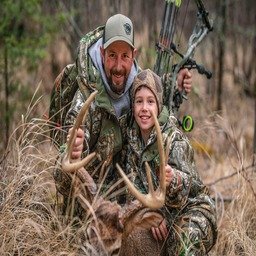
For young hunters who spend long hours outdoors, clothing is far more than a question of comfort. It affects concentration, safety, stamina and the ability to keep going when the weather turns. In the UK, where a day can begin cold, become damp by lunchtime and finish with a sharp wind, layering is one of the most practical ways to stay prepared. Parents and guardians often look for childrens hunting clothes that can be adapted to changing conditions, and layering sits at the heart of that approach.
Getting dressed for the field is not about piling on as many garments as possible. It is about building a system that manages warmth, moisture and movement. A young hunter walking through rough ground, standing still during a wait, or helping with field tasks will generate heat at different rates. Layering allows clothing to respond to those shifts, helping the wearer stay dry, warm and comfortable without becoming restricted or overheated.
Key Points
- Layering helps regulate body temperature during changing levels of activity.
- It reduces the risk of damp clothing, which can lead to discomfort and chill.
- Well-chosen layers improve movement and make it easier to stay focused.
- Each layer has a different job, from moving sweat away to blocking wind and rain.
- Layering is especially useful in the UK because weather conditions can change quickly.
Why layering is so important for young hunters
Young people are often more sensitive to cold, wind and moisture than adults, especially when they are standing still for periods or moving between sheltered and exposed areas. A layered outfit helps create a flexible barrier between the body and the weather. If a child begins to overheat while walking, a layer can be removed. If the temperature drops, it can be added back without needing to change the entire outfit.
This flexibility matters because discomfort quickly affects performance. A young hunter who is too cold may lose focus, move less efficiently or become distracted. Someone who is too warm may sweat excessively, and once that moisture cools, the body loses heat more quickly. Layering reduces both problems by making it easier to manage the body’s temperature throughout the day.
Temperature control in the field
The body produces heat during movement, but not in a consistent way. Climbing over uneven ground, carrying equipment or walking briskly raises body temperature. Sitting quietly, waiting or moving slowly lowers it. Layering gives the wearer options. Rather than relying on one heavy garment, the system can be adjusted to suit the task, the terrain and the weather.
For active young hunters, this is especially useful because children and teenagers often alternate between bursts of activity and periods of stillness. A well-planned outfit supports both.
The three main layers and what each one does
Understanding the purpose of each layer helps make clothing choices more effective. Each part has a specific role, and together they create a balanced system.
1. Base layer
The base layer sits next to the skin. Its main job is to move moisture away from the body so it does not stay trapped against the skin. This is important because damp skin cools quickly, especially in outdoor conditions. Materials that dry quickly and feel comfortable during movement are often the most useful.
For young hunters, a good base layer should fit closely without feeling tight. It should allow freedom of movement and should not rub when worn for long periods. In colder weather, a slightly warmer base layer can help maintain comfort without adding bulk.
2. Mid layer
The mid layer provides insulation. It traps body heat and helps maintain warmth when the temperature drops. Fleece, lightweight insulated garments and similar materials are commonly used for this purpose because they offer warmth without excessive weight.
This layer is often the most adaptable part of the system. It can be thicker for colder days or lighter for milder conditions. For active young hunters, the key is finding a balance between warmth and mobility. A bulky mid layer can restrict movement, so it should support activity rather than hinder it.
3. Outer layer
The outer layer protects against wind, rain, mud and brush. In the UK, where wet weather is common, this layer is crucial. It should shield the body from the elements while still allowing some breathability, so moisture from inside the clothing system can escape.
A good outer layer also needs to be durable. Young hunters may be kneeling, crouching, climbing or moving through rough ground, so the outer fabric should stand up to regular use. Comfort matters too. If the outer layer is too stiff or noisy, it can become distracting or awkward to wear.
Why UK weather makes layering essential
British weather is famously changeable. A morning may begin with frost, followed by drizzle, then a spell of bright sunshine and a sudden drop in temperature by evening. In rural settings, conditions can shift even more quickly because of exposure to wind, shade, open fields and woodland cover.
Layering is the most sensible response to this unpredictability. It lets a young hunter prepare for a range of conditions without carrying a heavy, single-purpose outfit. It also reduces the chance of getting caught out by weather changes that are common across the seasons, from damp autumn mornings to bitter winter walks and cool spring outings.
Comfort, movement and concentration
Clothing affects how well a young person can move, and movement affects confidence. If sleeves are too tight, if a coat rides up, or if trousers feel restrictive, the wearer will notice it constantly. This can be frustrating and tiring, particularly during longer outdoor sessions.
Layering supports movement by spreading the job of protection across several garments rather than forcing one piece of clothing to do everything. This usually means less bulk in the wrong places and a better fit overall. It also makes it easier to adapt clothing to different activities, whether that means walking, waiting, carrying or helping with practical tasks.
When clothing feels manageable, concentration improves. A young hunter who is not distracted by cold, dampness or stiffness is more likely to stay aware of their surroundings and focus on the task at hand.
Practical tips for building a layered outfit
- Choose a base layer that moves moisture away from the skin and feels comfortable for long wear.
- Select a mid layer that provides warmth without making movement difficult.
- Use an outer layer that offers protection from rain and wind while remaining breathable.
- Avoid overly bulky combinations that reduce flexibility.
- Think about the day’s activity level before deciding how much insulation is needed.
- Pack an extra layer if weather conditions are likely to change.
- Check that cuffs, hems and collars fit properly so cold air is kept out.
Getting the fit right
Fit is one of the most overlooked parts of layering. If the base layer is too loose, it may not manage moisture effectively. If the mid layer is too tight, it may trap heat unevenly or reduce movement. If the outer layer is too large, it can allow cold air and rain to enter more easily.
The best approach is to try layers together rather than judging each item separately. This ensures the finished outfit works as a system. For young hunters, who are still growing, it is also worth allowing enough room for comfort without choosing garments so large that they become awkward.
Common mistakes to avoid
One common mistake is choosing clothing only for warmth and ignoring moisture control. A thick outfit can feel cosy at first, but if the wearer becomes sweaty during activity, the dampness can cause rapid cooling later. Another mistake is wearing too many layers at the start of the day, which can lead to overheating before the activity has even begun.
It is also unwise to ignore the importance of the outer layer. Even the best insulating clothing will struggle if wind and rain are allowed to reach the inner layers. Layering works best when each part does its own job properly.
Conclusion
Layering is one of the simplest and most effective ways to make outdoor clothing work for active young hunters. It helps manage temperature, keeps moisture under control and improves comfort across a wide range of conditions. In the UK, where the weather can change quickly and outdoor conditions are often damp or windy, a layered system is not just useful. It is practical, reliable and well suited to the realities of field use.
By understanding the purpose of each layer and choosing garments that work together, families can create clothing systems that support movement, concentration and comfort. For young hunters, that means more time focusing on the outdoors and less time being distracted by cold, wet or restrictive clothing.
FAQ
Why is layering better than wearing one thick coat?
Layering gives more control over warmth and comfort. A thick coat can be too warm during activity and not flexible enough when weather conditions change. Layers can be added or removed as needed.
What is the most important layer for active use?
Each layer matters, but the base layer is especially important because it manages moisture. If sweat stays against the skin, the body cools down more quickly.
How many layers should a young hunter wear?
There is no fixed number. It depends on the weather, the level of activity and the time spent outdoors. In many cases, three layers provide a good balance.
Can layering help in mild weather too?
Yes. Even in mild conditions, layering helps manage changing activity levels and unexpected weather shifts. A lighter system can still be useful in spring and autumn.
What should be avoided when layering?
Avoid clothing that is too bulky, too tight or unable to deal with moisture. It is also important not to rely on warmth alone while ignoring protection from wind and rain.
About The Author