

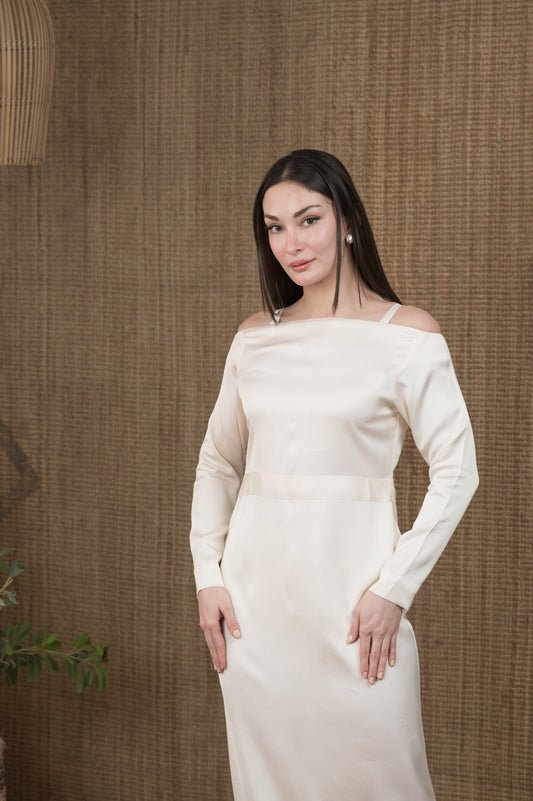
There is a reason silk has stayed relevant across centuries while countless other fabrics have come and gone from fashion entirely. The way it catches light, moves with the body, and feels against the skin cannot be easily replicated by synthetic alternatives, no matter how advanced textile technology becomes. Understanding what makes designer silk dresses genuinely special helps separate a worthwhile investment from a piece that only looks the part in a photograph.
The Difference Between Real Silk and Silk Blends
Not everything labeled silk in a store actually behaves like true silk once worn for an extended period. Many blends mix in synthetic fibers to reduce cost, and this changes how the fabric drapes, breathes, and ages over time.
Genuine silk has a distinct weight and fluidity that synthetic mixes struggle to copy convincingly. It moves fluidly with each step rather than clinging or holding a stiff shape, which is exactly what gives a well-made silk dress its signature elegant movement.
Why Silk Feels Different Against the Skin
Comfort in silk comes from more than just softness on the surface, though that is usually the first thing people notice when they touch it.
Silk is naturally breathable, allowing air to pass through the fibers rather than trapping heat close to the body. It also regulates temperature reasonably well, staying cool in warmer settings while still offering some warmth in cooler rooms, which makes it more versatile than most other formal fabrics.
Construction Details That Signal Real Quality
Spotting genuine quality in a silk dress requires looking beyond the fabric itself and examining how the entire garment is put together.
- French seams prevent fraying and add durability over repeated wear
- Hand-finished hems lie flatter than machine-stitched alternatives
- Proper lining prevents the silk from clinging or showing through
- Weighted hems help the fabric hang correctly without bunching
These details rarely appear in product photos, yet they are exactly what separates a dress that lasts for years from one that unravels after a handful of wears.
Styling Silk for Different Occasions
A well-made silk dress rarely needs much additional styling, since the fabric itself does most of the visual work on its own.
- Pair it with minimal jewelry to let the fabric’s natural sheen stand out
- Add a structured blazer for daytime formal settings
- Keep footwear simple to avoid competing with the dress’s movement
- Choose a smaller bag over a bulky one to maintain the overall silhouette
Overloading a silk piece with heavy accessories often works against it, since the fabric already carries visual weight and interest on its own.
Why Silk Dresses Work Across Seasons
Unlike many fabrics restricted to a single season, silk transitions reasonably well between different times of the year with small styling adjustments.
In warmer months, silk breathes well and stays cool against the skin during long events. In cooler seasons, layering a light coat or cardigan over a silk dress extends its wearability without compromising the elegant drape underneath.
This seasonal flexibility is part of why silk pieces, despite a higher upfront cost, often deliver better long-term value than trend-driven fast fashion alternatives.
Caring for Silk So It Lasts
Silk requires more careful handling than most everyday fabrics, and skipping proper care shortens the garment’s usable life considerably.
Hand washing in cold water with a gentle detergent protects the fibers far better than machine washing, which can damage the delicate weave over repeated cycles. Avoid wringing the fabric, and instead lay it flat to dry away from direct sunlight, which can fade the color over time.
Steaming rather than ironing directly prevents heat damage while still removing wrinkles effectively before an event. A small amount of extra care during washing and storage pays off significantly in how long a silk dress stays wearable.
Common Mistakes to Avoid With Silk
Even careful shoppers make a few predictable mistakes when buying women’s dresses online, especially premium silk garments. Exposing silk directly to perfume or deodorant can cause staining that becomes very difficult to remove afterward. Storing it on a wire hanger can leave permanent indentation marks in the shoulders over time.
Choosing the wrong size is another common issue, since silk has minimal stretch compared to synthetic blends. When purchasing women’s dresses online, checking the size guide carefully helps you choose the right fit from the start and prevents the need for extensive alterations later.
FAQs
How can I tell if a dress is made from real silk? Genuine silk has a distinct weight and fluid drape, and it typically feels warmer to the touch initially compared to cooler synthetic fabrics.
Is silk a practical fabric for everyday wear?
It works best for special occasions and formal settings rather than daily wear, mainly due to the delicate care it requires.
Can silk dresses be worn in both summer and winter?
Yes, with adjustments. Silk breathes well in summer and can be layered with a coat or cardigan during colder months.
What is the best way to wash a silk dress at home?
Hand washing in cold water with a gentle detergent, followed by air drying flat away from sunlight, works best for most silk garments.
Why do silk dresses cost more than other formal options?
The fabric itself is more expensive to produce, and quality construction techniques like French seams and hand finishing add to the overall cost.











Leave a Reply