

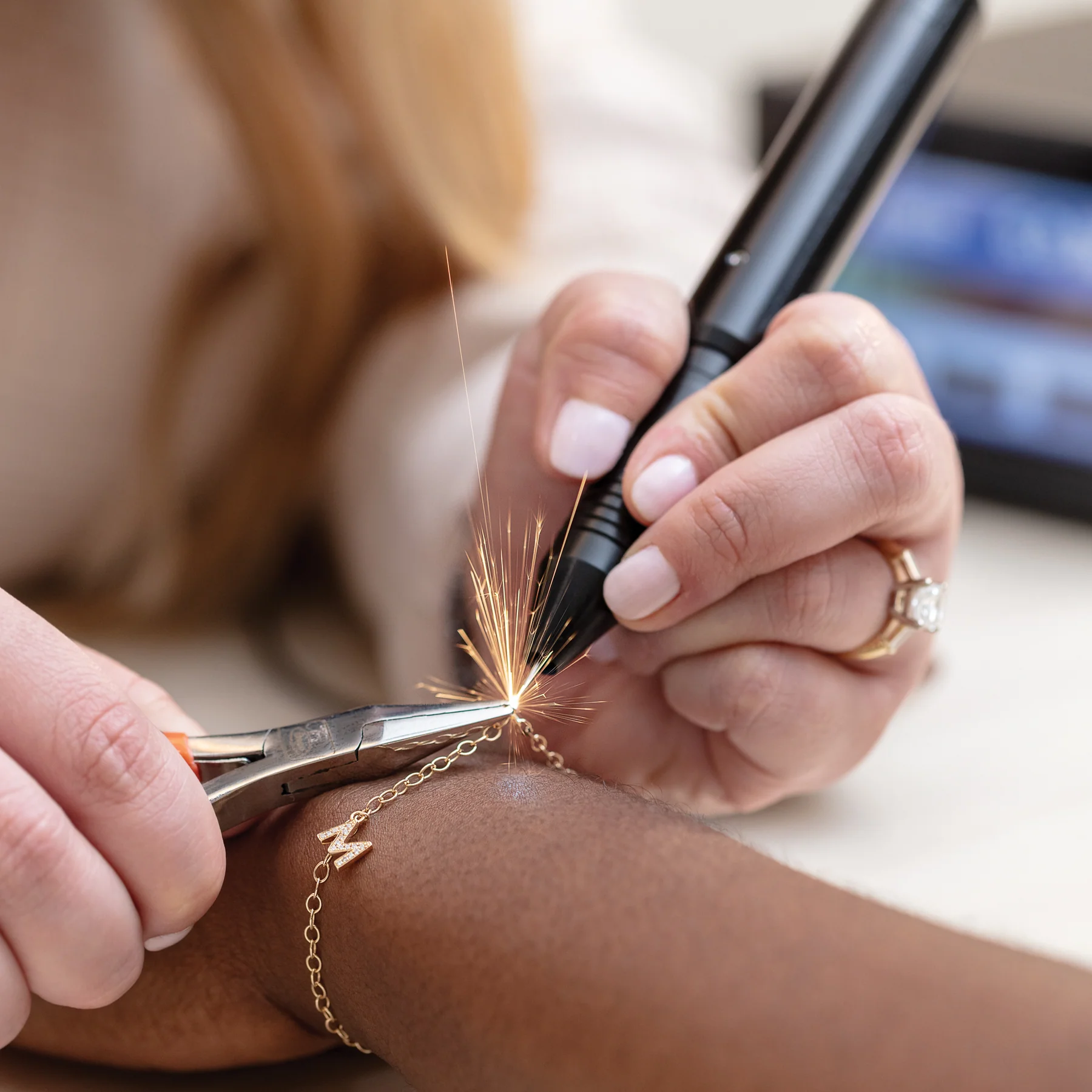
Jewelry that is worn every day naturally becomes part of a person’s routine. Among modern jewelry trends, welded bracelets and necklaces have gained popularity because they offer a seamless appearance and often carry personal meaning. Unlike traditional pieces that use clasps, these accessories are designed to remain in place for long periods, creating a simple and uninterrupted look.
Although these pieces are intended for continuous wear, they are still subject to the effects of daily life. Exposure to physical activity, accidental snags, and normal wear can occasionally create situations where professional attention becomes necessary. Knowing how repairs are handled can help owners keep their jewelry in excellent condition for years.
Why Permanent Jewelry Sometimes Requires Repair
Permanent Jewelry is crafted to withstand regular use, but it remains a delicate accessory. Chains can stretch, links can weaken, and unexpected situations can place stress on even well-made pieces.
Daily activities often expose jewelry to conditions that were never intended to cause damage, yet repeated movement and occasional accidents can gradually affect its structure. The need for repair does not necessarily indicate poor quality. In many cases, it is simply the result of long-term wear.
Common Issues That Lead to Repairs
Several circumstances can result in the need for professional maintenance.
Typical Problems Jewelry Owners Encounter
- A chain may break after becoming caught on clothing, sports equipment, handbags, or household objects. Even durable precious metals can experience strain when subjected to sudden pulling or twisting forces over time.
- Individual links can wear down gradually due to constant movement against the skin and repeated exposure to everyday activities. As these areas weaken, they may eventually require reinforcement or replacement.
- Fine chains occasionally stretch after years of wear. While the piece may still be functional, the altered appearance can affect how it sits on the wrist, ankle, or neck.
- Decorative charms, connectors, or personalized elements can loosen through regular use. Addressing these issues early helps prevent the loss of important components.
- Accidental impacts can distort specific sections of a chain, affecting both the appearance and overall strength of the jewelry. Professional repairs can often restore these areas before further damage occurs.
How Jewelers Approach Repairs
Repairing Permanent Jewelry is generally a straightforward process when handled by an experienced jeweler. The exact approach depends on the type of damage and the condition of the chain.
The first step usually involves a detailed inspection. A jeweler evaluates the affected section and determines whether a simple repair will be sufficient or whether a small replacement section should be added. In many cases, only a minor portion of the original chain requires attention.
Steps Commonly Involved in the Repair Process
- The jeweler carefully examines the damaged area to identify weakened links, stretched sections, or structural concerns that may not be immediately visible to the owner. This evaluation helps ensure that the repair addresses the root cause of the problem.
- If a damaged link is found, it can often be removed and replaced with a matching component. Maintaining consistency in both material and design helps preserve the original appearance of the jewelry.
- Precision welding techniques are frequently used to reconnect the chain after repairs have been completed. This process restores the seamless appearance that many wearers value.
- Charms and decorative additions are inspected to verify that they remain securely attached. This step reduces the likelihood of future issues involving loose components.
- Once the repair is complete, the jewelry is tested for durability, comfort, and visual consistency before it is returned to the wearer.
Can Welded Jewelry Be Removed for Repair?
Yes, welded jewelry can be safely removed whenever necessary. Although these pieces are designed for long-term wear, they can be cut without damaging most of the chain.
Some individuals choose to remove their jewelry for medical procedures, workplace requirements, travel considerations, or repair appointments. After the issue has been addressed, the chain can usually be rewelded and restored to its original appearance.
This flexibility makes welded jewelry a practical option for people who appreciate continuous wear while still wanting the ability to address occasional maintenance needs.
How Material Choice Affects Repairs
The type of metal used in a jewelry piece plays a significant role in how repairs are performed. Sterling silver, gold-filled materials, and solid gold all have different characteristics that influence durability and repair techniques.
Higher-quality metals often tolerate repeated wear more effectively and may respond better to professional restoration methods. Skilled jewelers carefully select repair procedures that maintain the strength of the material while preserving its appearance.
Investing in quality materials from the beginning can reduce future maintenance concerns and help extend the lifespan of the piece.
Preventing Future Damage
While repairs are sometimes unavoidable, proper care can help minimize the risk of problems.
Avoiding situations where the chain may become caught or subjected to excessive force can significantly improve longevity. Activities involving heavy equipment, intense physical movement, or repetitive pulling motions may increase stress on delicate links.
Regular inspections are equally valuable. Identifying small signs of wear before they become major issues often allows for simpler and less expensive repairs.
The Importance of Professional Repairs
Attempting jewelry repairs at home can sometimes create additional damage. Using improper tools or techniques may weaken the chain further and affect its overall appearance.
Professional jewelers possess specialized equipment and years of experience working with delicate chain structures. Their expertise allows them to perform repairs that blend naturally with the original design while maintaining durability.
For pieces that hold sentimental significance, professional repair services provide an added level of confidence that the jewelry will retain both its appearance and personal value.
FAQs
Can a welded jewelry chain be repaired if it breaks?
Yes, most welded chains can be successfully repaired by an experienced jeweler. The damaged section is typically inspected to determine whether individual links need replacement or reinforcement. In many cases, the repair is subtle enough that it becomes difficult to identify where the break originally occurred. Professional techniques help restore both appearance and durability.
Will a repaired chain look different afterward?
A professionally restored piece usually retains an appearance very close to the original design. Jewelers use matching materials and carefully align replacement components to maintain consistency throughout the chain. While extensive damage may occasionally require a larger repair area, most restoration work blends naturally with the surrounding sections and remains difficult to notice.
How long does jewelry repair usually take?
Repair times vary depending on the complexity of the issue and the jeweler’s workload. Minor chain repairs may be completed relatively quickly when only a small section requires attention. More extensive restoration projects can take additional time because the jeweler must ensure that the finished piece is structurally sound, comfortable to wear, and visually consistent with the original design.









Leave a Reply