Vapor Mitigation Texas Protecting Buildings from Harmful Vapor Intrusion
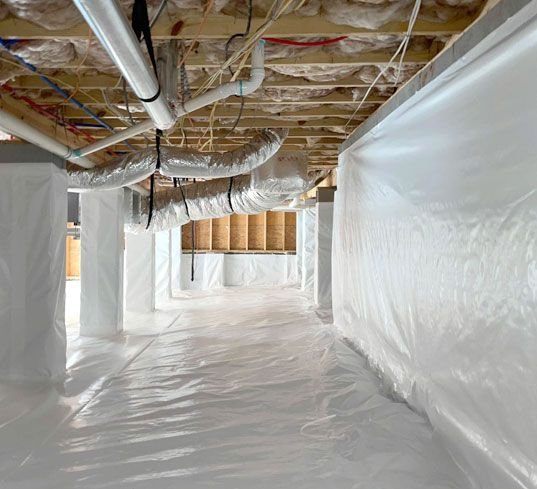
vapor mitigation Texas
Understanding Vapor Mitigation in Texas
Vapor mitigation is an essential environmental protection process designed to prevent harmful soil gases and chemical vapors from entering residential, commercial, and industrial buildings. Across Texas, increasing urban development and redevelopment of former industrial properties have made vapor mitigation systems more important than ever. Property owners, developers, and environmental consultants rely on vapor mitigation solutions to ensure indoor air quality remains safe and compliant with environmental regulations. Vapor intrusion occurs when volatile chemicals present in contaminated soil or groundwater migrate upward through the ground and enter a building through cracks, utility openings, and foundation gaps. Without proper mitigation, these vapors can pose health risks to occupants and create regulatory challenges for property owners.
Why Vapor Mitigation Matters in Texas
Texas is home to a wide range of industrial facilities, manufacturing plants, refineries, and commercial properties. Many sites have historical contamination from petroleum products, solvents, and industrial chemicals. As redevelopment projects continue to grow throughout major cities such as Houston, Dallas, Austin, San Antonio, and Fort Worth, the need for effective vapor mitigation Texas services continues to increase.
A properly designed vapor mitigation system helps:
- Protect building occupants from harmful chemical exposure
- Improve indoor air quality
- Support environmental compliance
- Reduce liability risks for property owners
- Facilitate property transactions and redevelopment projects
- Meet state and federal environmental requirements
By addressing vapor intrusion concerns early, property owners can avoid costly remediation issues in the future.
Common Sources of Vapor Intrusion
Several contaminants can create vapor intrusion concerns beneath buildings. Common sources include:
Petroleum Hydrocarbons
Gas stations, fuel storage facilities, and petroleum handling sites may leave behind contaminants that generate vapors capable of migrating into structures.
Chlorinated Solvents
Industrial cleaning operations often use solvents that can contaminate soil and groundwater. These chemicals may volatilize and enter nearby buildings.
Industrial Waste Sites
Former manufacturing and industrial properties frequently contain residual contaminants that create vapor intrusion risks during redevelopment.
Landfills and Waste Disposal Areas
Decomposing waste materials can generate gases that migrate through the soil and affect nearby structures. Understanding the source of contamination is critical when designing an effective vapor mitigation Texas strategy.
Types of Vapor Mitigation Systems
Several technologies are available to address vapor intrusion issues. The most suitable solution depends on site conditions, contamination levels, building design, and regulatory requirements.
Vapor Barrier Systems
Vapor barriers are specially engineered membranes installed beneath building foundations. These barriers prevent harmful vapors from entering indoor spaces by creating a physical separation between contaminated soil and the structure. High-performance vapor barriers are commonly used during new construction projects throughout Texas.
Sub-Slab Depressurization Systems
Sub-slab depressurization systems create negative pressure beneath a building’s foundation. This approach captures and redirects vapors before they can enter occupied spaces. These systems are often considered one of the most effective methods for long-term vapor mitigation.
Passive Venting Systems
Passive systems use natural airflow to vent soil gases from beneath structures. They are frequently installed in conjunction with vapor barriers and may be suitable for sites with lower contamination levels.
Active Venting Systems
Active systems utilize mechanical fans and monitoring equipment to continuously remove vapors from beneath a building. These solutions are commonly implemented when contamination concentrations are higher or when regulatory agencies require additional protection.
Vapor Mitigation for New Construction Projects
Developers across Texas increasingly incorporate vapor mitigation measures into new construction projects. Integrating mitigation systems during the construction phase is often more cost-effective than retrofitting a completed building.
Benefits of installing vapor mitigation during construction include:
- Lower installation costs
- Improved system performance
- Reduced project delays
- Easier regulatory approval
- Enhanced long-term property value
Commercial developments, schools, healthcare facilities, warehouses, and residential communities can all benefit from proactive vapor mitigation planning.
Vapor Mitigation for Existing Buildings
Many older structures in Texas were built before vapor intrusion risks were fully understood. Existing buildings located near contaminated properties may require assessment and mitigation to protect occupants.
Environmental professionals typically perform:
- Site investigations
- Soil gas sampling
- Indoor air quality testing
- Groundwater analysis
- Risk assessments
Based on the findings, a customized vapor mitigation solution can be designed and installed with minimal disruption to building operations.
Regulatory Considerations in Texas
Environmental regulations play an important role in vapor mitigation projects. The Texas Commission on Environmental Quality (TCEQ) provides guidance for evaluating vapor intrusion risks and implementing appropriate mitigation measures.
Property owners, developers, and environmental consultants must often demonstrate that mitigation systems effectively reduce potential exposure risks. Proper documentation, testing, and system verification are critical components of regulatory compliance.
Working with experienced vapor mitigation specialists helps ensure projects meet applicable state and federal requirements while maintaining project timelines.
Benefits of Professional Vapor Mitigation Services
Professional vapor mitigation providers bring specialized expertise that can significantly improve project outcomes. Their knowledge of environmental regulations, site assessment techniques, and mitigation technologies helps ensure successful implementation.
Key advantages include:
Customized Solutions
Every site presents unique environmental challenges. Professional consultants design systems tailored to specific site conditions and contamination concerns.
Regulatory Support
Experienced teams understand Texas environmental regulations and can assist with permitting, reporting, and compliance requirements.
Long-Term Performance
Quality installation and ongoing monitoring help ensure vapor mitigation systems continue functioning effectively over time.
Risk Reduction
Proper mitigation minimizes health concerns, legal exposure, and environmental liabilities associated with vapor intrusion.
Choosing a Vapor Mitigation Company in Texas
Selecting the right contractor is crucial for project success. When evaluating vapor mitigation providers, consider factors such as:
- Industry experience
- Environmental expertise
- Regulatory knowledge
- Proven project history
- Quality assurance procedures
- Monitoring and maintenance capabilities
A reputable company will conduct a thorough site evaluation, recommend the most effective mitigation approach, and provide ongoing support throughout the project lifecycle.
The Future of Vapor Mitigation in Texas
As Texas continues to experience rapid growth and redevelopment, vapor mitigation will remain a critical component of environmental site management. Advances in vapor barrier technology, monitoring systems, and remediation methods are helping property owners address contamination challenges more efficiently than ever before. From commercial developments and industrial facilities to residential communities, vapor mitigation systems provide essential protection against vapor intrusion risks. Investing in effective vapor mitigation Texas solutions not only safeguards building occupants but also supports long-term property value and regulatory compliance. Whether for new construction or existing structures, implementing a well-designed vapor mitigation system is a proactive step toward creating safer, healthier indoor environments throughout Texas.
About The Author