

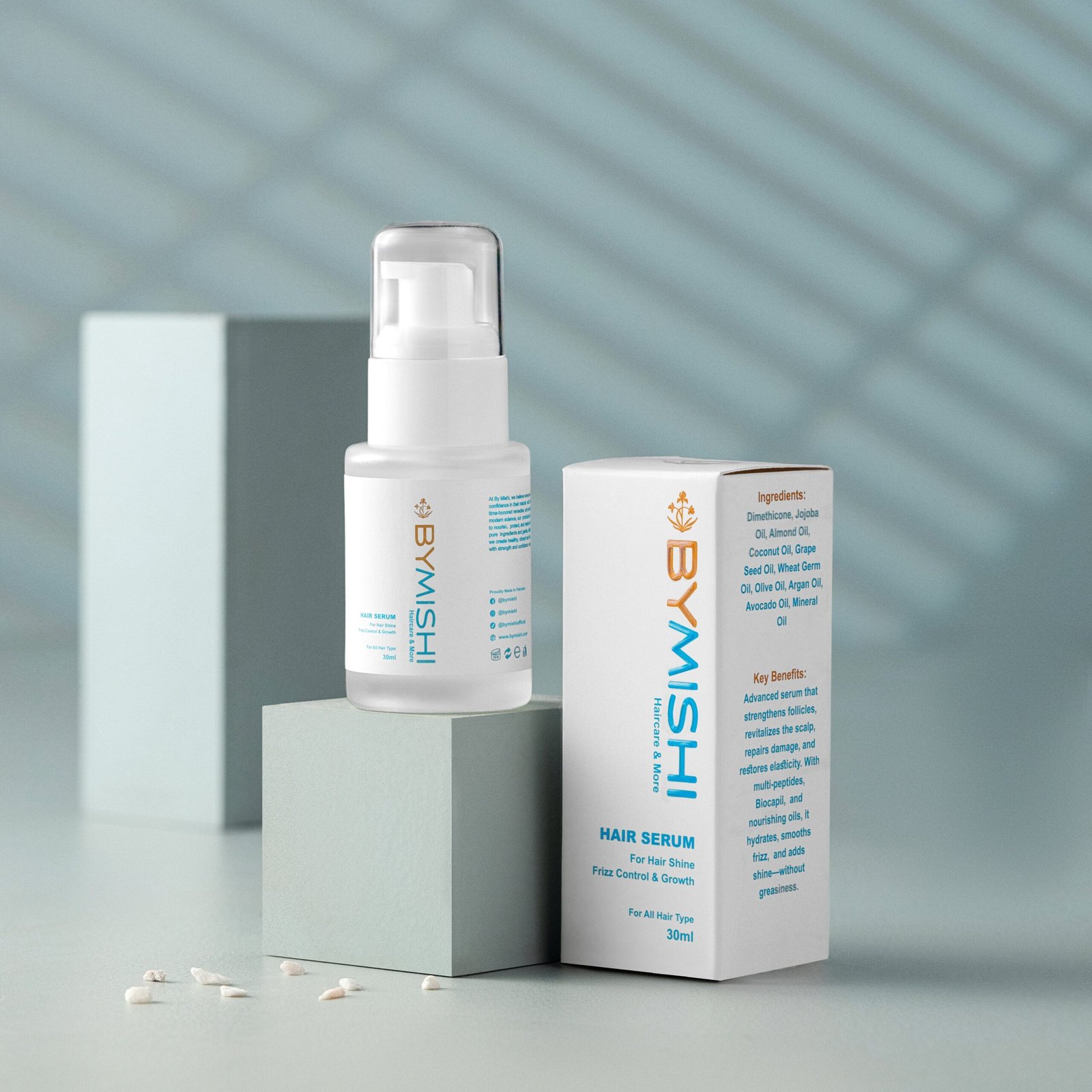
Hair serum has become an essential part of modern hair care routines, offering a quick and effective solution for managing various hair concerns. Whether you’re dealing with frizz, dryness, or dullness, understanding how to use hair serum properly can make a significant difference in your hair’s appearance and health.
What is Hair Serum?
Hair serum is a specialized styling product designed to coat the surface of your hair strands. Unlike conditioners that penetrate the hair shaft, hair serum works on the outside, creating a protective layer that seals the cuticle. This lightweight, silicone-based product typically has a smooth, liquid consistency that spreads easily through your hair without leaving a greasy residue when used correctly.
The primary purpose of hair serum is to add shine, reduce frizz, and protect your hair from environmental damage. Think of it as a finishing touch that polishes your hairstyle and keeps your locks looking healthy throughout the day.
Key Benefits of Using Hair Serum
The popularity of hair serum continues to grow because of its multiple benefits. When incorporated into your hair care routine, hair serum can provide remarkable improvements in both appearance and manageability.
Frizz Control: One of the most celebrated benefits of hair serum is its ability to tame unruly, frizzy hair. The serum smooths down the hair cuticle, preventing moisture from penetrating and causing frizz, especially in humid conditions.
Enhanced Shine: Hair serum adds instant gloss and luminosity to dull, lifeless hair. The light-reflecting properties create a healthy-looking shine that makes your hair appear more vibrant and well-maintained.
Heat Protection: Many hair serum formulations include ingredients that create a barrier between your hair and heat styling tools. This protection is crucial for preventing damage from blow dryers, flat irons, and curling wands.
Detangling: Applying hair serum makes combing and brushing easier by reducing friction between hair strands. This benefit is particularly helpful for people with long or thick hair that tends to knot easily.
Split End Management: While hair serum cannot repair split ends permanently, it can temporarily seal them and prevent further splitting by keeping the hair cuticle smooth and protected.
Types of Hair Serum
Understanding the different types of hair serum available helps you choose the right product for your specific needs.
Silicone-Based Serum: The most common type, silicone-based hair serum provides excellent shine and frizz control. These formulations work well for most hair types but should be used sparingly on fine hair to avoid weighing it down.
Oil-Based Serum: Made with natural oils like argan, coconut, or jojoba, oil-based hair serum offers nourishment along with styling benefits. These serums are ideal for dry, damaged, or chemically treated hair.
Water-Based Serum: Lighter than their counterparts, water-based hair serum products are perfect for fine or oily hair types. They provide moisture and shine without the heavy feeling.
Anti-Frizz Serum: Specifically formulated to combat humidity and frizz, this type of hair serum contains ingredients that create a stronger moisture barrier around each strand.
Color-Protecting Serum: Designed for color-treated hair, these hair serum formulations include UV filters and antioxidants to prevent color fading and maintain vibrancy.
How to Use Hair Serum Correctly
Using hair serum properly ensures you get maximum benefits without common problems like greasy or weighed-down hair.
Start with Clean Hair: Apply hair serum to freshly washed, towel-dried hair. Your hair should be damp but not dripping wet, as this allows for better distribution and absorption.
Use the Right Amount: Less is more when it comes to hair serum. Start with just one or two pumps for short to medium-length hair, and increase to three or four pumps for long, thick hair. You can always add more if needed.
Focus on the Ends: Concentrate the hair serum application on the mid-lengths and ends of your hair, where damage and dryness are typically most prominent. Avoid applying directly to the roots, as this can make your hair look greasy.
Distribution Technique: Rub the hair serum between your palms first, then run your hands through your hair from mid-length to the tips. Use your fingers or a wide-tooth comb to ensure even distribution.
Timing Matters: For best results, apply hair serum before heat styling as a protective measure. You can also use a small amount on dry hair as a finishing product to add shine and control flyaways.
Choosing the Right Hair Serum for Your Hair Type
Selecting the appropriate hair serum depends on your specific hair characteristics and concerns.
Fine Hair: Look for lightweight, water-based hair serum formulations that won’t weigh down your strands. Use minimal amounts and focus primarily on the ends.
Thick or Coarse Hair: Richer, oil-based hair serum works well for thick hair, providing the necessary moisture and control. You can be more generous with the application.
Curly Hair: Choose a hair serum that emphasizes moisture and frizz control. Curly hair benefits from serums containing natural oils that enhance curl definition while reducing frizz.
Colored Hair: Opt for hair serum with UV protection and color-preserving ingredients to maintain your color’s vibrancy and prevent fading from sun exposure.
Damaged Hair: Seek hair serum enriched with proteins and vitamins that help repair and strengthen weakened strands while providing protection from further damage.
Common Mistakes to Avoid
Even with the right hair serum, incorrect usage can lead to disappointing results.
Over-Application: Using too much hair serum is the most common mistake. Excess product makes hair look greasy and flat, especially at the roots.
Wrong Placement: Applying hair serum directly to your scalp can clog pores and make hair appear oily. Always focus on the lengths and ends.
Skipping Heat Protection: If you’re using heat tools, never skip applying hair serum beforehand. The protective barrier it creates is essential for preventing heat damage.
Using on Dirty Hair: Applying hair serum to hair that hasn’t been washed recently only adds to buildup, making hair look dull and lifeless.
Maximizing Your Hair Serum Results
To get the most from your hair serum investment, combine it with healthy hair care practices. Regular trims help remove damaged ends that serum can only temporarily improve. Deep conditioning treatments complement hair serum by nourishing from within while the serum protects from outside.
Protect your hair from environmental stressors by wearing hats in harsh sun or covering your hair in chlorinated pools. Remember that hair serum is a styling aid, not a substitute for proper nutrition and hydration.
To Read More BLogs: Click Here
Conclusion
Hair serum is a versatile and valuable addition to any hair care routine when used correctly. By understanding your hair type, choosing the right formulation, and applying the product properly, you can achieve smoother, shinier, and healthier-looking hair. Start with small amounts, focus on the ends, and adjust your usage based on your hair’s response. With consistent use and proper technique, hair serum can transform your daily hair care routine and help you achieve the beautiful, manageable hair you desire.


























Leave a Reply