The Complete Guide to Fuse Holders and Fuse Switch
Why Fuses Still Matter: The Complete Guide to Fuse Holders and Fuse Switch Disconnectors in Modern Electrical Installations
Fuses and fuse-based protective devices remain fundamental components of electrical installations across India despite the widespread adoption of circuit breakers. Their simplicity, reliability, and cost-effectiveness make them the preferred protection solution for many applications, particularly in industrial and distribution environments where their current-limiting characteristics provide protection advantages over standard circuit breakers. Lauritz Knudsen Smartshop provides a comprehensive range of fuse holders and fuse switch disconnectors for every application in residential, commercial, and industrial electrical systems.
The Role of Fuses in Electrical Protection
A fuse is a sacrificial protection device that melts and interrupts the circuit when the current through it exceeds its rated value. Once a fuse has operated, it must be replaced rather than reset, which is a limitation compared to circuit breakers but also a confirmation that a fault has occurred that requires investigation before the circuit is restored.
Current Limiting Properties of Fuses
One of the most important advantages of fuses over circuit breakers is their current-limiting action during severe short circuits. High rupturing capacity fuses, known as HRC fuses, limit the peak fault current that flows through the circuit to a value significantly below the prospective short circuit current. This reduced fault energy protects downstream equipment from the mechanical and thermal stresses of high fault currents.
HRC Fuse Types
HRC fuses, also called High Rupturing Capacity fuses, are sand-filled cartridge fuses capable of safely interrupting fault currents of tens of kiloamperes. They are available in standard sizes including BS88 and DIN types, covering current ratings from 2 amps to 1250 amps and beyond for industrial distribution applications.
Fuse Holders
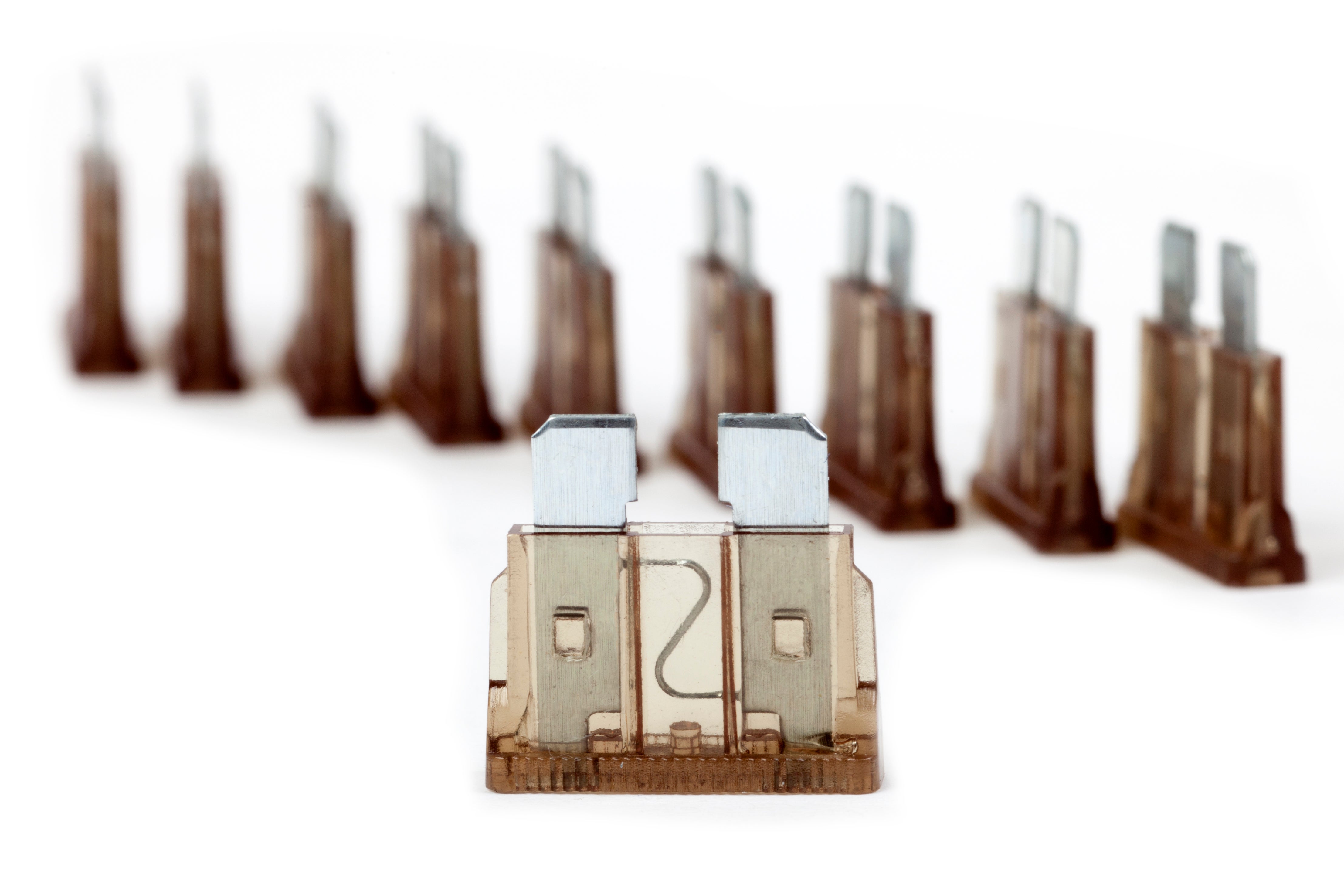
A fuse holder is the mechanical assembly that provides the correct mechanical support and electrical connection for a specific fuse type and size. The fuse holder must be rated to handle the continuous current of the fuse without excessive heating and must make reliable electrical contact with the fuse under all operating conditions.
Fuse Carrier and Base
Standard industrial fuse holders consist of a fuse carrier that holds the fuse element and insulates the line end from touch when the carrier is withdrawn for fuse replacement, and a fuse base that is fixed to the distribution board or panel and provides the supply and load connections. This two-part system enables safe fuse replacement under energized conditions.
DIN Rail Fuse Holders
DIN rail fuse holders mount directly on the standard 35mm DIN rail used in distribution boards and control panels, allowing fuses to be integrated into panel designs alongside circuit breakers, contactors, and other rail-mounted components. This enables compact, organized panel layouts without requiring separate fuse mounting boards.
Miniature Fuse Holders
Miniature fuse holders for panel-mounted or PCB-mounted fuses provide protection for control circuit power supplies, instrumentation circuits, and other low-current applications where the large physical size of industrial fuse assemblies is inappropriate.
Fuse Switch Disconnectors
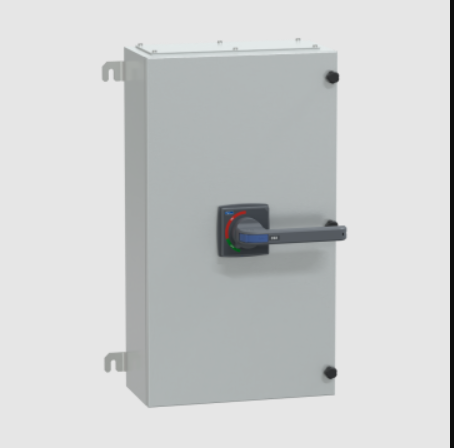
A fuse switch disconnector combines the functions of a fuse and a switch in a single device, providing both circuit protection through the fuse element and isolation capability through the switch mechanism. This combination simplifies distribution board design and provides safe isolation for maintenance without requiring a separate isolating switch.
How Fuse Switch Disconnectors Work
The fuse switch disconnector allows the circuit to be isolated by opening the switch handle, which simultaneously removes the fuse carriers from the circuit. Maintenance can then be performed safely because both poles of the circuit are broken and the fuse carriers with their fuse elements can be removed to prevent inadvertent re-energization.
Three Phase Fuse Switch Disconnectors
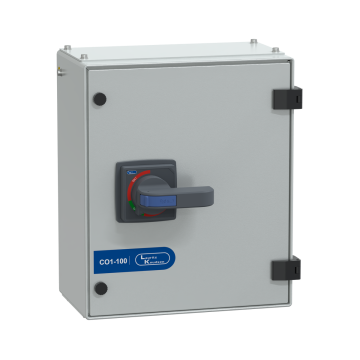
Three phase fuse switch disconnectors provide simultaneous switching and fuse protection for all three phases of a three-phase supply. They are commonly used as incomer switches for distribution boards, feeder circuits for large motors, and main isolation switches for industrial control panels.
Current Ratings and Fuse Link Sizes
Fuse switch disconnectors from Lauritz Knudsen Smartshop are available in multiple current ratings to suit different distribution circuit sizes. The fuse link size must match the frame size of the fuse switch disconnector, and the fuse current rating must be selected to provide correct protection for the circuit cable and connected load.
Applications of Fuse Holders and Fuse Switch Disconnectors
Fuse holders and fuse switch disconnectors are used in a wide range of applications across the electrical installation spectrum.
- Main isolation for motor control centers, providing both fuse protection and safe isolation capability for maintenance of motor starters and drives.
- Feeder circuit protection in distribution boards where HRC fuses provide current-limiting protection that is not available from standard MCBs.
- Control circuit protection using miniature fuse holders that protect the control power supply to PLC systems, relay panels, and instrumentation circuits.
Fuse Selection and Replacement Guidance
Correct fuse selection and safe fuse replacement procedures are essential knowledge for any electrical professional working with fuse-based protection systems. Incorrect fuse selection is one of the most common causes of both inadequate protection and nuisance fuse operation in Indian electrical installations.
Fuse Current Rating Selection
The fuse current rating must be selected to allow the circuit to operate normally under its maximum expected load current while providing protection against overloads and short circuits. Using a fuse with too high a current rating defeats the protection function and creates a serious fire and equipment damage risk.
Safe Fuse Replacement
Fuses must only be replaced after the circuit has been de-energized and isolated. The replacement fuse must have exactly the same current rating, voltage rating, and type as the original fuse. Installing a fuse of a different type, even if the current rating appears similar, can compromise both protection performance and safety.
Conclusion
Fuse holders and fuse switch disconnectors from Lauritz Knudsen Smartshop provide essential protective and isolation functions across every level of industrial and commercial electrical distribution. With a comprehensive product range covering standard residential fuses to large industrial disconnectors, Lauritz Knudsen SmartShop provides the complete fusing solution for every application.
About The Author