

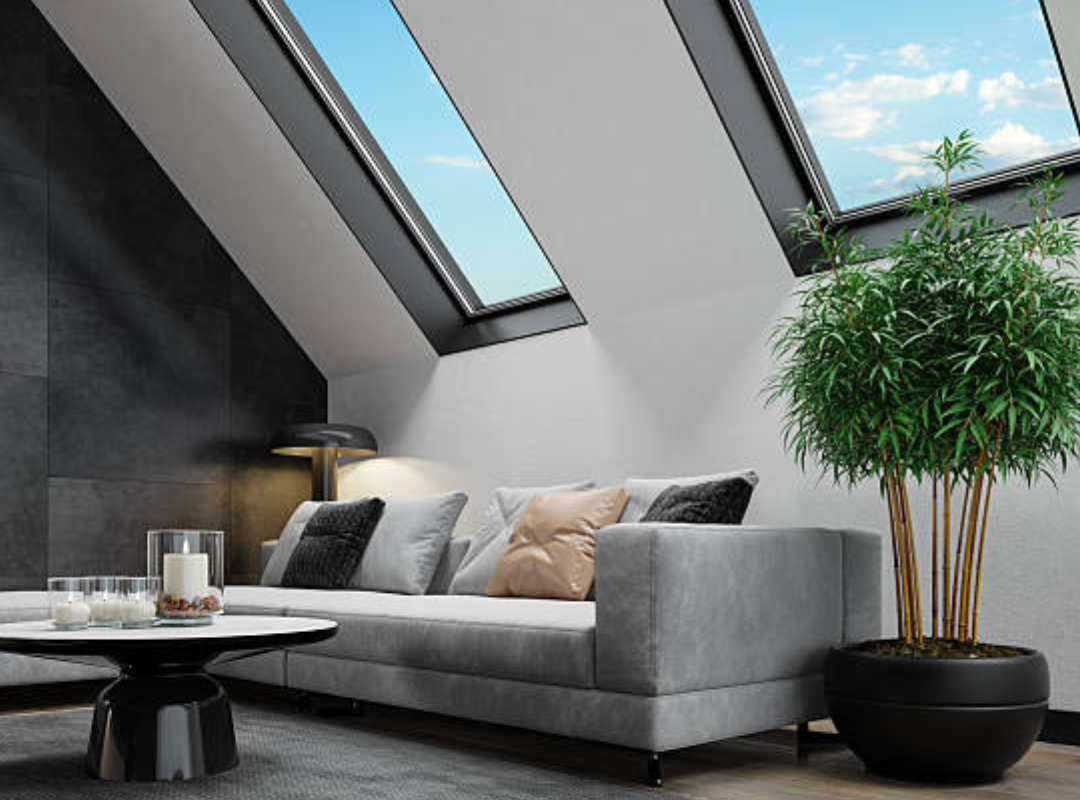
Modern homes are evolving rapidly, and homeowners are increasingly looking for intelligent solutions that improve comfort, efficiency, and long-term value. Among these innovations, the smart skylight has emerged as a key architectural feature for high-performance homes. Unlike traditional roof glazing, these advanced systems combine natural daylighting with automation, environmental sensors, and energy-conscious design. As a result, they help regulate indoor temperatures, reduce reliance on artificial lighting, and enhance overall living quality. More importantly, smart skylights integrate seamlessly with modern building technologies, making them ideal for homeowners who prioritise sustainability, convenience, and future-ready living environments without compromising on aesthetics or performance.
What Makes a Smart Skylight Ideal for High-Performance Homes
A smart skylight is designed to do far more than allow daylight into a space. It uses built-in technology such as rain sensors, temperature monitoring, and automated controls to respond intelligently to environmental conditions. For example, the skylight can close automatically during rainfall or open to release hot air on warmer days. This level of automation supports high-performance home standards by reducing unnecessary energy loss and improving indoor comfort. Furthermore, integration with smart home systems allows homeowners to manage ventilation and lighting remotely, ensuring that the home adapts efficiently to daily routines and seasonal changes while maintaining optimal internal conditions.
High-performance homes require materials and systems that work together cohesively, and advanced skylight technology supports this goal effectively. By responding dynamically to changing weather and indoor conditions, these systems help stabilise internal temperatures throughout the year. This reduces pressure on heating and cooling systems, which in turn lowers energy consumption and utility costs. Additionally, automation eliminates the risk of human error, such as leaving a skylight open during bad weather. Over time, these features contribute to improved durability, reduced maintenance requirements, and a more resilient home that performs consistently under varying environmental conditions.
Energy Efficiency Benefits of a Smart Skylight
One of the most compelling advantages of a smart skylight is its contribution to energy efficiency. By maximising natural daylight, homeowners can significantly reduce the need for artificial lighting during daytime hours. Advanced glazing technology further enhances insulation, minimising heat loss during colder months and reducing heat gain in summer. As a result, interior spaces remain comfortable without excessive reliance on mechanical systems. In high-performance homes, where energy efficiency is a top priority, this balance of daylighting and thermal control supports lower carbon emissions while delivering long-term cost savings and a more sustainable lifestyle overall.
Beyond lighting efficiency, intelligent skylight systems also play a crucial role in passive ventilation strategies. Warm air naturally rises, and automated opening features allow excess heat to escape through the roof, improving indoor air circulation. This is particularly beneficial in open-plan living areas or upper-storey rooms that are prone to overheating. By reducing humidity and stale air, the system supports healthier indoor environments. Consequently, homeowners experience improved comfort levels while relying less on energy-intensive cooling solutions, reinforcing the principles of smart, high-performance residential design.
In many modern properties, roof glazing works alongside other daylighting solutions to create bright, functional interiors. For instance, rooflights and skylight installations are often combined with open layouts to distribute light evenly throughout the home. When integrated thoughtfully, these features enhance visual comfort while maintaining energy efficiency. Strategic placement ensures that natural light penetrates deeper into living spaces, reducing dark zones and improving overall spatial quality. This holistic approach to daylighting aligns well with high-performance building goals, where every design element serves both aesthetic and functional purposes.
Advanced Controls and Home Automation Integration
Another defining feature of a smart skylight is its ability to integrate seamlessly with broader home automation systems. Homeowners can control skylight functions through wall-mounted panels, mobile apps, or voice assistants, allowing for precise management of ventilation and daylight. Scheduled settings ensure that skylights operate automatically based on time of day or indoor conditions, enhancing convenience and efficiency. Moreover, real-time monitoring provides valuable insights into temperature and air quality, enabling homeowners to make informed decisions that further optimise home performance without constant manual intervention.
Aesthetics also play an important role in high-performance homes, and modern skylight designs reflect this balance between form and function. Frameless skylights, for example, offer a sleek, minimalist appearance that complements contemporary architecture while maximising visible sky views. Their clean lines and reduced structural elements allow more daylight to enter without visual obstruction. At the same time, advanced glazing ensures thermal performance is not compromised. This combination of elegant design and technical efficiency makes them particularly appealing for homeowners seeking both visual impact and long-term performance benefits.
Long-Term Value and Sustainability Considerations
Investing in a smart skylight can also enhance the long-term value of a property. High-performance homes are increasingly sought after due to rising energy costs and growing environmental awareness. Intelligent skylight systems demonstrate a commitment to sustainable living, which appeals to future buyers and supports higher resale values. Additionally, durable materials and automated protection features reduce wear and tear, extending product lifespan. Over time, these benefits translate into lower maintenance costs, improved reliability, and a home that continues to perform efficiently well into the future.
Ultimately, smart skylight technology represents a forward-thinking approach to residential design. By combining natural light, intelligent automation, and energy-conscious engineering, homeowners can create spaces that are comfortable, efficient, and visually appealing. As building standards continue to evolve, integrating a smart skylight into high-performance homes is no longer a luxury but a practical investment. It supports healthier living environments, reduces environmental impact, and aligns seamlessly with modern lifestyles, making it a key feature in the future of sustainable home design.




















Leave a Reply