


Packing for a house move often starts with good intentions and ends with piles of random cartons across the living room. Many people underestimate how much difference the right box can make. When items are packed in suitable moving boxes, the entire relocation process becomes smoother. Things stack properly, fragile items stay protected, and unpacking later feels far less stressful.
Professional movers know this well. In fact, the packing methods used during household moves are very similar to those used by logistics teams in shipping warehouses. The principle is simple: match the packaging’s strength to the weight and type of the items inside.
Why Does the Quality of a Box Matter When Packaging?
It is easy to assume that all cartons work the same way, but anyone who has seen a box collapse during a move knows that is not true. The durability of cardboard boxes depends on how the cardboard is made and how much weight it can carry.
For example, clothes and cushions place very little pressure on the sides of a carton. Heavy items such as books or cookware are a completely different story. When a weak box carries too much weight, the bottom can tear, or the corners may bend during lifting.
This is one reason removal teams usually choose packaging carefully instead of relying on leftover cartons from grocery deliveries.
Which Boxes Should be Used for Fragile Household Items?
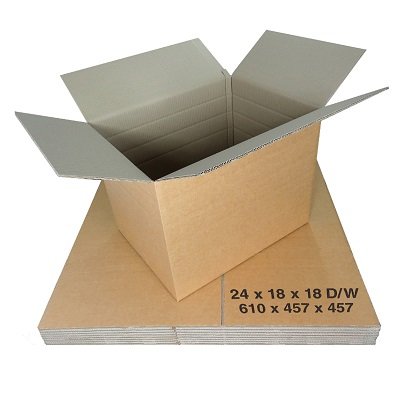
Kitchenware is usually the most delicate part of any move. Plates, glassware, and decorative ceramics can easily break if the packaging bends or shifts during transport. To reduce this risk, movers often pack fragile items in double wall boxes.
These cartons contain two layers of corrugated board instead of one. That extra layer gives the box greater strength and helps it withstand pressure when several cartons are stacked.
Good packing habits also make a difference. A simple technique used by experienced packers includes:
- Wrapping each fragile item separately
- Placing heavier pieces at the bottom
- Filling gaps with packing paper or padding
- Sealing the box firmly with strong tape
This method helps keep everything stable inside the carton.
How Should Belongings be Organised Before Packing?
Packing randomly usually leads to overloaded cartons and misplaced belongings. Movers typically start by grouping items by weight and size.
Bulky but lightweight items like blankets, pillows, and jackets usually go into larger moving boxes. Books, small appliances, and tools are better packed in smaller cartons so they do not become too heavy to lift.
Sorting belongings by room can also make unpacking easier. When each carton clearly belongs in a specific space, setting up the new home becomes much quicker.
Are Smaller Boxes Useful During a House Move?
Large cartons handle most household goods, but smaller boxes can still be very helpful. Documents, cables, photo frames, and small electronics often get buried inside bigger cartons.
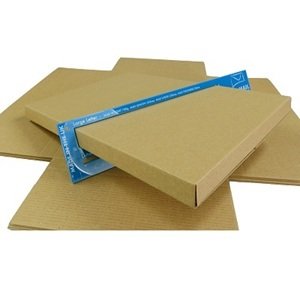
Slim large letter boxes are useful for keeping these smaller items organised. Because they are designed for compact shipments, they securely hold flat objects without leaving much space. Many households also use them to store paperwork or electronic accessories, keeping them easy to find.
Having a separate box for these items saves a lot of time later when searching through packed belongings.
What Materials are Commonly Used for Packing Cartons?
Standard Corrugated Board
Most everyday cardboard boxes are made from single-layer corrugated cardboard. These cartons are lightweight and work well for items that do not require heavy protection, such as clothing, soft furnishings, and decorative pieces.
Reinforced Corrugated Board
When extra strength is required, stronger cartons are a better choice. Double wall boxes are designed with two internal layers of corrugated board, which allows them to handle heavier loads or fragile belongings more safely.
Compact Mailing Cartons
Smaller packaging options, such as Large Letter Boxes, are useful when packing items that should remain flat or neatly organised. Their compact shape prevents documents or accessories from sliding around during transport.
What Packing Habits Help Prevent Damage During Transport?
People who work in removals or logistics tend to follow a few basic rules when packing goods. These habits help protect items during movement, stacking, or transport.
Some practical tips include:
- Place heavier items at the bottom of the carton
- Fill empty spaces so nothing moves during transport
- Label boxes clearly with the room name
- Avoid mixing fragile items with heavy tools
These simple steps keep the packing process organised and reduce the chance of damage.
Conclusion
Moving day can feel hectic, especially when dozens of cartons need to be loaded into a van quickly. Using reliable moving boxes helps keep everything stable while items are carried, stacked, and transported.
Many households continue to rely on strong cardboard boxes for everyday belongings because they are practical and easy to handle. Fragile items such as kitchenware often travel more safely in double wall boxes, which provide extra support. Meanwhile, smaller containers, such as Large Letter Boxes, keep documents and small valuables organised rather than getting lost among larger cartons.
Taking time to pack properly might seem like extra effort at first, but it makes the entire move far easier. When each item is packed with the right materials, belongings arrive safely and settling into the new home becomes much more comfortable.



















Leave a Reply