

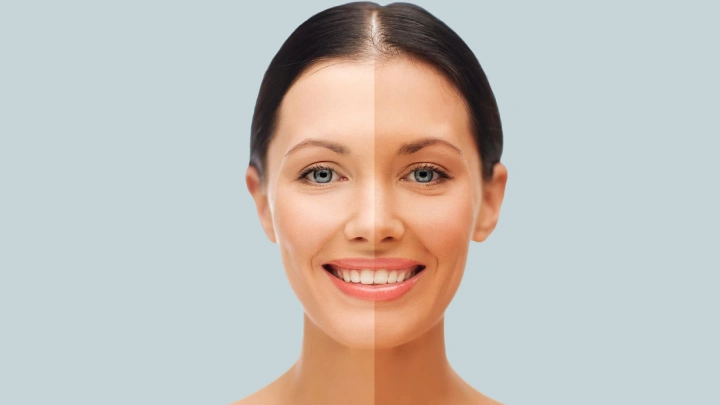
Facials have long been a popular skincare treatment embraced worldwide for their ability to enhance skin health and appearance. Among the myriad of benefits they offer, skin whitening or brightening is a common goal for many individuals seeking a more radiant complexion. But Which Facial is Good for Skin Whitening and how effective are these treatments in achieving the desired glow? This article explores the various facial options, their benefits, and whether they truly deliver on their promises to brighten and whiten the skin.
Understanding Skin Whitening and Its Popularity
What Is Skin Whitening?
Skin whitening involves treatments aimed at reducing pigmentation, dark spots, and uneven skin tone to achieve a brighter, more luminous complexion. It is often sought by individuals looking to improve skin clarity and attain a fairer skin tone. Skin whitening treatments can be achieved through topical products, chemical peels, laser therapies, and facials specifically designed for skin brightening.
Why Are Facials Popular for Skin Whitening?
Facials are popular because they are non-invasive, relaxing, and can be customized to address individual skin concerns. Many facials contain ingredients like vitamin C, licorice extract, and other natural brightening agents that help lighten pigmentation and improve skin tone gradually. They also promote blood circulation, which can contribute to a healthier and more glowing complexion.
Types of Facials for Skin Whitening
1. Brightening/Whitening Facials
These facials are specially formulated with ingredients like vitamin C, kojic acid, arbutin, and other natural brightening agents. They are designed to lighten dark spots, even out skin tone, and give the skin a luminous appearance. The treatment typically involves cleansing, exfoliation, mask application, and moisturizing, with added brightening serum or creams.
2. Chemical Peel Facial
Chemical peels involve applying a chemical solution to exfoliate the top layer of skin. This process removes dead skin cells, reduces pigmentation, and stimulates collagen production. Chemical peels can vary in strength, from superficial to medium-depth, depending on the skin concerns. They are effective for treating hyperpigmentation and promoting a brighter complexion.
3. Microdermabrasion
Microdermabrasion is a mechanical exfoliation technique that gently removes the outermost layer of dead skin cells. It improves skin texture, reduces pigmentation, and enhances skin radiance. This treatment is suitable for those looking for a mild but effective skin brightening procedure.
4. LED Light Therapy
LED therapy uses specific wavelengths of light to target skin concerns like pigmentation and dullness. Blue and red lights are commonly used to stimulate collagen production and reduce pigmentation, resulting in brighter skin over multiple sessions.
5. Herbal and Natural Facials
Herbal facials incorporate natural ingredients like turmeric, neem, aloe vera, and papaya, which have natural skin brightening properties. These facials are gentle and suitable for sensitive skin, helping to improve overall skin tone and brightness.
Effectiveness of Facials for Skin Whitening
How Do Facials Improve Skin Brightness?
Facials improve skin brightness through multiple mechanisms:
- Deep Cleansing: Removes dirt, oil, and impurities that dull the skin.
- Exfoliation: Eliminates dead skin cells that cause dullness.
- Ingredient Absorption: Allows active brightening agents to penetrate deeper into the skin.
- Enhanced Blood Circulation: Promotes oxygen and nutrient flow, resulting in a natural glow.
- Hydration: Keeps skin moisturized, plump, and radiant.
Are Facials Alone Sufficient for Skin Whitening?
While facials can significantly improve skin brightness and clarity, their effects are often temporary and require regular maintenance. For long-lasting results, a comprehensive skincare routine that includes sun protection, healthy diet, and topical brightening agents is essential. Facials work best as part of an overall skincare regimen rather than standalone solutions.
Do Results Vary Based on Skin Type?
Yes, the effectiveness of skin whitening facials can vary depending on individual skin types and concerns. People with pigmentation, dark spots, or dull skin may notice more visible improvements, while those with sensitive skin should opt for gentle, natural treatments to avoid irritation.
Choosing the Right Facial for Skin Whitening
Factors to Consider
When selecting a facial for skin whitening, consider:
- Skin Type and Sensitivity: Choose treatments suited for your skin’s sensitivity and type.
- Skin Concerns: Identify specific issues like pigmentation, dullness, or uneven tone.
- Professional Advice: Consult with a skincare expert to determine the most suitable facial for your needs.
- Frequency of Treatments: Regular sessions are often necessary to maintain brightening effects.
Tips for Maximizing Results
- Use broad-spectrum sunscreen daily to prevent pigmentation.
- Incorporate antioxidant-rich skincare products.
- Maintain a healthy diet rich in vitamins C and E.
- Follow a consistent skincare routine recommended by professionals.
Do Facials for Skin Whitening Have Any Limitations?
While facials can enhance skin brightness, they are not magic cures for pigmentation or skin tone issues. Their effects are temporary, and without proper skin care practices, pigmentation can return. Moreover, some facials may not be suitable for all skin types, especially sensitive or inflamed skin. It is essential to set realistic expectations and seek professional guidance for personalized treatments.
Conclusion: Are Facials for Skin Whitening Really Effective?
Facials can be an effective part of a skin-brightening routine, especially when combined with proper skincare habits and sun protection. They help improve skin texture, reduce pigmentation, and promote a radiant glow, but their results are often temporary and require ongoing maintenance. For sustained skin whitening, it’s crucial to adopt a comprehensive approach that includes professional treatments, skincare products, and lifestyle adjustments. Ultimately, choosing the right facial tailored to your skin needs and maintaining a disciplined skincare routine will help you achieve a brighter, healthier complexion.
FAQs
1. Which Facial is Good for Skin Whitening?
Brightening or whitening facials that contain vitamin C, kojic acid, or natural extracts are highly effective for skin whitening purposes.
2. How Often Should I Get a Facial for Skin Brightening?
Typically, a facial for skin brightening can be done every 4 to 6 weeks, depending on skin type and concern severity, to maintain optimal results.
3. Can Natural Facials Provide Long-Lasting Brightening Effects?
Natural facials with ingredients like turmeric, honey, and papaya can improve overall skin tone and brightness, but their effects are generally subtle and require consistent routine maintenance.
4. Are There Any Skincare Products That Enhance Facial Results?
Yes, using serums and creams with ingredients like vitamin C, niacinamide, and licorice extract can enhance and prolong the brightening effects of facials.

























Leave a Reply