

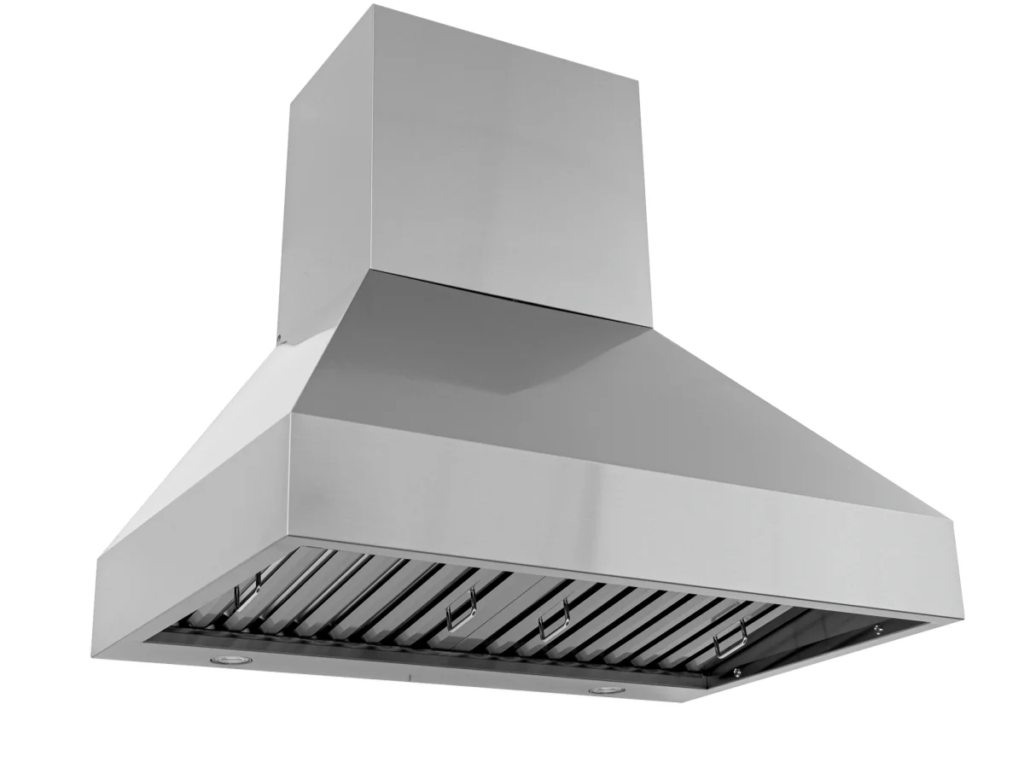
Larger ranges and pro style cooktops demand ventilation that can keep pace. A 36 kitchen exhaust hood is built for exactly that, covering wider burner spreads and handling the heat and grease that serious cooking produces. Choosing the right one comes down to matching power, fit, and durability to how you actually cook, rather than to a number on a spec sheet that sounds impressive in isolation.
Why the Choice Matters
A hood that is too small or too weak leaves smoke and grease to drift into the room. With a wider cooktop, the margin for error grows. Selecting a 36 kitchen exhaust hood with the right capture area and airflow protects your finishes, your air quality, and the enjoyment of cooking in a space built for it. A poor match undoes the value of an upgraded range.
Key Features to Compare
A few core features decide whether a hood truly performs. Compare them side by side before you commit, because each one affects how the hood lives with you day to day.
Airflow and Performance
Wider cooktops usually need higher CFM. Size the airflow to your burner output, and in tightly sealed homes plan for make up air so the system can exhaust freely rather than fighting against negative pressure.
Fit and Installation
Confirm the hood spans the cooktop and clears your ceiling height. The venting path, duct size, and mounting style all affect how cleanly a 36 kitchen exhaust hood installs and how well it draws once it is in place.
Long Term Durability
Stainless steel housing, baffle filters, and a robust motor stand up to frequent, high heat cooking. Durable parts mean fewer repairs and steadier performance over the years, which is where the real value of a quality hood shows up.
Questions to Ask Before Choosing
Run through a short list to avoid the usual sizing and venting mistakes that catch first time buyers.
- Does the airflow match my cooktop output and kitchen size?
- Can I vent outside, and how long is the duct run?
- Are the filters dishwasher safe for easy, regular cleaning?
- How loud is it in sones at normal operating speed?
Clear answers to these questions tell you whether a hood will keep up with a large cooktop or struggle behind it. Measuring and planning now prevents disappointment later, and it ensures the hood you choose is the hood you actually need.
Installation Tips Worth Following
A great hood can underperform if it is installed poorly. Mount it at the height the manufacturer recommends so it captures rising smoke without crowding the cook. Keep the duct run as short and straight as possible, since every bend steals airflow. Use rigid metal duct rather than flexible tubing where you can, and seal the joints. These small choices help a 36 kitchen exhaust hood deliver its rated performance instead of losing power to a cramped or leaky vent path.
Matching the Hood to How You Cook
Your cooking style should guide the final choice as much as the cooktop width. Cooks who sear, fry, and use high heat often need more airflow and stronger filters than those who mostly simmer and boil. If you cook for a crowd or run several burners at once, lean toward the higher end of the recommended range. Thinking honestly about your habits prevents both overspending on power you will never use and the bigger mistake of buying a hood that quietly struggles every night with the cooking you actually do.
Final Thoughts
A 36 kitchen exhaust hood is the right call for wider cooktops and ambitious cooking, as long as you match airflow, fit, and build quality to your kitchen. Confirm your venting path and filter design before buying. When cabinet mounting suits your layout, a 36 inch under cabinet vent hood delivers the same coverage in a streamlined profile.









Leave a Reply