How Hormonal Changes May Influence Breast Shape Over Time
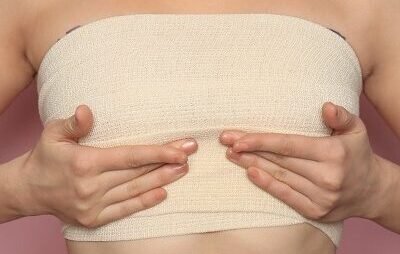
Breast shape can change naturally throughout a person’s life. While age, pregnancy, weight fluctuations, genetics, and lifestyle all contribute, hormones also play an important role in how breast tissue develops and changes over time. These changes can affect breast volume, skin elasticity, fullness, and position, sometimes making the breasts appear less firm or lower than they once did. Understanding the relationship between hormones and breast shape can help individuals make informed decisions about their appearance and overall breast health. For those considering cosmetic treatment, learning about options such as Breast Lift Surgery in Oman can also provide useful context about how changes in breast position may be addressed.
Understanding the Relationship Between Hormones and Breast Tissue
Breast tissue responds to several hormones, particularly estrogen and progesterone. These hormones influence the development and function of the breasts during different stages of life.
During puberty, rising hormone levels stimulate changes in the breast glands and surrounding tissue. This is when the breasts begin developing their adult shape and size. Hormonal activity continues to influence breast tissue during the menstrual cycle, pregnancy, breastfeeding, and menopause.
Breast composition is not identical for everyone. Some individuals have a greater proportion of glandular tissue, while others have more fatty tissue. Hormonal changes may affect these components differently, which helps explain why breast shape and fullness can vary considerably from one person to another.
Hormones do not act alone. The skin, connective tissues, breast ligaments, body weight, genetics, and natural aging process all work together to determine the appearance and position of the breasts.
How Menstrual Hormonal Changes Can Affect Breast Appearance
Monthly hormonal fluctuations can temporarily alter the way the breasts look and feel. Estrogen and progesterone levels rise and fall throughout the menstrual cycle, and some individuals notice increased breast fullness, tenderness, or swelling at certain times.
These changes are generally temporary. Once hormone levels return to their usual pattern, the breasts often return to their previous appearance.
Although these monthly changes typically do not cause permanent breast sagging, repeated fluctuations in swelling and tissue volume may contribute to changes that become more noticeable over many years. However, it would be inaccurate to attribute long-term breast shape changes to menstrual cycles alone.
Other factors, including pregnancy history, significant weight changes, aging, genetics, and skin elasticity, usually have a much greater influence on permanent changes in breast position.
Pregnancy, Breastfeeding, and Major Hormonal Shifts
Pregnancy is one of the most significant periods of hormonal change affecting the breasts. Estrogen, progesterone, and other hormones increase substantially during pregnancy, preparing the breast tissue for milk production.
As the breasts enlarge, the skin and supporting tissues stretch to accommodate the additional volume. After pregnancy, the breasts may gradually decrease in size as hormone levels normalize and milk production ends.
This transition can sometimes leave the breasts appearing less full or lower on the chest. Some people notice changes in the upper portion of the breast, while others experience increased skin laxity or changes in the position of the nipple and areola.
It is important to understand that breastfeeding itself is not necessarily the primary cause of breast sagging. Pregnancy-related breast enlargement, tissue stretching, age, genetics, and changes in body weight can all contribute.
For individuals who remain concerned about breast position after completing pregnancy and allowing the breasts to stabilize, a consultation about Breast Lift Surgery in Oman may help determine whether a surgical lift is appropriate.
Menopause and Changes in Breast Shape
Menopause brings another major hormonal transition. As ovarian production of estrogen and progesterone declines, breast tissue may gradually change.
Glandular tissue can decrease, while the relative proportion of fatty tissue may increase. This can result in breasts that feel softer or appear less dense and full. Skin also naturally becomes less elastic with age, which may contribute to a lower breast position.
Some individuals notice a reduction in upper-breast fullness during this stage of life. Others may experience changes in breast size or overall contour.
These changes are a normal part of aging, but they can sometimes affect confidence or how clothing fits. A cosmetic consultation can help distinguish normal age-related changes from concerns that may require medical assessment.
Why Breast Shape Changes Even When Hormones Are Stable
Hormones are only one part of the picture. Breast shape can change even when there are no major hormonal fluctuations.
One of the most important factors is skin elasticity. Over time, collagen and elastin production naturally decreases. As the skin becomes less resilient, it may not support breast tissue as firmly as it did earlier in life.
Weight fluctuations can also affect breast appearance. Breast tissue contains fat, so gaining or losing a substantial amount of weight may increase or decrease breast volume. Repeated or significant weight changes can also stretch the skin.
Genetics play another important role. Some individuals naturally have stronger connective tissue and more elastic skin, while others may develop changes in breast position earlier.
Age, gravity, pregnancy, breast size, lifestyle factors, and the natural structure of the breast can therefore all influence the final appearance. This is why two people of the same age and with similar hormonal histories may have very different breast shapes.
When a Breast Lift May Be Considered
A breast lift, medically known as mastopexy, is a surgical procedure designed primarily to improve breast position and contour. It generally involves removing excess skin and reshaping or repositioning existing breast tissue to create a more elevated appearance.
A breast lift is different from breast augmentation. Augmentation is primarily intended to increase breast volume, while a lift focuses on improving breast position and reducing the appearance of sagging. Depending on individual goals, some patients may discuss combining procedures with a qualified surgeon.
People considering Breast Lift Surgery in Oman should first undergo an individualized medical consultation. The surgeon can assess breast size, skin quality, tissue distribution, nipple position, previous pregnancies, overall health, and personal expectations.
The timing of surgery can also matter. If someone is planning another pregnancy or expects significant weight changes, discussing those plans with a surgeon is important because future changes may affect the surgical result.
What to Consider Before Choosing Breast Lift Surgery
Anyone considering breast lift surgery should approach the decision as a medical and cosmetic choice rather than simply a way to reverse hormonal changes.
A qualified plastic surgeon can explain the available techniques and discuss what can realistically be achieved. The exact surgical approach depends on factors such as the degree of breast sagging, skin quality, breast size, and nipple position.
Patients should also understand that surgery involves recovery and potential risks. These can include scarring, changes in sensation, asymmetry, infection, bleeding, wound-healing problems, and changes in breast or nipple appearance. Individual risks vary, so personalized medical advice is essential.
It is also helpful to have realistic expectations. A breast lift can improve breast position and contour, but it cannot stop future aging or hormonal changes. Maintaining a relatively stable weight and following postoperative instructions may help support long-term results.
Most importantly, anyone experiencing a new breast change, lump, nipple discharge, skin alteration, or persistent pain should seek appropriate medical evaluation rather than assuming the change is hormonal or cosmetic.
Frequently Asked Questions
1. Can hormonal changes permanently change breast shape?
Yes, hormonal changes can contribute to long-term breast changes, particularly during puberty, pregnancy, and menopause. However, hormones are only one factor. Aging, genetics, pregnancy-related stretching, weight changes, and skin elasticity can also have significant effects.
2. Does breastfeeding cause breast sagging?
Breastfeeding itself is not considered the only or primary explanation for breast sagging. Pregnancy causes substantial hormonal and physical changes in breast tissue, and the stretching and subsequent reduction in breast volume may contribute to changes in shape. Age, genetics, breast size, and weight changes can also play roles.
3. Can exercise restore sagging breasts?
Exercise can strengthen the chest muscles underneath the breasts and may improve overall chest definition, but it cannot directly tighten stretched breast skin or reposition breast tissue. A healthy lifestyle can support general well-being, while surgical procedures may be considered when significant breast sagging is a concern.
4. Is Breast Lift Surgery in Oman suitable after pregnancy?
It may be an option for individuals who have completed pregnancy and whose breast shape has stabilized. A qualified surgeon should assess overall health, breast changes, future pregnancy plans, skin quality, and individual goals before recommending surgery.
5. Does a breast lift increase breast size?
A breast lift primarily changes the position and shape of the breasts rather than significantly increasing their volume. Some people may discuss combining a lift with another procedure if they want additional fullness, but suitability depends on individual anatomy and medical assessment.
6. Can breast shape change again after a breast lift?
Yes. A breast lift cannot prevent future aging, hormonal changes, pregnancy, or significant weight fluctuations. These factors may gradually affect breast shape again. Maintaining a stable weight and following appropriate postoperative care can help support the longevity of the result.
About The Author