

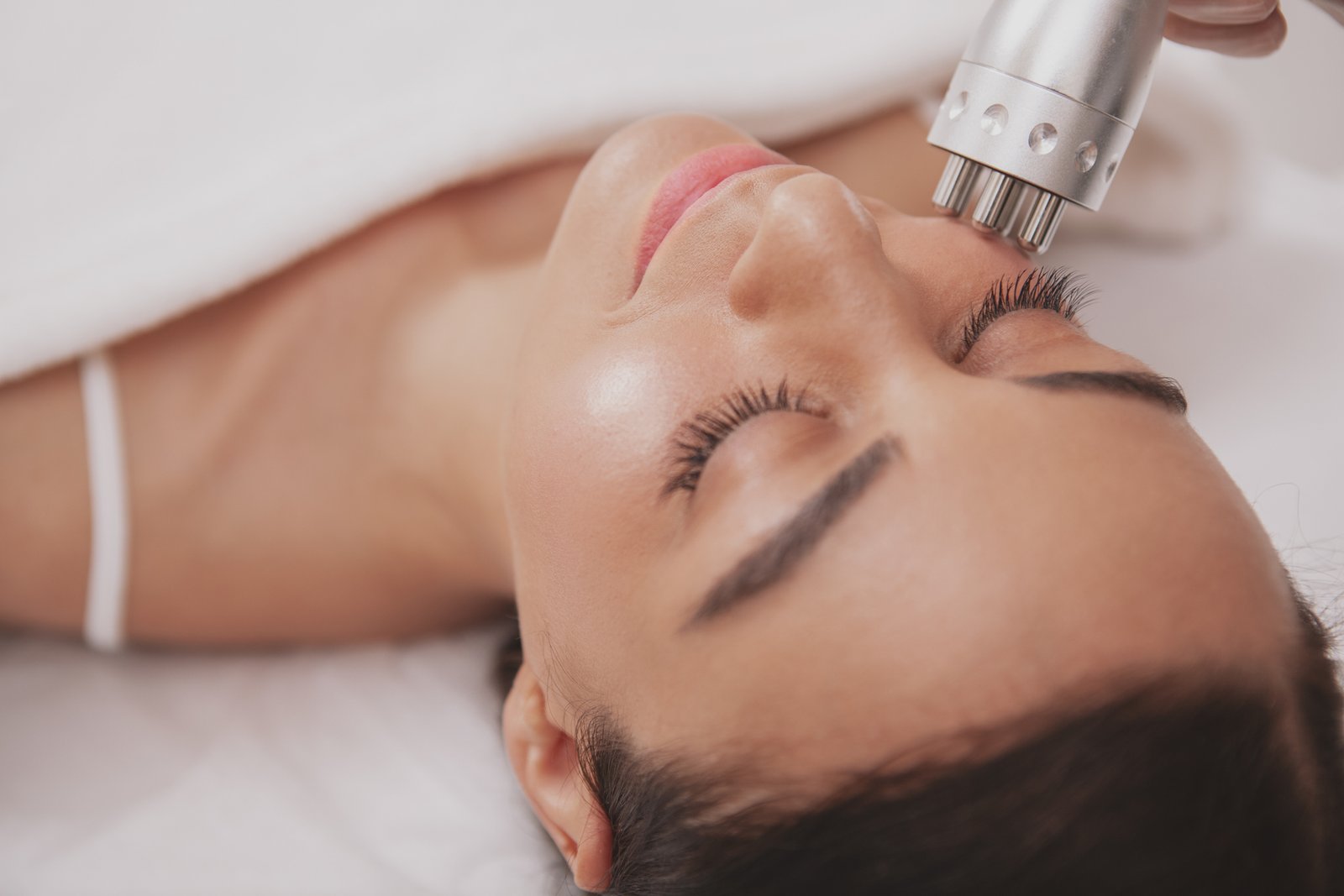
Maintaining a youthful and vibrant complexion is a shared goal for many, leading to a significant rise in the popularity of advanced aesthetic procedures. When considering how to enhance your natural glow, Skin Rejuvenation Treatments in Abu Dhabi offer a scientifically backed approach to reversing the visible signs of aging and environmental damage. These treatments focus on restoring the skin’s structural integrity from the inside out, utilizing technology that encourages the body’s own healing mechanisms.
Core Principles of Skin Revitalization
- Cellular Regeneration: Modern treatments focus on accelerating the turnover of skin cells to replace damaged layers with healthy tissue.
- Structural Support: Most procedures aim to boost the production of collagen and elastin, the proteins responsible for skin firmness and elasticity.
- Targeted Correction: Advanced technologies allow for the precise treatment of specific concerns like pigmentation, fine lines, and texture without affecting surrounding areas.
- Long-term Health: Beyond aesthetics, these treatments strengthen the skin barrier and improve overall skin health.
How Effective Are Skin Rejuvenation Treatments?
The effectiveness of skin rejuvenation is rooted in the biological response of the human body to controlled stimuli. Whether through light energy, mechanical exfoliation, or nutrient infusion, these treatments are designed to “wake up” the skin’s regenerative functions. Clinical observations suggest that consistent and appropriately selected treatments can lead to a 30% to 50% improvement in skin texture and firmness over time.
Mechanisms of Action
- Stimulating Collagen Pathways: By creating microscopic “injuries” or applying heat, treatments trigger a wound-healing response that produces fresh collagen.
- Pigment Regulation: Light-based therapies break down excess melanin, which the body then naturally processes and removes, evening out the skin tone.
- Exfoliation and Renewal: Removing the outermost layer of dead skin cells (the stratum corneum) immediately improves radiance and allows for better penetration of topical nutrients.
- Hydration Infusion: Modern facials use vortex technology to deep-clean pores while simultaneously saturating the skin with hyaluronic acid and antioxidants.
Popular Modalities for Skin Renewal
Selecting the right treatment depends largely on your unique skin type and the specific concerns you wish to address. In sophisticated aesthetic markets, a variety of non-invasive and minimally invasive options are available to suit different lifestyles and goals.
Laser and Light Therapies
- Ablative Lasers: These are more intensive and work by removing the thin outer layer of skin while heating the underlying dermis to induce significant tightening.
- Non-Ablative Lasers: These penetrate the skin without damaging the surface, focusing entirely on collagen stimulation with minimal recovery time.
- Intense Pulsed Light (IPL): Often used for “photofacials,” IPL uses broad-spectrum light to target redness and sunspots, making it ideal for tone correction.
- Fractional Technology: This approach treats only a fraction of the skin at a time, leaving surrounding tissue intact to speed up the healing process.
Mechanical and Injectable Solutions
- Microneedling: This involves using tiny, sterile needles to create micro-channels in the skin, which is highly effective for smoothing out acne scars and fine lines.
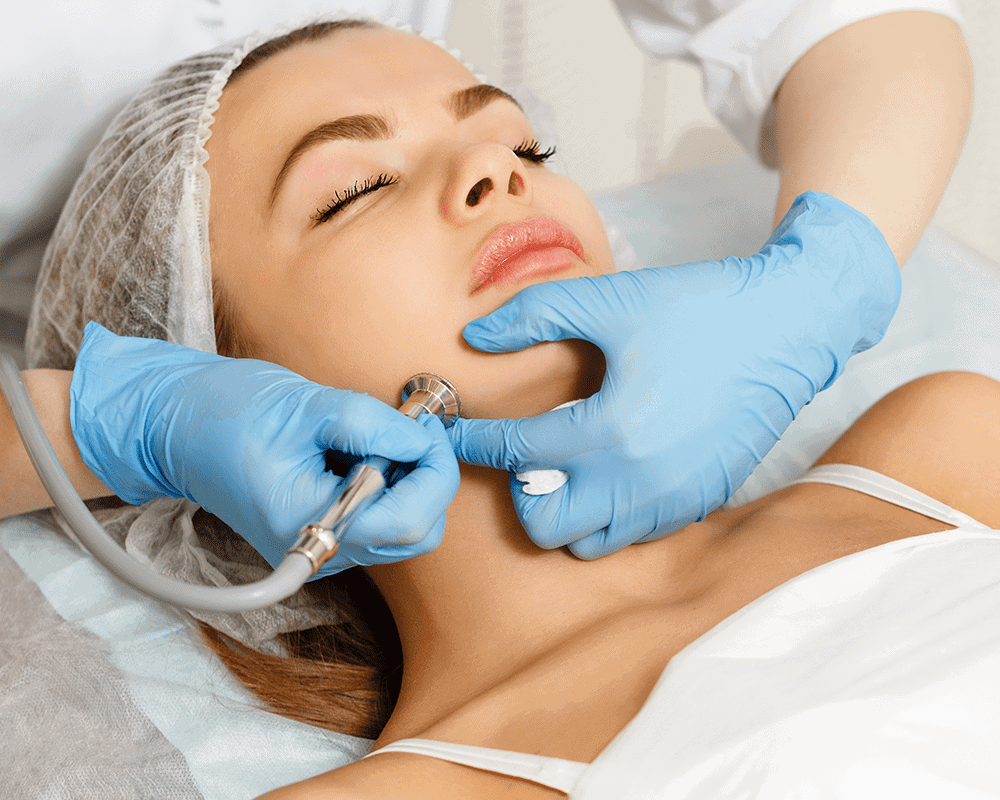
- Microdermabrasion: A “polishing” treatment that uses fine crystals or a diamond tip to buff away surface dullness and refine the skin’s texture.
- Chemical Peels: Utilizing specialized acidic solutions, these peels dissolve the bonds between dead skin cells, revealing a fresher, brighter layer beneath.
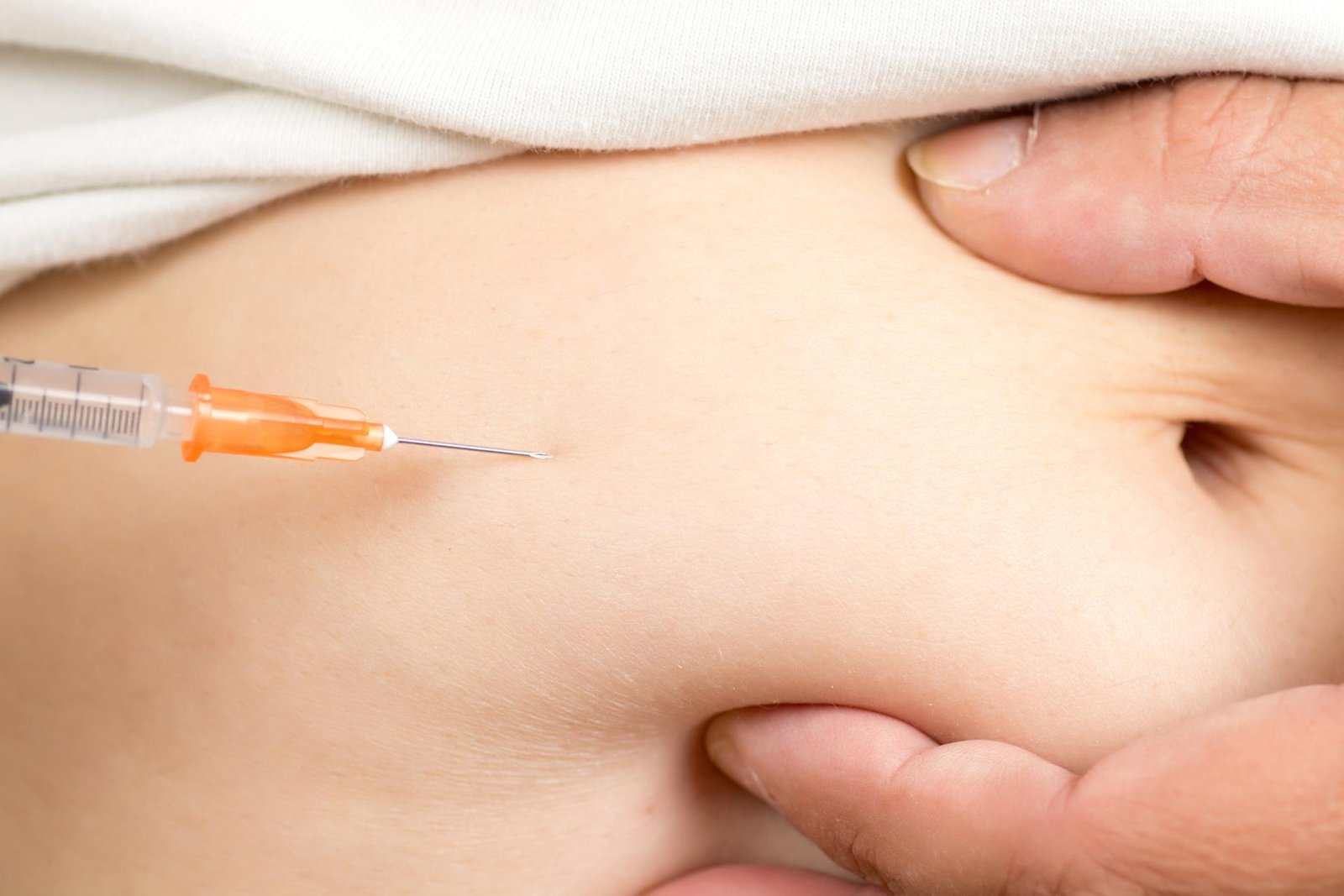
- Mesotherapy: This technique involves micro-injections of a potent “cocktail” of vitamins, minerals, and amino acids directly into the mesoderm (middle layer of skin).
The Science of Results: What to Expect
The journey toward rejuvenated skin is rarely an “overnight” transformation. Because these treatments rely on biological processes like collagen synthesis, the most significant improvements usually appear gradually over several weeks or months.
Timeline of Improvement
- Immediate Radiance: Treatments like HydraFacials or light chemical peels often provide an instant “glow” due to deep hydration and surface exfoliation.
- Texture Refinement: Within two to four weeks, most individuals notice a smoother surface and a reduction in the appearance of enlarged pores.
- Structural Firming: Since new collagen takes time to mature, the most noticeable lifting and tightening effects typically peak around three to six months post-treatment.
- Cumulative Benefits: Many aesthetic experts recommend a series of sessions rather than a single visit to achieve and maintain optimal results.
Factors Influencing Efficacy
- Age and Skin Condition: Younger skin typically responds faster to stimulation, while more mature skin may require more intensive or frequent sessions.
- Sun Protection: The effectiveness of any rejuvenation plan is heavily dependent on daily UV protection to prevent new damage from occurring.
- Lifestyle Habits: Proper hydration, a balanced diet, and avoiding smoking significantly support the skin’s ability to repair itself.
- Consistency: Adhering to a maintenance schedule ensures that the regenerative processes remain active over the long term.
Tailoring Treatments to Skin Type
In 2026, the trend in dermatology has shifted toward extreme personalization. No longer are treatments “one size fits all”; instead, they are calibrated to the specific needs of the individual’s skin profile.
Addressing Specific Concerns
- Oily and Acne-Prone Skin: Focuses on deep pore cleansing, reducing sebum production, and clearing post-inflammatory hyperpigmentation.
- Dry and Dehydrated Skin: Prioritizes moisture-rich treatments and non-invasive methods that do not strip away natural oils.
- Sensitive Skin: Utilizes gentle, non-thermal methods like low-level light therapy or very mild “lunchtime” peels to avoid irritation.
- Hyperpigmentation: Employs targeted light energy or specific chemical agents designed to inhibit melanin production and lift existing spots.
The Role of Professional Consultation
- Comprehensive Assessment: A specialist evaluates skin elasticity, moisture levels, and the depth of any underlying damage.
- Goal Alignment: Ensuring the selected procedure matches the user’s expectations for downtime and visible results.
- Personalized Protocols: Combining different modalities—such as a laser session followed by mesotherapy—to address multiple concerns simultaneously.
- Safety Standards: Professionals ensure that the intensity of the treatment is safe for the specific skin tone, particularly for darker complexions which require specialized settings.
FAQs
1. How many sessions are typically required for visible results?
While a single session can improve skin radiance, most people require a series of three to six treatments to see significant changes in wrinkles or scarring. The exact number depends on the technology used and the severity of the skin concerns.
2. Is there a specific age to start rejuvenation treatments?
There is no “perfect” age, but many people begin preventive treatments in their late 20s or early 30s to maintain collagen levels. However, corrective treatments are effective for individuals in their 40s, 50s, and beyond.
3. Can I combine different rejuvenation treatments?
Yes, combination therapy is often the most effective approach. For example, a specialist might recommend microneedling to improve texture alongside a light-based therapy to target redness or brown spots.
4. How long do the effects of these treatments last?
The longevity of results varies. While some effects like scar reduction can be permanent, the anti-aging benefits typically last between six months to two years. Regular maintenance and a solid skincare routine help extend these results.










Leave a Reply