

Building a new home requires careful preparation of materials that balance cost, quality, and local building requirements. The available options for construction supplies in the Philippines influence the durability, appearance, and long-term upkeep of the house. This article describes the common materials and products builders use in typical home construction projects.
Structural Framework Components
Concrete and Cement Products
Concrete forms the main structure for almost all homes in the country. It provides the necessary strength for the foundation, vertical columns, and horizontal floor slabs. The quality of the cement, sand, and stone used in the concrete mix establishes its final strength. Builders must properly test the mixture to confirm it meets the required structural standards. Concrete remains unmatched in its ability to support heavy loads over many decades.
Steel Reinforcing Bars
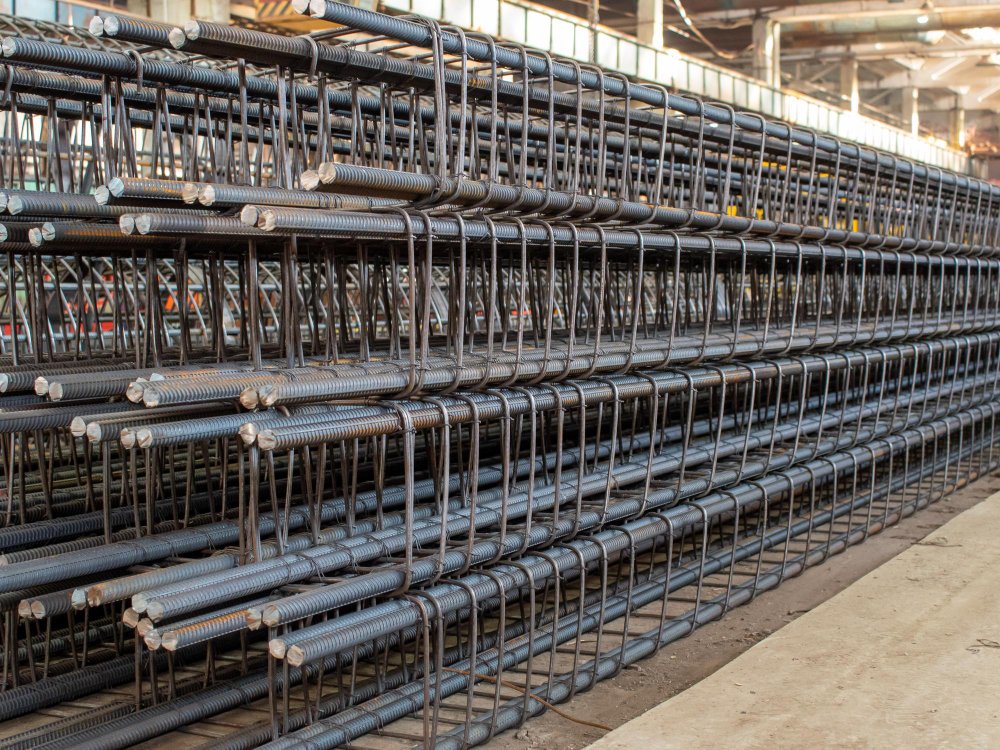
Steel bars, commonly known as rebar, sit inside the concrete structure to give it the ability to withstand pulling forces. This combination creates a resilient framework that handles both pushing and pulling stresses during its lifetime. Rebar comes in different sizes and strength grades, such as Grade 40 and Grade 60. Builders use the correct size and spacing of rebar as specified in the house’s engineering plans. Correct placement of the steel bars maintains the integrity of the concrete frame.
Lumber and Formwork
Lumber remains common for creating temporary wood molds, called formwork, before concrete is poured and cured. Formwork shapes the concrete for columns, beams, and slabs during the initial phase of construction. Hardwood is a common material for permanent roof frames due to its natural strength and resistance to insects. For interior applications, engineered wood products like plywood are often used for ceiling boards and partition walls. The type of wood affects the total weight and fire resistance of the structure.
Roofing and Water Management Systems
Roofing Sheets and Tiles
The roof protects the entire house from tropical storms and intense heat. Roofing materials include long-span metal sheets, asphalt shingles, and cement tiles. Metal sheets are a popular choice because they are light, affordable, and quick to install on site. Cement or clay tiles offer excellent longevity and a classic appearance for many residential designs. These heavier tiles require a stronger roof frame to safely support their weight.
Waterproofing Materials
Waterproofing prevents moisture from damaging the structure and the interior finishes of the house. Liquid waterproofing compounds are applied to the concrete roof deck and wet areas like bathrooms. These products create a seamless barrier that stops water from leaking into the lower floors below the roof. A quality waterproofing membrane used during construction prevents long-term problems from moisture intrusion. This application preserves the structural health of the concrete slabs.
Gutters and Downspouts
A proper gutter system manages rainwater that flows off the roof. It directs this water away from the foundation of the house. Materials like Polyvinyl Chloride (PVC) and galvanized iron (GI) make up the majority of gutters and downspouts used today. PVC resists rust well, while GI is often used for its rigidity and strong physical properties. The entire system must be correctly sized to handle the high rainfall rates typical in the country’s climate.
Interior and Exterior Surfaces
Masonry and Wall Finishes
Concrete hollow blocks (CHB) are the most used material for exterior and interior walls in residential buildings. CHB are available in four-inch and six-inch thicknesses for different applications within the house. The six-inch blocks are generally preferred for exterior walls because they offer better strength and insulation. Mortar, which is a mix of cement, sand, and water, binds the blocks together. Wall surfaces receive a layer of smooth plaster to prepare them for the final coat of paint.
Floor and Tile Coverings
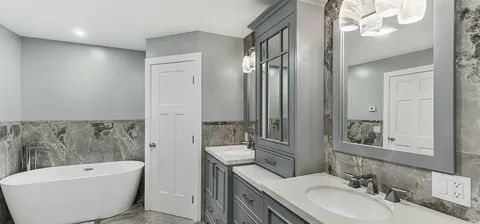
Finishing materials define the look and feel of a house’s interior spaces. Ceramic and porcelain tiles are widely used for floors, bathrooms, and kitchen areas. These materials are popular because they withstand daily wear and are simple to clean. Different sizes, colors, and surface textures of tiles provide many design options for the owner. For living areas, polished concrete or durable hardwood flooring materials are sometimes chosen for their aesthetic quality.
Systems and Hardware
Plumbing and Distribution Pipes
The house’s water system requires high-quality piping for both water supply and waste drainage. PVC pipes are the standard for drainage and venting due to their chemical resistance and flexibility. Polypropylene Random Copolymer (PPR) pipes are commonly used for distributing both hot and cold water. These pipes are valued for their resistance to heat and rust over a long lifespan. Using durable, standard-sized fixtures like faucets simplifies any future maintenance that might be needed by homeowners.
Electrical Wiring and Safety
All electrical components must follow the national safety standards to protect the residents and the building. Wires and cables must have the correct thickness for the intended electrical load to prevent them from heating up. Quality circuit breakers protect the home from electrical shorts and sudden power spikes coming from the utility line. Developers often standardize the selection of electrical outlets, switches, and lighting fixtures throughout the project. This standardization helps make the installation process for electricians faster and more efficient.
Finishing Hardware and Doors
The final appearance of a home relies on the quality and operation of its doors, windows, and hardware. Doors are commonly made of wood, aluminum, or steel for security and appearance. Wood panel doors offer a traditional look, while aluminum sliding doors are often installed for access to balconies. Window frames are typically made of aluminum or PVC, holding clear glass panes of standard thickness. Finishing hardware, such as door handles and hinges, must be chosen for their ability to resist rust and frequent use over many years.
Key Takeaway
A well-built residential project comes from proper choices about the materials used in construction. The selection of structural parts, roofing, water systems, and interior finishes requires careful consideration of local conditions and project limits. Finding the right construction supplies in the Philippines is a necessary effort toward building a quality, comfortable, and long-lasting home.





















Leave a Reply