Chemical-Free Wine Brands That Don’t Compromise on Taste
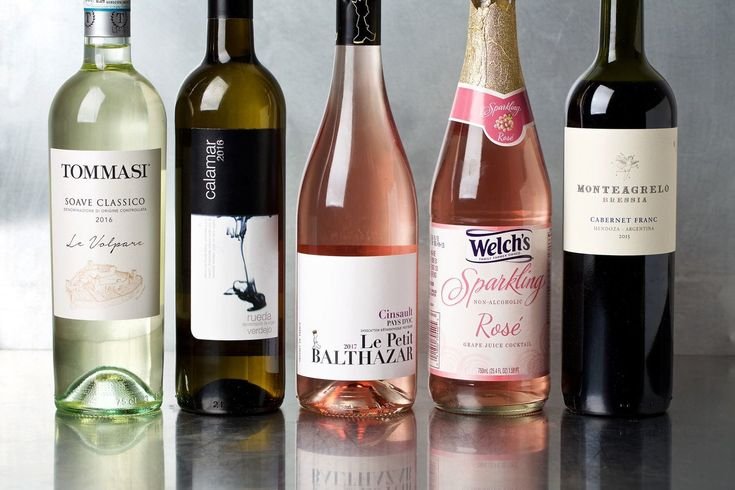
Wine lovers have become more conscious about what goes into their glass. From organic produce to clean-label foods, the same mindset has extended to wine. This growing awareness has led to a surge in demand for chemical-free wine brands that offer purity without sacrificing flavor. But can wine really be made without additives and still taste exceptional? The answer is yes, and the results are impressive.
What Does “Chemical-Free” Wine Really Mean?
Before diving into brands, it’s important to clarify what Chemical-free wine brands means in the context of wine. Technically, all wine contains natural chemical compounds due to fermentation. However, when people refer to chemical-free wine, they usually mean wines made without synthetic pesticides, herbicides, artificial additives, or excessive sulfites.
These wines are often categorized as:
- Organic wines
- Biodynamic wines
- Natural wines
Each category follows strict guidelines to minimize intervention and preserve the natural characteristics of the grapes.
Why Consumers Are Choosing Cleaner Wines
There are several reasons why people are turning to cleaner wine options:
1. Health Awareness
Many consumers want to avoid unnecessary additives, especially sulfites, which can cause sensitivities in some individuals.
2. Environmental Concerns
Eco-friendly farming practices used by many chemical-free producers help protect soil health, biodiversity, and water quality.
3. Authentic Taste
Minimal intervention allows the true expression of the grape and terroir, often resulting in more complex and unique flavors.
Do Chemical-Free Wines Taste Different?
A common misconception is that wines made without additives lack depth or consistency. In reality, many chemical-free wine brands are celebrated for their vibrant, authentic profiles. Without heavy processing, these wines often showcase:
- Brighter acidity
- More pronounced fruit notes
- Earthy, natural undertones
That said, the taste can vary more from bottle to bottle, as these wines are less standardized than conventional ones.
Top Chemical-Free Wine Brands to Explore
Here are some standout producers that prove you don’t need additives to create exceptional wine:
1. Domaine Marcel Lapierre
A pioneer in natural winemaking, this French producer is known for its Beaujolais wines made with minimal sulfur and no synthetic chemicals. Their wines are lively, fruity, and incredibly drinkable.
2. Frey Vineyards
Based in California, Frey Vineyards offers organic and biodynamic wines with no added sulfites. Their range includes everything from reds to whites, all crafted with sustainability in mind.
3. Coturri Winery
This small, family-run winery produces bold, handcrafted wines using organic grapes and traditional methods. Their wines are rich, expressive, and completely free from unnecessary additives.
4. La Stoppa
An Italian winery that embraces natural fermentation and organic farming. Their wines often have a rustic charm, reflecting the land they come from.
5. Stellar Organics
Originating from South Africa, Stellar Organics produces vegan-friendly, fair-trade wines with a strong focus on sustainability. Their wines are clean, approachable, and widely available.
What to Look for When Buying
If you’re new to this category, choosing the right bottle can feel overwhelming. Here are a few tips:
Check Certifications
Look for labels such as:
- Organic certified
- Biodynamic certified
- No added sulfites
- Read the Label Carefully
Some wines labeled “natural” may still contain small amounts of additives. Transparency varies by producer.
Start with Trusted Regions
Regions known for natural winemaking—like parts of France, Italy, and California—are a good starting point.
Challenges of Chemical-Free Winemaking
While the benefits are clear, producing wine without synthetic chemicals isn’t easy.
Higher Risk
Without preservatives, wines are more vulnerable to spoilage.
Labor-Intensive
Organic and biodynamic farming require more manual work and attention to detail.
Limited Shelf Stability
These wines are often best consumed fresh and may not age as long as conventional wines.
Despite these challenges, dedicated winemakers continue to refine their craft, proving that quality and purity can coexist.
The Future of Clean Wine
The demand for cleaner, more transparent products shows no sign of slowing down. As consumers become more educated, chemical-free wine brands are gaining mainstream recognition. Even larger wineries are starting to adopt organic practices and reduce their reliance on additives.
Innovation is also playing a role. Advances in natural fermentation and sustainable farming techniques are helping winemakers maintain consistency while staying true to their principles.
Final Thoughts
Choosing wine is no longer just about flavor, it’s about values, health, and sustainability. The rise of chemical-free wine brands reflects a broader shift toward mindful consumption. Fortunately, you don’t have to compromise on taste to make a better choice.
Whether you’re a casual drinker or a wine enthusiast, exploring these wines can open up a whole new world of flavors. With the right bottle, you’ll discover that purity and quality go hand in hand, no chemicals required.
About The Author