

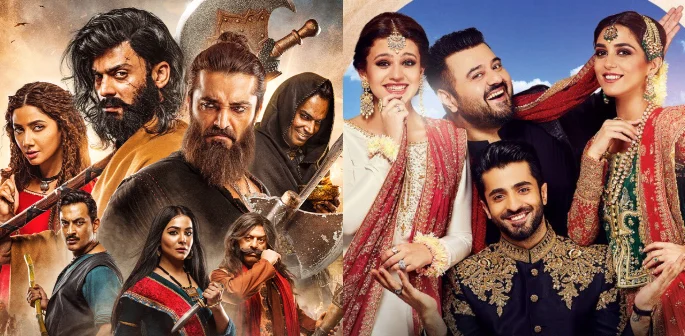
Pakistani cinema has undergone a quiet yet powerful revolution. Once struggling with limited resources and declining audiences, the industry has reinvented itself through meaningful narratives, strong performances, and technical growth. Modern Pakistani films are no longer confined to formulaic plots; instead, they reflect social realities, personal struggles, and cultural complexities. From thought-provoking dramas to gripping thrillers, these films represent the best of what Pakistan’s film industry has to offer.
Khuda Kay Liye – A Turning Point
Released in 2007, Khuda Kay Liye marked a critical moment in the rebirth of Pakistani cinema. Directed by Shoaib Mansoor, the film courageously addressed religious intolerance, cultural conflict, and identity crises faced by Muslims post-9/11. Its layered storytelling and emotionally charged performances sparked intense discussions nationwide. More than just a movie, it became a cultural conversation starter.
Bol – Breaking Social Silence
Bol continued Shoaib Mansoor’s tradition of socially conscious cinema. Centered on a patriarchal household, the film highlighted issues such as gender discrimination, forced silence, and misuse of religious authority. The raw emotional intensity and memorable dialogues made Bol a box office success while delivering a powerful message. It demonstrated that cinema could challenge societal norms without losing mainstream appeal.
Waar – Redefining Action Cinema
With Waar, Pakistani cinema entered a new technical era. Directed by Bilal Lashari, the film set new benchmarks in action choreography, cinematography, and sound design. Its national security theme resonated strongly with audiences during a turbulent period in Pakistan’s history. Waar proved that local films could compete with international action movies in scale and execution.
Zinda Bhaag – Stories of Restless Youth
Zinda Bhaag presented a realistic portrayal of young men trapped between ambition and disappointment. The film explored the desire to migrate abroad and the emotional toll it takes on individuals and families. With its authentic characters and subtle humor, the movie felt deeply personal and relatable. It earned international acclaim and reaffirmed the importance of rooted storytelling.
Dukhtar – A Mother’s Courage
Directed by Afia Nathaniel, Dukhtar told a heart-wrenching story of a mother protecting her daughter from child marriage. The film’s strength lay in its simplicity, silence, and breathtaking landscapes of northern Pakistan. Rather than dramatizing trauma, it focused on resilience and hope. Dukhtar stood out as a film that combined social awareness with artistic beauty.
Ho Mann Jahaan – Dreams and Determination
Unlike darker social dramas, Ho Mann Jahaan celebrated youth, music, and ambition. The film followed three friends chasing their dreams while navigating personal conflicts. Its energetic soundtrack and optimistic tone appealed strongly to younger audiences. It showcased a vibrant side of Pakistani cinema that focused on creativity and self-expression.
Cake – A Study of Family and Loss
Cake offered an intimate look at family relationships shaped by unspoken resentments and emotional distance. Directed by Asim Abbasi, the film avoided melodrama and instead relied on nuanced performances and realistic dialogue. It portrayed the complexities of sibling bonds with remarkable honesty. Many critics consider Cake a benchmark for mature storytelling in Pakistan.
Laal Kabootar – A Dark Urban Tale
Breaking away from traditional narratives, Laal Kabootar explored Karachi’s criminal underworld through a noir lens. The film’s slow burn, atmospheric tension, and morally ambiguous characters set it apart. Ahmed Ali Akbar’s performance showed a new side of Pakistani acting talent. It marked a bold move toward genre experimentation.
Joyland – A Global Voice
Joyland brought Pakistani cinema international recognition with its sensitive portrayal of gender identity and societal expectations. Directed by Saim Sadiq, the film focused on personal desires suppressed by rigid norms. Its storytelling was subtle yet impactful, earning praise at major international film festivals. Joyland proved that Pakistani films could tell universal stories with authenticity and courage.
Final Thoughts
The evolution of Pakistani cinema reflects a growing confidence among filmmakers to tell honest and challenging stories. These films highlight social realities, celebrate cultural diversity, and push creative boundaries. As new voices emerge and audiences continue to support meaningful content, Pakistani cinema stands at the edge of a promising future—one shaped by authenticity, innovation, and powerful storytelling.
























Leave a Reply