

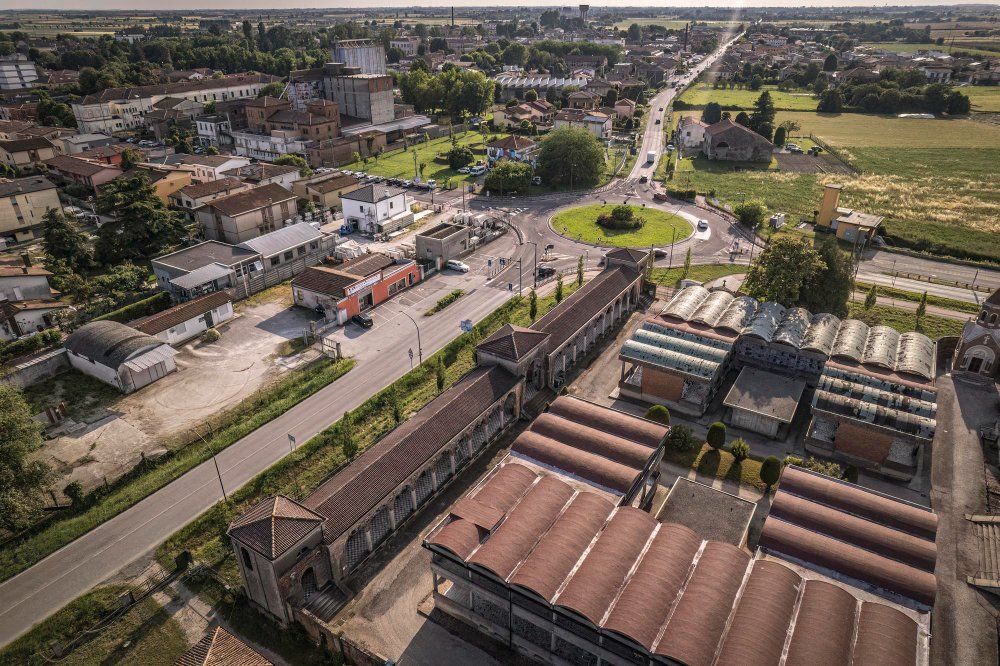
Industrial properties face rising risks from storms, floods, and changing weather patterns. Developers now build with stronger layouts, safer foundations, and reliable drainage to protect workers, equipment, and goods. These upgrades support daily operations while reducing damage during extreme weather.
Why Climate Resilience Is Important for Industrial Sites
Climate resilience reduces interruptions when weather disrupts work. Durable buildings protect machinery and stored materials. This reliability supports steady production and safer working conditions. Tenants and owners value facilities that withstand storms without costly damage or downtime.
Hazard Mapping and Site Selection
Developers use hazard maps to identify flood-prone zones, unstable soil, or areas near fault lines. Safer land lowers exposure to natural risks. Proper site selection helps keep industrial sites stable and functional under harsh environmental conditions.
Flood-Resistant Construction Features
Flood-resistant designs often include raised floors, water-resistant walls, and drainage systems to redirect water away from storage and work areas. These features help keep machines and goods dry. They make recovery easier and reduce losses after heavy rainfall.
Stronger Roofing and Wind Protection
Industrial properties now rely on reinforced roofs, secure fasteners, and sturdy support beams to resist strong winds. These improvements reduce roof damage and leaks. They help protect stored items and maintain safe conditions during storms.
Fire Safety in Weather-Exposed Areas
Buildings exposed to dry heat or wildfires use fire-resistant materials, better ventilation, and suppression systems. Proper spacing around structures reduces fire spread. These measures improve safety for the facility and its contents during fire-prone conditions.
Backup Energy and Power Stability
Storms can cause power outages that halt operations. Properties with backup generators, energy storage, or solar systems stay functional during outages. This helps maintain lighting, ventilation, and machinery, reducing risk and loss when electricity fails.
Drainage and Water Management Systems
Well-designed drainage, permeable pavements, and retention ponds help industrial zones manage heavy rainfall. These systems channel water away from buildings and reduce pooling. Effective water management prevents flooding and protects foundations and equipment.
Worker Safety Measures
Climate-resilient properties include clear evacuation routes, safe assembly areas, and trained staff ready for emergencies. These safety measures support orderly evacuations during storms or disasters. Clear communication and planning improve worker protection and readiness.
Technology That Supports Climate Resilience
Modern facilities use sensors to detect leaks, rising water levels, or structural stress. Automated alerts and monitoring systems help staff respond quickly to threats. This technology supports safer conditions and early intervention when risky events occur.
How Developers Plan for Long-Term Resilience
Long-term resilience relies on regular maintenance, inspections, and timely upgrades. These efforts keep structures strong and minimize wear over time. Planning for future changes helps industrial properties remain durable and reliable for years ahead.
Materials That Withstand Extreme Weather
Industrial sites now use stronger materials like reinforced concrete, treated steel, and impact-resistant panels. These materials help buildings handle heat, moisture, and strong winds. Using durable materials lowers repair costs and keeps structures dependable during changing weather conditions.
Climate-Adaptive Landscaping Around Facilities
Landscaping helps control water flow and protect building edges during heavy rain. Trees, shrubs, and grass areas reduce soil erosion and improve drainage. These outdoor features support safer surroundings and help manage excess water in industrial zones.
Stormwater Storage and Recycling Systems
Some facilities now store excess rainwater for later use. Tanks and collection systems reduce flooding risks during storms while providing a water supply for cleaning, cooling, or irrigation. This helps industrial properties manage rainfall more efficiently.
Seismic-Ready Building Enhancements
Industrial sites in earthquake-prone areas add flexible joints, base isolators, and stronger frames to handle ground movement. These enhancements keep structures stable and protect machines during seismic activity. They also support faster recovery after an earthquake.
Training Programs for Emergency Readiness
Facilities with trained teams respond faster during disasters. Regular drills teach workers how to act during floods, fires, or earthquakes. These programs improve coordination and help reduce confusion during emergencies, creating a safer environment for everyone on site.
Ventilation Systems for Hot Climate Conditions
Industrial facilities install stronger ventilation systems to manage rising temperatures. These systems help maintain safe indoor conditions for workers and protect machines that are sensitive to heat. Better airflow also reduces moisture buildup, which supports long-term stability in work areas.
Protective Perimeter Barriers
Some properties add perimeter barriers like reinforced fences, concrete walls, or raised edges to block debris and slow down floodwater during storms. These barriers protect entry points, equipment yards, and outdoor storage spaces from sudden weather impacts.
Climate-Responsive Lighting and Electrical Layouts
Modern designs include elevated wiring, sealed electrical panels, and moisture-resistant lighting. These upgrades prevent electrical failures when storms bring heavy rain or flooding. Keeping electrical systems protected helps maintain safe operations across the site.
Structural Monitoring Through Smart Sensors
Sensors placed on beams, walls, and floors help track structural movement or material stress during extreme weather. These tools alert teams early when a section needs attention. This helps prevent larger issues and supports safer building performance.
Resilient Road Access and Transport Routes
Industrial properties need reliable access roads that stay passable during storms. Developers now use elevated paths, improved drainage, and durable pavement to keep routes open. Stable roads support transport trucks, supply deliveries, and emergency response teams during severe weather events.
Key Takeaway
Industrial properties built for climate resilience offer stronger structures, better risk management, and safer operations during extreme weather. These features help protect equipment, goods, and people. Climate-ready design supports stable operations and long-term reliability for modern industrial facilities.










Leave a Reply