How Do I Maintain My Patio After Installation in Durham?
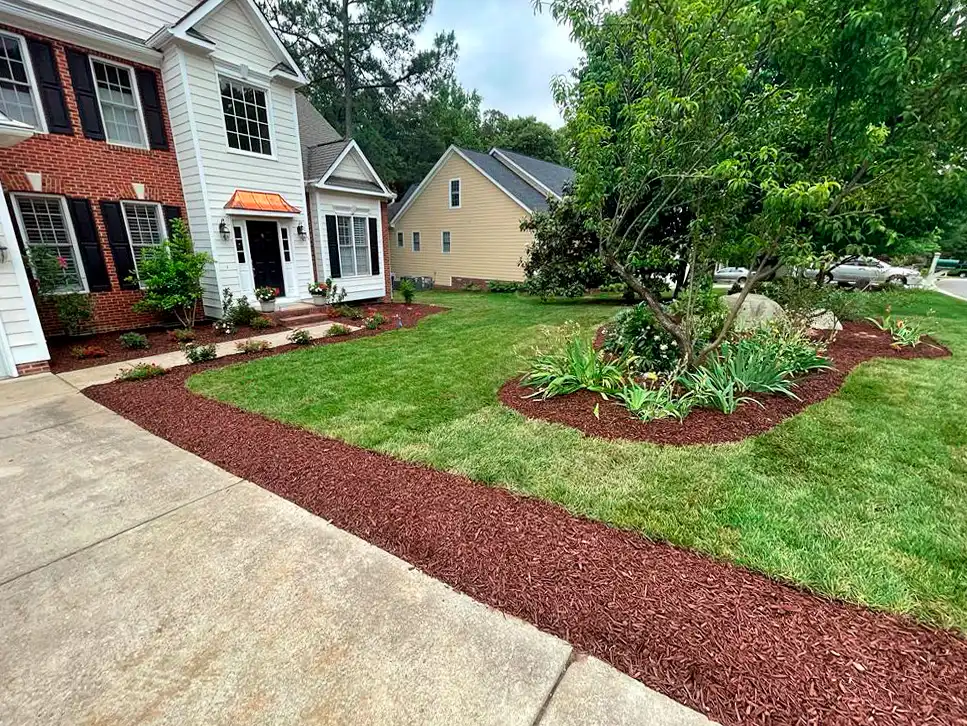
A newly installed patio can completely change the feel of your garden, giving you a practical and attractive space for dining, relaxing or hosting friends
A newly installed patio can completely change the feel of your garden, giving you a practical and attractive space for dining, relaxing or hosting friends. But even the highest-quality paving won’t stay looking fresh forever without the right care. Durham’s weather, with regular rainfall, cold winters and the occasional warm spell, puts outdoor surfaces under constant pressure. The good news is that Patio Maintenance in Durham doesn’t need to be complicated. With a simple routine and a few practical habits, you can keep your patio looking strong and presentable for years.
Why Patio Maintenance Matters
Your patio endures more than foot traffic. It faces shifts in temperature, moisture exposure, algae growth and occasional heavy use. When left unattended, small issues become larger ones, such as loose slabs, stained surfaces or even cracks.
Good maintenance helps:
• Prevent long-term damage from frost, water and wear
• Keep the patio safe for family and guests
• Preserve the appearance and value of your garden
Durham’s climate makes these steps even more important, as wet and cold conditions accelerate deterioration.
Understanding Durham’s Climate and Its Impact
The North East experiences a mix of:
• Frequent rain
• Frost and winter freeze–thaw cycles
• Moss and algae-friendly conditions
• Rapid shifts in temperature
These factors affect different types of paving in different ways. For example, sandstone is porous and needs sealing, while porcelain is harder and more resistant to weathering. Landcapers Durham often advises clients on material-specific maintenance because each surface behaves differently over time.
1. Start With a Simple Seasonal Cleaning Routine
Consistent cleaning is the core of patio maintenance. You don’t need specialist tools—just a routine.
Spring Cleaning: Clear Away Winter Build-Up
Winter often leaves patios covered in dirt, algae and debris. In early spring:
- Sweep away leaves and loose dirt
- Wash with warm water and a mild patio cleaner
- Rinse thoroughly to avoid residue
- Use a stiff brush or stone-safe cleaner on algae
Avoid bleach on natural stone, as it can cause permanent colour changes.
Summer Care: Lighter Maintenance with Quick Wins
During summer:
• Brush the patio weekly
• Rinse lightly during hot spells
• Clean food or drink spills quickly
• Protect the surface from BBQ grease
Porcelain patios tend to need less maintenance, but sandstone and concrete benefit from more frequent cleaning.
Autumn Prep: Stay Ahead of Slippery Surfaces
Fallen leaves hold moisture and make the patio slippery.
• Sweep leaves often
• Keep joints clear
• Remove early signs of moss
• Inspect for drainage issues before winter
Winter Protection: Key for Durham Residents
Winter frost is one of the biggest threats.
• Avoid rock salt, which damages stone
• Use a plastic shovel for snow
• Prevent standing water where possible
If your patio has been sealed by a team like Landcapers Durham, it will hold up far better over winter.
2. Prevent and Remove Weeds Before They Take Hold
Weeds don’t grow up through the patio—they grow from seeds that settle into joints. Regular sweeping reduces this, but further steps help:
• Use polymeric sand or resin joints to block weed growth
• Pull out weeds early, before they root
• Apply weed prevention treatments twice a year
• Avoid harsh chemicals that damage stone surfaces
Weed-free joints not only look better but keep the patio stable.
3. Protect Your Patio With Proper Sealing
Sealing is a simple way to extend the life of your patio. It creates a barrier against moisture, stains and algae.
Why Sealing Matters
• Reduces porous stone staining
• Slows down moss and algae build-up
• Makes cleaning easier
• Prevents frost-related cracks
Which Paving Benefits Most?
• Indian sandstone
• Limestone
• Concrete paving
• Block paving
Porcelain typically doesn’t need surface sealing, but the grout lines do.
Timing Matters
Most installers, including Landcapers Durham, recommend sealing 6–12 months after installation, then every 2–4 years depending on usage.
4. Maintain the Jointing Between Slabs
Strong joints support the patio’s structure. When joints wash out or crack, water finds its way underneath and causes movement.
How to Maintain Jointing
• Top up kiln-dried sand annually for block paving
• Repair cracked mortar joints before winter
• Use resin-based jointing for high-traffic areas
Ignoring joint problems leads to loose or rocking slabs, which become both a hazard and an eyesore.
5. Deal With Stains Before They Become Permanent
Different materials react differently to stains. Here’s how to handle common problems:
Grease and Oil
Use a degreaser designed for outdoor stone. Don’t use washing-up liquid, as it can leave a film.
Rust Marks
Often caused by metal furniture or tools. A stone-safe rust remover works well.
Algae and Moss
A stiff brush and patio cleaner usually solve it. Pressure washing is effective but must be used sparingly.
Food and Drink Stains
Blot quickly and clean with mild detergent. Porcelain is less affected, but sandstone absorbs quickly.
Professionals like Landcapers Durham can also deep-clean surfaces without damaging them.
6. Is Pressure Washing Safe for Patios?
Pressure washing works, but misuse can cause more harm than good.
If you choose to use a pressure washer:
• Use a fan spray instead of a sharp jet
• Keep the nozzle moving
• Stay at least 30–40 cm from the surface
• Refill joints afterwards
Some homeowners prefer to schedule a yearly professional clean rather than risk damaging slabs.
7. Protect Your Patio From Furniture Damage
Garden furniture is often overlooked during maintenance. To avoid scratching or staining:
• Use pads under chair and table legs
• Move furniture occasionally to avoid uneven fading
• Place mats under BBQs and fire pits
• Avoid dragging heavy pots or benches
Small habits like these keep your patio looking even and well cared for.
8. Check and Maintain Drainage
Water pooling is a sign of drainage issues. Poor drainage creates slippery surfaces, encourages algae and weakens the structure over time.
Signs to Watch For
• Water settling in certain spots
• Moss growing faster than usual
• Jointing material washing out
• Frost damage or lifting slabs
If water consistently collects, Landcapers Durham can assess the gradient and suggest solutions such as channels or soakaways.
9. Your Annual Patio Maintenance Checklist
Once a year, set aside time to review the patio:
• Deep clean the entire surface
• Inspect and repair jointing
• Check for uneven or lifted slabs
• Clear drainage points
• Seal the stone if required
This one-off annual effort helps prevent bigger problems.
10. When You Should Call a Professional
Sometimes the problem goes beyond basic DIY care. You should call a specialist if:
• Slabs have sunk or lifted
• Water drains toward your house
• Mortar joints have failed across large areas
• Stains won’t lift with normal cleaning
• You want a full patio restoration
Experts like Landcapers Durham have the equipment and experience to diagnose issues properly and extend the life of your patio.
Final Thoughts
Maintaining a patio in Durham doesn’t need to feel overwhelming. With regular cleaning, sensible protection and attention to drainage, your patio can stay in excellent condition for many years. The key is tackling small issues early and understanding how the local climate affects your paving.
Whether you’ve chosen sandstone, porcelain or block paving, a little care goes a long way. And when you need guidance or repairs done professionally, Landcapers Durham is always ready to help keep your patio looking its best.
About The Author