

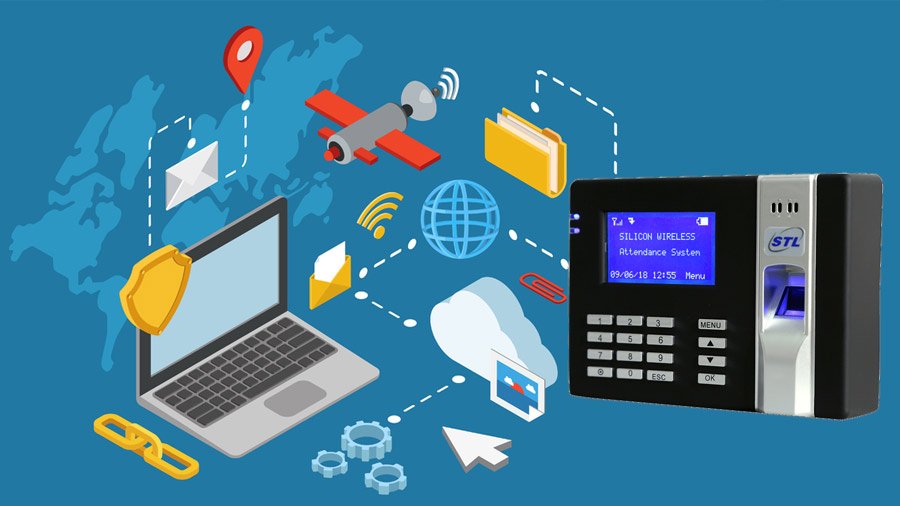
In today’s fast-paced, technology-driven world, businesses and organizations are continually seeking smarter, more efficient ways to manage their operations. One of the critical areas that has undergone a significant transformation is attendance tracking. Traditional methods such as paper logs, punch cards, and even on-premise biometric devices are rapidly being replaced by more advanced solutions — particularly the cloud-based attendance system.
What Is a Cloud-Based Attendance System?
A cloud-based attendance system is a digital platform that records, stores, and manages employee or student attendance data over the internet. Unlike traditional attendance software that runs locally on a single server or computer, a cloud attendance system allows users to access and manage data from anywhere, anytime, using any internet-enabled device.
The shift toward cloud attendance software is part of a larger trend in digital transformation. As remote and hybrid work models become more prevalent, organizations require flexible and scalable tools that support real-time access, centralized management, and integration with other systems.
Key Benefits of Cloud Attendance Systems
Accessibility and Flexibility
Whether your team is working remotely, across multiple locations, or in the field, attendance can be marked and monitored from any location. This flexibility eliminates the need for physical presence or centralized infrastructure, making attendance management seamless and adaptable to modern work environments.
Real-Time Data and Analytics
Managers and HR personnel can access accurate attendance records instantly, helping them make informed decisions quickly. Real-time data reduces the chances of errors or manipulation and ensures transparency across the organization.
Furthermore, built-in analytics allow organizations to identify trends such as absenteeism, punctuality issues, and productivity patterns. These insights can inform policies and improve workforce planning.
Cost Efficiency
Implementing a cloud attendance system often requires lower upfront investment compared to traditional systems. There’s no need for expensive hardware installations or dedicated IT maintenance. Most cloud platforms operate on a subscription-based model, allowing organizations to scale up or down according to their needs.
Additionally, cloud systems reduce administrative burden by automating routine tasks like calculating work hours, tracking overtime, and generating reports.
Security and Backup
Cloud providers invest heavily in cybersecurity. A well-designed cloud-based attendance system comes with built-in security features such as encryption, role-based access controls, and multi-factor authentication. Data is regularly backed up, ensuring protection against data loss due to system crashes or physical damage.
Moreover, cloud storage eliminates the risk of losing paper records or relying on vulnerable local servers.
Integration with Other Tools
Another notable feature of modern cloud attendance software is its ability to integrate with payroll systems, HR management tools, and project management platforms. Seamless integration reduces manual entry, saves time, and ensures consistency across departments.
Use Cases Across Industries
The application of cloud attendance systems goes beyond just corporate environments. Healthcare facilities monitor shift patterns for nurses and doctors. Construction companies manage attendance at multiple project sites, and retail stores track part-time staff across various locations.
Regardless of the industry, any organization that values efficient time management and accurate record-keeping can benefit from adopting a cloud-based solution.
Challenges and Considerations
While the benefits are substantial, it’s important to consider a few challenges when adopting a cloud attendance system:
Internet Dependence: Since these systems operate online, a stable internet connection is essential. Organizations in remote or low-connectivity areas might face difficulties.
User Training: Transitioning from a manual or legacy system to cloud software may require training for employees to adapt effectively.
Data Privacy: With personal information being stored digitally, ensuring compliance with data protection regulations is crucial. Choosing a provider that adheres to GDPR or local data privacy laws is essential.
The Future of Attendance Management
As artificial intelligence and machine learning are integrated into these systems, we can expect features like predictive attendance patterns, facial recognition, and geolocation tracking to become more commonplace.
With sustainability also becoming a key concern, going digital reduces the need for paper-based systems, contributing to eco-friendly business practices. Moreover, mobile compatibility is playing a crucial role in the expansion of cloud attendance systems. With smartphone apps and browser-based access, employees can easily clock in and out, request leaves, or view their attendance history on the go. This level of convenience not only enhances user experience but also ensures higher compliance and accountability across the workforce.
Conclusion
A cloud-based attendance system represents a significant step forward in managing time and attendance efficiently, accurately, and securely. It caters to the evolving needs of a dynamic workforce and offers organizations the flexibility and insights necessary to thrive in a competitive landscape.
Whether you’re a small business, a growing startup, or a large enterprise, transitioning to HRMS software which can simplify your operations, improve productivity, and give you a competitive edge. As the digital workplace continues to evolve, now is the time to embrace the power and potential of cloud-based solutions.
























Leave a Reply