

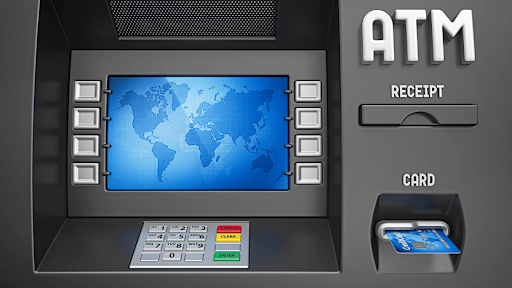
For businesses, financial institutions, and property operators that need ATM access on their premises but do not want to manage the operational complexity of owning and running the equipment themselves, atm outsourcing offers a structured alternative. Under an outsourcing arrangement, a third-party provider supplies, installs, maintains, and manages the ATM — while the location provides the space, power, and connectivity. Understanding exactly what atm outsourcing covers, how costs and revenues are structured, and when this model is more appropriate than direct ownership helps operators make an informed decision about the right approach for their location.
What ATM Outsourcing Covers
A full atm outsourcing arrangement typically covers equipment supply and installation, cash management, first and second-level technical support, processing network enrollment and compliance management, regulatory monitoring, and software updates. The operator — the location providing the space — is relieved of virtually all ATM management responsibilities and can focus on core business operations rather than machine oversight.
Some outsource atm arrangements are partial rather than full-service — the provider manages technical support and compliance while the location handles cash management, for example. The extent of the services covered should be defined precisely in the service agreement before any arrangement begins. The most common source of dispute in atm outsourcing relationships is ambiguity about which party is responsible for specific tasks, particularly cash replenishment, first-level troubleshooting, and communication with the processing network.
Revenue Structures in ATM Outsourcing
The revenue arrangement in an outsource atm program directly affects whether the model makes financial sense for a given location. In a basic placement model, the provider retains all surcharge revenue and the location receives no direct payment — the benefit to the location is customer convenience and the resulting retention. In more sophisticated atm outsourcing arrangements, the location receives a revenue share of the surcharge income generated by transactions at their machine.
Revenue share percentages vary significantly by provider and by location traffic volume. High-volume locations have more negotiating leverage to secure a meaningful revenue share. Low-volume locations may find that the revenue share does not materially offset the inconvenience costs of hosting the equipment. Comparing the revenue share offered under atm outsourcing to the projected economics of direct ownership is the appropriate framework for evaluating which model delivers better long-term value.
Compliance Under Outsourcing Arrangements
One of the most valuable aspects of a well-structured atm outsourcing arrangement is the transfer of compliance responsibility to the provider. ATM compliance obligations — EMV chip card standards, PCI PED device requirements, ADA accessibility requirements, and processing network rule updates — change over time and impose ongoing monitoring and hardware upgrade costs on operators who manage their own machines.
Under a full outsource atm arrangement, the provider absorbs these compliance costs and manages the updates on behalf of the location. For operators without in-house technical expertise or the time to monitor regulatory developments, this represents a significant reduction in operational complexity and risk. The compliance warranty in the service agreement — confirming that the provider is responsible for maintaining compliance with all applicable standards throughout the agreement term — is one of the most important clauses to verify before signing.
When ATM Outsourcing Makes Sense
Atm outsourcing is the appropriate model for operators whose primary business is not ATM management and for whom the operational demands of direct ownership would represent a material distraction or risk. Financial institutions with large ATM networks, hotels and hospitality venues, shopping centers and property management companies, and healthcare facilities fall into this category — locations where ATM access is an important amenity but ATM management is not a core competency.
For a buy atm machine analysis, the comparison point is clear: direct ownership delivers higher revenue retention and full operational control but requires the operator to manage compliance, maintenance, and cash. An outsource atm arrangement trades some revenue for significantly reduced operational responsibility. The right choice depends on the operator’s volume, resources, and risk tolerance.
Evaluating ATM Outsourcing Providers
When evaluating atm outsourcing providers, the key assessment criteria are: the scope of services clearly defined in the service agreement, the provider’s compliance track record and update cycle, the response time commitments for technical support and repairs, the revenue share structure for the specific location, and the contract term and exit provisions.
Providers with established processing network relationships, certified technician staff, and a documented compliance management program are lower-risk outsource atm partners than smaller operators without these infrastructure elements. References from existing location partners at comparable volume levels provide the most useful due diligence data.
Conclusion
Atm outsourcing is a well-established model that delivers the benefits of on-site ATM access without the operational demands of direct ownership. For operators whose location warrants ATM access but whose resources and attention are more appropriately directed at core business activities, a structured outsource atm arrangement with a reputable provider resolves the access need efficiently. The decision between outsourcing and buy atm machine ownership should be made based on an honest analysis of projected transaction volume, available operational resources, and long-term revenue expectations.















Leave a Reply